



Summary
If you brush faithfully twice a day but still see yellow teeth in the mirror, you’re not alone and you’re not doing anything wrong. This article reveals the biological reasons brushing can’t prevent certain types of discoloration, plus practical solutions available from dentists near you.
Key Points
- Aging naturally thins enamel, exposing yellow dentin
- Black tea causes the most pronounced tooth discoloration
- Brushing cannot reverse intrinsic yellowing inside teeth
- Simple prevention strategies reduce new stain accumulation significantly
- Professional whitening typically ranges from $300 to $1,000 per session
You’ve been diligent about your oral hygiene routine. You brush twice daily, floss regularly and avoid sugary snacks. Yet when you smile in photos, your teeth still look noticeably yellow. Before you blame yourself or double down on whitening toothpaste, understand this: the yellowing you see likely has nothing to do with how well you brush.
The truth is that tooth discoloration happens through biological processes your toothbrush simply cannot reach. Let’s explore why your faithful brushing routine isn’t enough to keep your teeth white and what you can actually do about it.
The Biology Behind Yellow Teeth: It’s Not About Hygiene
Your teeth are built in layers. The outer layer, enamel, is naturally white or slightly off-white. Underneath sits dentin, a dense tissue that ranges from light yellow to darker brown in color.
Understanding Enamel Thinning
As you age, your enamel gradually becomes thinner and more translucent, allowing the naturally yellow dentin underneath to become increasingly visible. This is why teeth often appear more yellow over time despite regular brushing.
The American Dental Association explains: “With increasing age, enamel becomes more translucent and thinner, which allows the yellow dentin underneath to become more visible.” This isn’t a hygiene failure. It’s basic biology, happening to everyone regardless of brushing habits.
The Numbers Tell the Real Story
Research shows how common age-related tooth wear actually is. At age 20, only 3% of people show significant tooth wear. By age 70, that number jumps to 17%, a 5.7-fold increase.
Even more striking: 63% of older adults experience erosive tooth wear that exposes the yellow dentin layer. If your teeth have gradually yellowed over the years, you’re experiencing what dental researchers consider a normal aging pattern.
Why Your Toothbrush Can’t Fix the Problem
The ADA states that tooth discoloration includes intrinsic staining that occurs “inside the tooth, within the enamel or the underlying dentin.” Your toothbrush bristles physically cannot penetrate enamel to reach these internal structures.
Think of it this way: brushing cleans surface stains much like washing your car removes dirt from the paint. But brushing cannot reach the yellowing that happens inside your teeth as enamel naturally thins with age, revealing the yellow dentin underneath. Unlike paint, enamel cannot be restored once it’s worn away. The American Dental Association explains that brushing removes fresh surface deposits before they embed, but it cannot penetrate enamel to remove embedded stains or change the yellow color of dentin beneath thinning enamel.
What Brushing Does and Doesn’t Accomplish
First, brushing successfully prevents cavities, removes fresh food particles before they embed and stain and helps maintain gum health. These benefits protect your overall oral health and create a foundation for a healthy smile.
However, the ADA identifies important limitations. Brushing cannot penetrate enamel to remove stains that have become embedded. Additionally, research confirms00189-7/fulltext) that “tooth enamel cannot regenerate” once worn away. It definitely cannot change the yellow color of the dentin layer beneath.
Most importantly, brushing cannot prevent or reverse the natural thinning process that happens as you age. Research shows enamel gradually thins with age, revealing the naturally yellow dentin layer underneath, a completely unavoidable biological process regardless of how well you brush.
The Two Types of Tooth Discoloration You Need to Understand
Dental professionals distinguish between two different types of tooth yellowing and understanding which one affects you determines what solutions will actually work.
Extrinsic Staining: Surface Discoloration
Extrinsic stains form on your tooth’s outer surface from foods, beverages and tobacco. Research published30811-5/fulltext) in the Journal of the American Dental Association notes: “Extrinsic tooth stains are most commonly caused by the colored components of various food and beverages, including coffee, tea and red wine and by the use of tobacco products.”
These surface stains can partially be managed through professional cleanings and whitening treatments. Your daily brushing helps prevent new stains from accumulating, but cannot remove stains that have already embedded into microscopic enamel pits.
Intrinsic Discoloration: Internal Yellowing
Intrinsic discoloration develops inside your tooth structure. This includes the natural yellow dentin showing through thinning enamel, age-related changes to dentin color and genetic variations in tooth shade, all factors that brushing cannot prevent or reverse.
No amount of brushing, scrubbing, or surface whitening can address intrinsic discoloration because the color change exists beneath the enamel layer.
The Biggest Staining Culprits in Your Daily Routine
If you’re experiencing surface staining on top of natural yellowing, certain habits accelerate the problem.
A peer-reviewed study identified black tea as the beverage causing the most pronounced tooth discoloration, due to its high theaflavin content. Coffee follows closely behind, with daily consumption creating cumulative staining effects over months and years.
Red wine presents a double threat. Its acidity weakens your enamel surface while pigments simultaneously stain those acid-roughened areas. Dark sodas and acidic drinks create the same problematic combination.
How Staining Actually Happens
NIH-published research shows that beverages with both high pigmentation and low pH cause the most severe staining. First, acids roughen your enamel surface, creating microscopic pits that trap pigments. Next, chromogens, which are color compounds in foods and drinks, settle into these tiny spaces. Then tannins act like adhesive, helping colors stick to your teeth and resist removal. Finally, with repeated exposure, these pigments penetrate deep, embedding beyond where brushing can reach.
Your morning coffee doesn’t just sit on your teeth. The combination of acid and color allows pigments to embed into the microscopic pits created in your enamel structure, explaining why brushing afterward doesn’t eliminate the yellowing effect.
Genetics and Natural Aging: Why Yellowing Happens Despite Good Brushing
Professional dental color systems recognize 16 to 26 distinct natural tooth shades as healthy variations, according to VITA shade standards. Not everyone’s healthy teeth are bright white and that’s completely normal.
Your genetic blueprint determines how thick your enamel is, the natural color of your dentin and how resistant your enamel is to wear. If your family members have similar tooth color, you’re seeing normal genetic inheritance, not a personal hygiene problem.
Research shows a clear age-related pattern. Under 45 years old, most people maintain lighter tooth shades. After 45, darker tooth shades become the statistical norm as internal dentin structures thicken and change color.
This progression of tooth yellowing happens because the natural aging process, where enamel gradually thins and reveals the yellow dentin underneath, cannot be prevented through brushing, whether you brush twice a day or five times a day. The American Dental Association notes that intrinsic yellowing occurs “inside the tooth, within the enamel or the underlying dentin,” which toothbrush bristles physically cannot reach. Brushing prevents cavities and can help manage surface staining, but it cannot stop the biological process of enamel thinning that exposes the naturally yellow dentin layer beneath.
Practical Prevention Strategies That Actually Work
While you cannot prevent age-related enamel thinning, you can significantly reduce surface staining through evidence-based strategies that cost almost nothing.
Rinse with Water Immediately After Staining Exposure
One of the most effective and free, prevention strategies is rinsing your teeth with water immediately after consuming staining beverages or foods. The ADA states: “rinsing with water after meals and snacks can help wash away food particles and acids.”
How to do it: Swish water vigorously in your mouth for 30 seconds after coffee, tea, red wine, or other staining foods. This removes chromogens, which are color compounds and acids before they have time to embed into your enamel. It’s even more effective when done before your 30-minute wait to brush.
Do this before the 30-60 minute waiting period to brush, which brings us to the next strategy.
Wait 30-60 Minutes After Acidic Foods Before Brushing
The ADA Council recommends waiting 30 to 60 minutes after consuming acidic foods or drinks before brushing. Acids temporarily soften your enamel. Brushing during this vulnerable window can actually damage the enamel surface, accelerating yellowing over time.
Rinse with water immediately after staining beverage exposure, then wait 30-60 minutes before brushing. This timing protects your enamel, which is temporarily softened by acids and more vulnerable to damage from brushing.
Use Straws for Pigmented Beverages
Drinking staining beverages through a straw is one of the most effective zero-cost prevention strategies. ADA patient education explains that drinking through a straw “helps the liquid bypass your front teeth,” reducing chromogen contact with your enamel.
Implementation tip: Position the straw toward the back of your mouth to maximize effectiveness and minimize direct contact between pigmented beverages and your front teeth.
Using a reusable straw for staining beverages can help reduce tooth discoloration from daily coffee or tea consumption.
Schedule Professional Cleanings Every Six Months
The ADA recommends professional cleanings twice yearly to remove calcified deposits and surface stains that home brushing cannot eliminate. Dental hygienists use specialized tools to remove tartar buildup that traps stains against your teeth.
Professional cleanings are recommended by the ADA twice yearly to remove calcified deposits and surface stains that home brushing cannot eliminate. Depending on your dental insurance plan, these cleanings may be partially or fully covered, check with your specific provider for coverage details.
What to Know About Whitening Treatments
If prevention strategies aren’t enough and you want to actively lighten your tooth color, understanding your options helps you make cost-effective decisions.
Professional In-Office Whitening
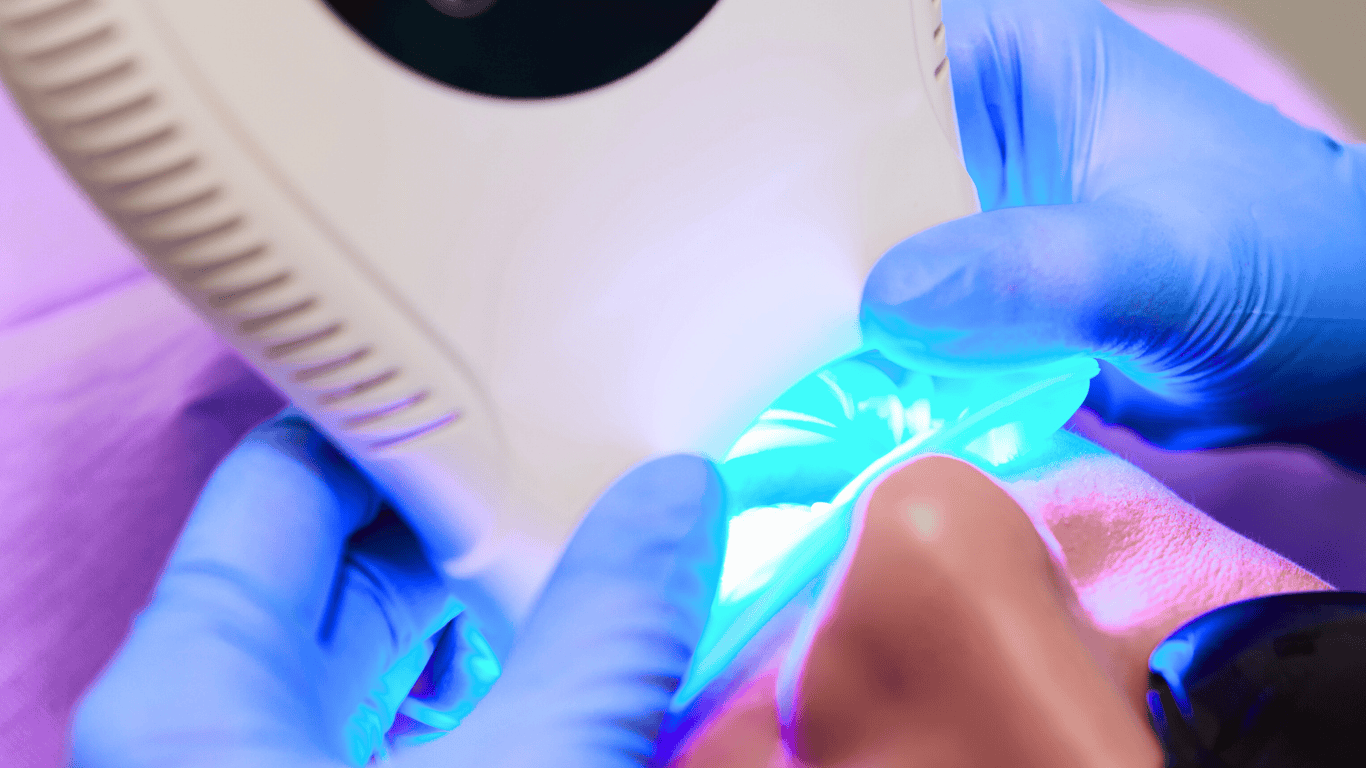
Professional in-office whitening typically ranges from $300 to $1,000 per session in 2024. These treatments use higher-concentration bleaching agents than over-the-counter products, delivering faster results in one to three office visits.
Professional treatments work best for extrinsic staining and can lighten natural tooth color several shades through bleaching. However, because your genetics determine your natural tooth baseline color, including your enamel thickness and the natural color of your dentin, professional whitening cannot permanently change these genetic characteristics. Results will fade over time as new staining occurs from diet and lifestyle factors.
Over-the-Counter Whitening Products
A comprehensive NIH review found that “The maximum effect achieved by all OTC bleaching agents was the removal of stains, whereas hydrogen peroxide was capable of further whitening the teeth.”
Translation: most drugstore whitening products can only remove surface stains. Only hydrogen peroxide-based products like whitening strips can genuinely lighten your natural tooth color beyond stain removal.
Look for the ADA Seal of Acceptance. As of 2025 guidelines, products with this seal have undergone independent safety and effectiveness evaluation. The ADA recognizes 10% carbamide peroxide as safe for home use.
Critical Whitening Safety Note
Teeth are particularly vulnerable to staining for up to 48 hours after any whitening treatment, according to ADA guidelines. During this window, enamel pores remain open. Strictly avoid all staining foods and beverages, coffee, tea, red wine, dark berries, during these critical 48 hours to maximize your results and investment.
What Not to Try at Home
The ADA’s official whitening guidance warns that using baking soda as a whitening agent, activated charcoal products, or lemon juice can damage your teeth. These abrasive approaches erode enamel rather than safely removing stains, ultimately increasing long-term yellowing by exposing more of the naturally yellow dentin underneath.
Ironically, popular DIY solutions like baking soda, activated charcoal and lemon juice can increase long-term yellowing by eroding your white enamel layer and exposing more yellow dentin underneath. The American Dental Association explicitly warns against these abrasive home remedies. Save your enamel and skip these unproven approaches.
Taking Control of Your Smile Without the Guilt
Understanding why your teeth look yellow despite faithful brushing should bring relief, not frustration. The yellowing you see likely reflects normal aging biology, genetic inheritance, or surface staining from everyday foods, none of which indicate poor hygiene.
Your twice-daily brushing routine serves important purposes: preventing cavities through fluoride strengthening, maintaining gum health and removing fresh surface deposits before they embed into enamel. However, brushing cannot penetrate embedded stains, restore lost enamel, or change the natural yellow color of dentin showing through thinning enamel, the primary causes of yellowing despite regular brushing. These structural limitations mean that while brushing prevents dental disease, it cannot reverse age-related tooth discoloration or stop the intrinsic yellowing that occurs as you age.
The evidence-based prevention strategies outlined here, water rinsing, strategic brushing timing, using straws and regular professional cleanings, represent a highly affordable approach to tooth color management. The zero-cost strategies like water rinsing, timing and straws cost virtually nothing annually, while professional cleanings every 6 months have minimal cost, often covered by dental insurance. Research shows consistent implementation of these strategies can reduce new stain accumulation by 40 to 60%, saving you significant money on repeated whitening treatments while protecting your enamel.
If you decide whitening treatments make sense for your situation and budget, consult with a trusted dentist in your area who can assess whether your yellowing is primarily extrinsic staining, which is surface-level discoloration from foods and beverages, or intrinsic discoloration, which is internal yellowing from aging or genetics. The American Dental Association notes this evaluation helps you choose the most effective and cost-efficient solution. Your dentist can determine whether over-the-counter products, professional whitening, or preventive strategies alone would be most appropriate for your specific situation.
Many dental practices now offer flexible payment options that break larger treatments into manageable monthly amounts, removing the barrier of upfront costs while you work toward your smile goals. This accessibility means you can prioritize your oral health without financial stress, making quality dental care achievable on your timeline.