



Summary
Charcoal toothpaste lacks scientific evidence supporting its whitening claims and may damage tooth enamel through excessive abrasiveness while providing no fluoride protection against cavities. While it can remove some surface stains, dental professionals don’t recommend it for daily use due to potential risks that outweigh uncertain benefits. Most people achieve better results with safer alternatives like fluoride whitening toothpastes or professional treatments.
Key Points
- Limited scientific evidence supports claims
- Abrasive nature may damage enamel
- Most lack fluoride cavity protection
- Costs 2-3 times regular toothpaste
- Professional alternatives safer, more effective
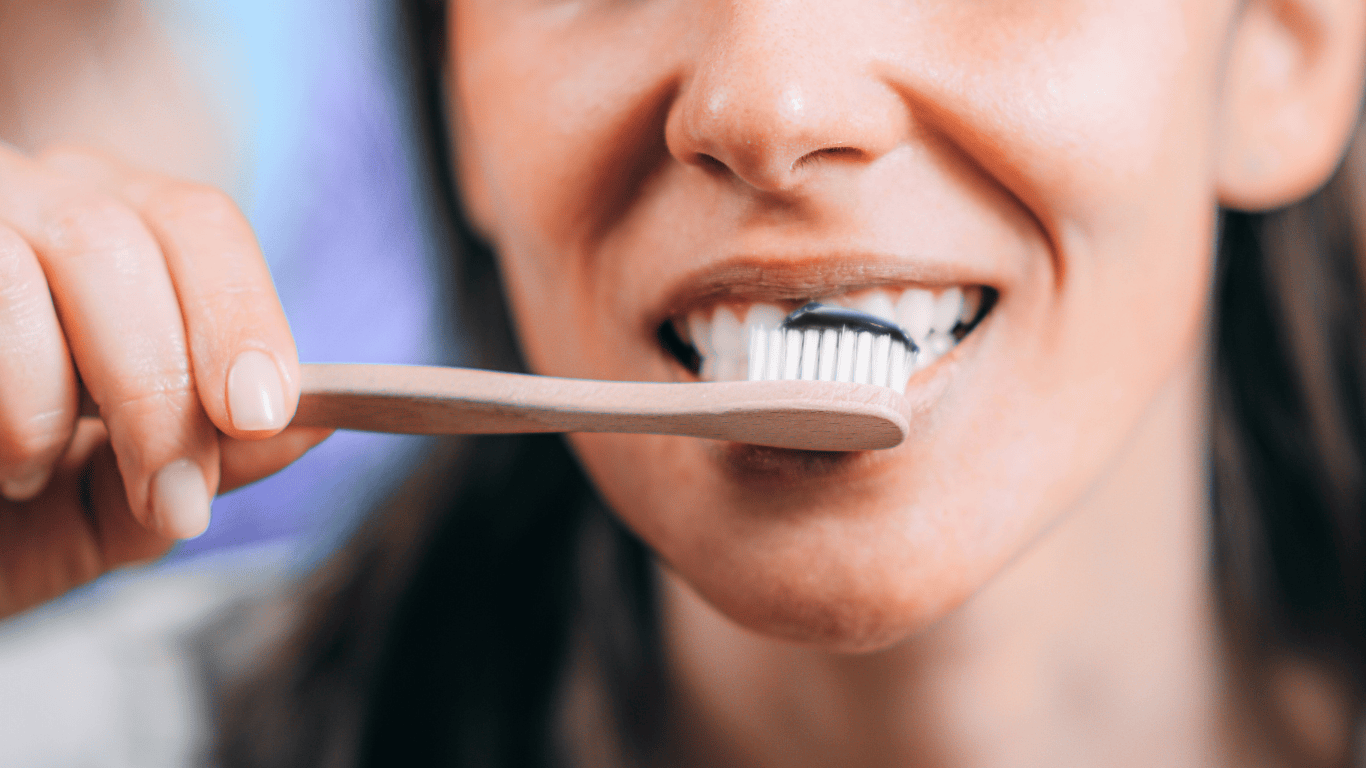
With social media influencers and natural health enthusiasts promoting charcoal toothpaste as the latest breakthrough in oral care, you might wonder if this trendy black paste is worth the hype, and the higher price tag.
While charcoal toothpaste can remove some surface stains and appeals to those seeking natural alternatives, understanding both the potential benefits and significant risks helps you make an informed decision about whether this popular product belongs in your oral care routine.
What Is Charcoal Toothpaste?
Charcoal toothpaste contains activated charcoal, a form of carbon that’s been processed to create tiny pores that can bind to particles and toxins. This is the same material used in emergency medicine to treat certain types of poisoning and in water filtration systems.
How Activated Charcoal Works
The theory behind charcoal toothpaste is that activated charcoal’s porous structure can bind to stain-causing particles and bacteria in your mouth, lifting them away from tooth surfaces. Activated charcoal differs from regular charcoal because it’s been treated with oxygen to create millions of tiny pores, dramatically increasing its surface area and binding capacity.
The absorption process involves the charcoal particles attracting and holding onto molecules that cause stains, such as those from coffee, wine, or tobacco. Proponents claim this binding action can whiten teeth naturally without harsh chemicals found in traditional whitening products.
Manufacturing variations among different brands mean that charcoal toothpastes can vary significantly in their charcoal concentration, particle size, and additional ingredients. Some products combine charcoal with traditional toothpaste ingredients, while others rely primarily on charcoal and natural abrasives.
Common Ingredients Beyond Charcoal
Most charcoal toothpastes contain additional ingredients that affect their safety and effectiveness. Binding agents help hold the paste together and may include natural gums or synthetic polymers. Flavoring agents are essential because activated charcoal itself is tasteless and can create an unpleasant texture.
Abrasive agents beyond charcoal might include baking soda, silica, or calcium carbonate, which can increase the product’s stain-removal ability but also add to its potential for enamel damage. Understanding these additional ingredients helps you assess the overall abrasiveness and safety of specific products.
Notable absences in many charcoal toothpastes include fluoride, which is crucial for cavity prevention, and antimicrobial agents that help control bacteria and gum disease. These omissions represent significant drawbacks for daily oral health maintenance.
Potential Benefits of Charcoal Toothpaste
Despite controversy surrounding charcoal toothpaste, some potential benefits explain its popularity among consumers seeking natural oral care alternatives.
Surface Stain Removal
Charcoal toothpaste can effectively remove certain types of surface stains, particularly those caused by coffee, tea, wine, and tobacco. Mechanical action from the charcoal particles combined with normal brushing can physically scrub away stain-causing deposits that accumulate on tooth surfaces over time.
Short-term whitening effects may be noticeable after several uses, especially for people with significant surface staining from dietary or lifestyle factors. However, this whitening is typically limited to removing existing stains rather than making teeth whiter than their natural color.
Immediate visual impact occurs because charcoal can remove the film of bacteria and food particles that naturally accumulates on teeth throughout the day, creating a cleaner appearance that some people interpret as whitening.
Natural and Chemical-Free Appeal
For consumers concerned about artificial ingredients, charcoal toothpaste offers an alternative to conventional products containing synthetic detergents, artificial colors, and chemical whitening agents. Ingredient transparency in many charcoal products appeals to people who prefer to understand what they’re putting in their mouths.
Minimal processing compared to conventional toothpastes attracts those following natural lifestyle approaches. Many charcoal toothpastes emphasize simple, recognizable ingredients that align with clean living philosophies.
Environmental considerations also factor into the appeal, as some consumers view charcoal as a more sustainable option than synthetic whitening chemicals, though the environmental impact varies significantly depending on sourcing and manufacturing processes.
Significant Concerns and Risks
While charcoal toothpaste may offer some benefits, dental professionals have raised serious concerns about its safety and long-term effects on oral health.
Enamel Damage from Abrasiveness
The primary concern with charcoal toothpaste is its potential to damage tooth enamel through excessive abrasion. Enamel erosion is irreversible, and once damaged, enamel cannot regenerate naturally. The abrasive particles in charcoal can gradually wear away this protective layer, leading to increased sensitivity and higher risk of decay.
Measuring abrasiveness using the Relative Dentin Abrasivity (RDA) scale shows that many charcoal toothpastes score higher than the recommended safe level of 250. Some products test as high as 400-500 RDA, which is considered potentially harmful for daily use.
Long-term consequences of enamel damage include increased tooth sensitivity, higher cavity risk, and a yellow appearance as the underlying dentin becomes more visible through thinned enamel. Ironically, this can make teeth appear more yellow than before using charcoal toothpaste.
Individual risk factors vary significantly. People with naturally thin enamel, existing enamel erosion, or sensitive teeth face higher risks from abrasive toothpastes. Age also plays a role, as enamel naturally thins over time, making older adults more susceptible to abrasive damage.
Lack of Fluoride Protection
Most charcoal toothpastes don’t contain fluoride, which decades of research have proven essential for preventing tooth decay. Cavity prevention relies heavily on fluoride’s ability to remineralize tooth enamel and create an environment hostile to decay-causing bacteria.
Switching risks arise when people replace fluoride toothpaste with charcoal alternatives, potentially increasing their cavity risk. This is particularly concerning for children, teenagers, and adults with high decay risk due to diet, medical conditions, or poor oral hygiene.
Professional recommendations from dental organizations worldwide consistently emphasize fluoride’s importance in daily oral care. The absence of fluoride in most charcoal products means users miss out on this proven protective benefit.
Scientific Evidence and Professional Opinions
The popularity of charcoal toothpaste has outpaced scientific research, leaving consumers with limited evidence to support marketing claims about its safety and effectiveness.
Limited Research on Effectiveness
Clinical studies specifically examining charcoal toothpaste’s whitening effectiveness are surprisingly scarce given the product’s popularity. Most existing research involves small sample sizes or short study periods that don’t adequately assess long-term effects or compare results to established whitening methods.
Laboratory studies have shown that activated charcoal can bind to certain compounds that cause stains, but these controlled conditions don’t necessarily translate to real-world effectiveness in the complex environment of the human mouth.
Comparison studies between charcoal toothpaste and conventional whitening products are limited, making it difficult to determine whether charcoal offers any advantage over proven alternatives that also include protective ingredients like fluoride.
Professional Dental Organization Positions
The American Dental Association has not endorsed any charcoal toothpaste products and has expressed concerns about their safety and effectiveness. The ADA’s position emphasizes the lack of evidence supporting whitening claims and the potential risks from abrasive damage and fluoride deficiency.
International dental organizations have echoed similar concerns, with many recommending caution when considering charcoal toothpaste, especially for daily use. The consensus among dental professionals favors proven methods for maintaining oral health and achieving whitening goals.
Individual dentist experiences vary, with some reporting enamel damage in patients who use charcoal toothpaste regularly, while others see minimal impact from occasional use. This variability highlights the importance of individual consultation with your dental provider.
Cost Comparison and Value Analysis
Understanding the financial implications of choosing charcoal toothpaste helps put its benefits and risks in economic perspective.
Charcoal toothpaste typically costs $8-25 per tube for 90-120 uses, resulting in $0.07-0.28 per use while offering whitening claims and natural ingredients but no fluoride protection. Regular fluoride toothpaste costs $3-8 per tube for the same number of uses at $0.03-0.09 per use, providing cavity protection, proven benefits, and ADA approval. Whitening toothpaste falls in between at $4-12 per tube and $0.04-0.13 per use, offering gentle whitening with fluoride protection and gradual results. Professional whitening treatments cost $300-800 for a single treatment but provide dramatic results under professional supervision with lasting effects.
Long-term Cost Considerations
Potential dental repair costs from enamel damage could far exceed any savings from avoiding professional whitening treatments. Repairing enamel damage through bonding, veneers, or crowns can cost hundreds to thousands of dollars per tooth.
Cavity treatment expenses may increase if switching from fluoride toothpaste to charcoal alternatives increases decay risk. A single filling costs $150-300, while more extensive decay requiring crowns or root canals can cost $800-2,000 per tooth.
Alternative whitening investments might provide better value than expensive charcoal toothpaste with uncertain benefits. Professional treatments offer predictable results under dental supervision, while at-home whitening kits provide safer options than potentially abrasive charcoal products.
Who Should Consider Charcoal Toothpaste?
While charcoal toothpaste isn’t appropriate for everyone, certain individuals might benefit from careful, limited use under professional guidance.
Potential Candidates for Occasional Use
Adults with significant surface staining from coffee, tea, wine, or tobacco might see some benefit from occasional charcoal toothpaste use, particularly if they’re looking for natural alternatives to chemical whitening products. However, this should supplement, not replace, regular fluoride toothpaste use.
People seeking natural oral care options who understand the limitations and risks might choose to use charcoal toothpaste occasionally while maintaining fluoride protection through other means, such as fluoride rinses or alternating with fluoride toothpaste.
Those with specific sensitivities to ingredients in conventional toothpastes might find charcoal alternatives more tolerable, though they should work with their dentist to ensure adequate cavity protection through other fluoride sources.
Who Should Avoid Charcoal Toothpaste
Children and teenagers should avoid charcoal toothpaste due to their developing teeth’s need for fluoride protection and their enamel’s vulnerability to abrasive damage. Young people also face higher cavity risk, making fluoride protection particularly important.
People with existing enamel problems including erosion, sensitivity, or thin enamel should avoid abrasive products like charcoal toothpaste. These individuals need gentle, protective oral care products rather than potentially damaging alternatives.
High cavity risk individuals including those with dry mouth, frequent snacking habits, medical conditions affecting oral health, or poor oral hygiene should prioritize fluoride protection over whitening concerns.
Safer Alternatives for Teeth Whitening
For those seeking whiter teeth, several alternatives offer better safety profiles and more predictable results than charcoal toothpaste.
Professional Options
In-office whitening provides the most dramatic and controlled results, typically lightening teeth by several shades in a single appointment. While more expensive ($300-800), professional treatment offers predictable results under dental supervision with appropriate protective measures.
Custom take-home trays from your dentist cost $200-400 and provide professional-strength whitening with the convenience of home use. These systems include protective measures and professional guidance to minimize sensitivity and ensure safe use.
Professional whitening toothpastes recommended by dental professionals offer gentle whitening with fluoride protection. These products typically cost $6-15 and provide gradual improvement without the risks associated with highly abrasive charcoal products.
Safe At-Home Methods
ADA-approved whitening strips cost $20-50 and have undergone safety testing to ensure they won’t damage enamel when used as directed. While results are more modest than professional treatment, they offer a safe, affordable option for gradual whitening.
Whitening toothpastes with fluoride provide the best of both worlds, gentle stain removal with cavity protection. These products cost $4-12 and can be used daily without the risks associated with charcoal alternatives.
Good oral hygiene practices remain the foundation of a bright smile. Regular brushing, flossing, and professional cleanings remove stains and prevent new ones from forming, often providing significant improvement without additional products.
Making an Informed Decision
Questions to Ask Your Dentist
Before trying charcoal toothpaste, discuss your goals and concerns with your dental provider. Assess your current oral health status including enamel condition, cavity risk, and any existing dental work that might be affected by abrasive products.
Discuss alternative whitening options that might better meet your needs while protecting your oral health. Your dentist can recommend safer products or professional treatments based on your specific situation and goals.
Establish monitoring protocols if you decide to try charcoal toothpaste occasionally. Regular dental visits can help detect any early signs of enamel damage or other problems before they become serious.
Safe Usage Guidelines
If you choose to try charcoal toothpaste despite the risks, limit use to 2-3 times per week maximum and continue using fluoride toothpaste on other days to maintain cavity protection. Never use charcoal toothpaste as your only oral care product.
Use gentle pressure when brushing with charcoal toothpaste to minimize abrasive damage. Let the product do the work rather than applying extra pressure that could accelerate enamel wear.
Monitor for sensitivity or other changes in your teeth or gums. Discontinue use immediately if you experience increased sensitivity, gum irritation, or any other concerning symptoms.
Frequently Asked Questions
Is charcoal toothpaste safe for daily use? Most dental professionals don’t recommend daily use due to abrasiveness concerns and lack of fluoride. If you choose to use it, limit frequency and maintain fluoride protection through other products.
Can charcoal toothpaste damage dental work? Yes, the abrasive nature of charcoal can potentially damage crowns, veneers, and fillings. Consult your dentist before using if you have existing dental work.
How long does it take to see whitening results? Some people notice minor changes within a few uses, but results vary significantly. Any whitening is typically limited to surface stain removal rather than true tooth lightening.
Will charcoal toothpaste make my teeth more sensitive? It may, especially with regular use. The abrasive action can wear away enamel, leading to increased sensitivity over time.
Can I use charcoal toothpaste with braces? It’s generally not recommended due to difficulty cleaning around brackets and potential staining of orthodontic components.
What’s the best way to remove charcoal residue? Rinse thoroughly with water after use, as charcoal particles can stick to gums and teeth. Some people find oil pulling with coconut oil helps remove residue.
The Bottom Line on Charcoal Toothpaste
While charcoal toothpaste has gained popularity as a natural whitening alternative, the current evidence doesn’t support its superiority over proven oral care methods. The potential risks, including enamel damage and lack of fluoride protection, may outweigh any modest whitening benefits for most people.
If you’re seeking whiter teeth, consider safer alternatives like professional whitening treatments, ADA-approved at-home products, or simply maintaining excellent oral hygiene with fluoride toothpaste. These options provide more predictable results while protecting your long-term oral health.
For those still interested in trying charcoal toothpaste, approach it cautiously with professional guidance, limit use frequency, and maintain fluoride protection through other products. Remember that protecting your oral health should always take priority over cosmetic concerns.
If you’re interested in safe, effective teeth whitening options, consider consulting with a trusted dentist who can recommend the best approach for your individual needs using Sunbit’s dental directory. Find expert providers who can help you achieve a brighter smile while protecting your oral health.