






Summary
Dental injuries are among the most common sports-related injuries, with over 5 million teeth knocked out annually in the United States, yet mouthguards can prevent up to 80% of these injuries. Custom-fitted mouthguards ($150-300) offer the best protection for high-risk sports, while over-the-counter options ($5-50) provide adequate protection for recreational activities. The cost of prevention is minimal compared to treating dental trauma, a single knocked-out tooth can cost $10,000-20,000 to replace with an implant.
Key Points
- Mouthguards prevent 80% dental injuries
- Custom guards cost $150-300, the best protection
- Over-counter options $5-50, recreational use
- Emergency response saves knocked-out teeth
- Prevention costs less than treatment
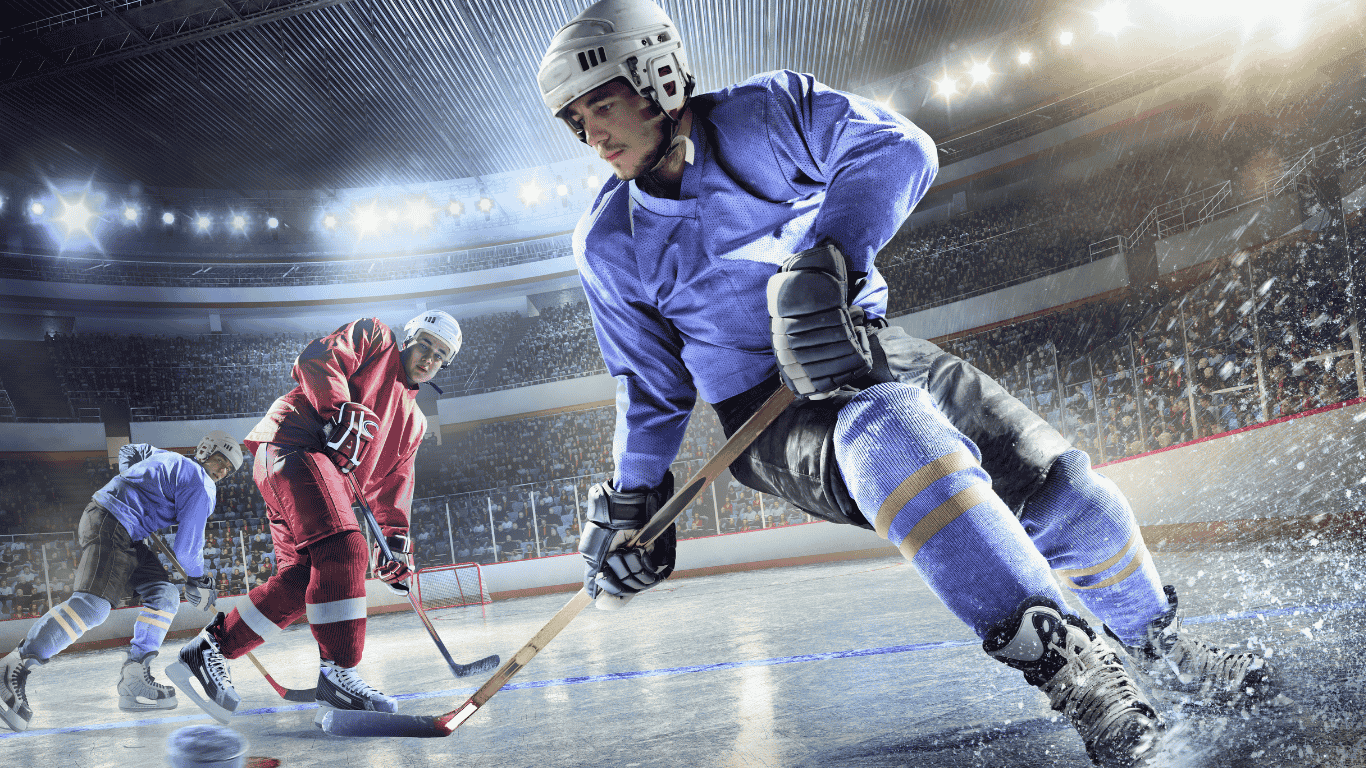
Whether you’re a weekend warrior hitting the basketball court or a parent watching your child’s soccer game, dental injuries can happen in any sport, and they’re often more serious and expensive to treat than you might expect.
Understanding how to protect your teeth during physical activity, choosing the right mouthguard, and knowing what to do in case of injury can save you thousands of dollars and preserve your smile for years to come.
Understanding Sports-Related Dental Injuries
Dental trauma during sports and physical activity is surprisingly common and can range from minor chips to complete tooth loss. Understanding the types and severity of these injuries helps you appreciate why prevention is so important.
Common Types of Dental Injuries
Tooth fractures are the most frequent sports-related dental injuries, ranging from small chips in the enamel to complete crown fractures that expose the tooth’s nerve. Minor chips might cost $100-300 to repair with bonding, while major fractures requiring crowns can cost $800-1,500 per tooth.
Tooth displacement occurs when a tooth is pushed out of its normal position but remains attached to the socket. This type of injury often requires immediate professional care and may need splinting to adjacent teeth, costing $500-2,000 depending on the severity.
Complete tooth avulsion is the most serious injury, where a tooth is completely knocked out of its socket. Quick action can sometimes save the tooth, but replacement typically requires an implant costing $3,000-5,000 for the implant alone, plus additional costs for the crown.
Soft tissue injuries to lips, cheeks, and tongue are also common and can require stitches or other medical treatment. While less expensive to treat than tooth injuries, they can be painful and affect your ability to eat and speak normally.
High-Risk Sports and Activities
Contact sports pose the highest risk for dental injuries, but even non-contact activities can result in dental trauma from falls, collisions, or equipment impact.
Highest risk activities include boxing, martial arts, ice hockey, field hockey, lacrosse, and rugby. These sports have high rates of facial contact and often require mouthguard use by league rules.
Moderate risk activities encompass basketball, baseball, softball, soccer, wrestling, and skateboarding. While less likely to cause dental injuries than full-contact sports, the combination of fast movement, equipment, and potential player contact still creates significant risk.
Lower risk but still concerning activities include cycling, gymnastics, weightlifting, and recreational activities like playground use. Even these activities can result in dental injuries from falls or equipment contact.
Mouthguard Options and Selection
Choosing the right mouthguard depends on your sport, level of play, budget, and personal preferences. Understanding the different types available helps you make an informed decision that balances protection, comfort, and cost.
Custom-fitted mouthguards cost $150-300 and provide excellent protection and comfort, making them ideal for high-risk sports and serious athletes. Boil-and-bite options range from $15-50 with good protection and comfort levels, suitable for moderate-risk activities and recreational use. Stock or ready-made guards cost $5-15 but offer only fair protection and poor comfort, best reserved for emergency use or very low-risk activities.
Custom-Fitted Mouthguards
Custom mouthguards are made from impressions of your teeth by a dental professional, providing the best possible fit, comfort, and protection. The process involves taking detailed impressions of your upper and lower teeth, then creating a mouthguard specifically designed for your mouth structure.
Advantages of custom mouthguards include superior protection due to precise fit, better retention during activity, improved breathing and speech, and greater comfort for extended wear. Many athletes find they can wear custom mouthguards for longer periods without fatigue or irritation.
Cost considerations range from $150-300 depending on your location and dentist, but many dental insurance plans cover part of the cost, especially for children. When compared to the potential cost of dental injury treatment, custom mouthguards represent excellent value for serious athletes or high-risk activities.
Over-the-Counter Options
Boil-and-bite mouthguards offer a middle ground between cost and protection. These thermoplastic guards are softened in hot water, then molded to your teeth by biting down and using your fingers to shape the material around your teeth and gums.
Proper fitting technique is crucial for effectiveness. Follow the manufacturer’s instructions carefully, ensure the water temperature is correct, and take time to mold the guard properly around all teeth. A poorly fitted boil-and-bite guard may provide little more protection than a stock guard.
When to choose over-the-counter options includes recreational sports participation, budget constraints that make custom guards impractical, or as backup protection when your primary guard is being repaired or replaced.
Proper Mouthguard Care and Maintenance
Even the best mouthguard won’t protect you if it’s damaged, poorly maintained, or doesn’t fit properly. Proper care extends the life of your mouthguard and ensures it continues to provide optimal protection.
Daily Care Routine
After each use, rinse your mouthguard thoroughly with cold water to remove saliva, debris, and bacteria. Avoid hot water, which can distort the material and affect the fit. Use a soft toothbrush with mild soap or toothpaste to gently clean all surfaces, paying attention to crevices where bacteria can accumulate.
Storage considerations are important for maintaining your mouthguard’s shape and preventing bacterial growth. Always store your mouthguard in a ventilated container that allows air circulation while protecting it from damage. Never leave it in direct sunlight, hot cars, or other high-temperature environments that can cause warping.
Regular inspection helps you identify when your mouthguard needs replacement. Look for signs of wear such as thin spots, tears, rough edges, or areas where teeth have worn through the material. Any damage that compromises the integrity of the mouthguard reduces its protective capability.
When to Replace Your Mouthguard
Most mouthguards should be replaced at least once per sports season, or every 6-12 months for year-round athletes. Growing children may need replacement more frequently as their teeth and jaw structure change.
Signs requiring immediate replacement include visible cracks or tears, areas worn thin enough to see through,a loose fit that allows excessive movement, or damage from chewing or grinding. A damaged mouthguard may provide a false sense of security while offering little actual protection.
For growing athletes, annual replacement is often necessary even if the mouthguard appears undamaged, as changes in tooth position and jaw growth can affect fit and protection. The cost of annual replacement is minimal compared to the potential cost of dental injury.
Beyond Mouthguards: Additional Protection Strategies
While mouthguards are the primary defense against dental injury during sports, other strategies can further protect your oral health and overall performance during physical activity.
Hydration and Nutrition Considerations
Proper hydration during sports is crucial not just for performance but also for oral health. Dehydration reduces saliva production, which normally helps neutralize acids and wash away bacteria. When your mouth is dry, you’re more susceptible to tooth decay and gum irritation.
Sports drink considerations require careful attention to oral health. While these beverages can help maintain electrolyte balance during extended activity, their high sugar and acid content can contribute to tooth decay, especially when consumed frequently over long periods.
Timing strategies can minimize oral health impact while maintaining performance benefits. Drink sports beverages during activity when saliva production is higher, rinse with water afterward when possible, and avoid sipping sugary drinks slowly over extended periods outside of actual exercise.
Equipment and Environmental Safety
Proper equipment maintenance extends beyond mouthguards to include checking helmets, face shields, and other protective gear regularly. Loose or damaged equipment can contribute to facial and dental injuries by failing to provide expected protection or by creating additional hazards.
Environmental awareness helps prevent many sports-related dental injuries. Be conscious of playing surface conditions, weather factors that might affect visibility or traction, and equipment placement that could create collision hazards.
Team communication in group sports can prevent many collisions and injuries. Establish clear communication protocols for calling plays, alerting teammates to hazards, and coordinating movements that might otherwise result in contact.
Emergency Response for Dental Injuries
Knowing how to respond immediately after a dental injury can mean the difference between saving a tooth and losing it permanently. Quick, appropriate action in the first few minutes after injury often determines the success of treatment.
For a knocked-out tooth, rinse gently and place it in milk or saliva while handling only by the crown, with the best outcome achieved within 30 minutes and requiring an emergency dental visit. Cracked or chipped teeth should be rinsed with warm water while saving any tooth fragments, with dental care needed within 24 hours. When a tooth is pushed into the gum, do not attempt to reposition it, but apply a cold compress and seek emergency dental care within 2-4 hours. Soft tissue injuries require controlling bleeding with pressure and cleaning with water, with immediate emergency room care needed if extensive.
Saving a Knocked-Out Tooth
Time is critical when a permanent tooth is completely knocked out. The chance of successfully reimplanting a tooth decreases significantly after 30 minutes outside the mouth, and becomes very unlikely after 2 hours.
Proper handling technique can preserve the tooth’s viability. Pick up the tooth by the crown (the white part), never by the root. If the tooth is dirty, rinse it gently with water for no more than 10 seconds, don’t scrub or use soap, and don’t let it dry out.
Storage and transport should maintain the tooth’s moisture and approximate the oral environment. The best options in order of preference are placing the tooth back in its socket if possible, storing it in the injured person’s saliva, placing it in cold milk, or using a tooth preservation kit if available. Never store a tooth in water, as this can damage the root cells.
Managing Pain and Swelling
Immediate pain management focuses on controlling discomfort while protecting the injured area. Over-the-counter pain relievers can help, but avoid aspirin if bleeding is present, as it can interfere with clotting.
Swelling control with cold compresses applied to the outside of the face can reduce pain and inflammation. Apply for 15-20 minutes at a time with breaks between applications to avoid tissue damage from excessive cold.
Protecting the injury until professional care is available involves avoiding hot or cold foods and drinks, not chewing on the affected side, and being gentle when cleaning the area to avoid additional trauma.
Prevention Strategies for Different Sports
Different sports require tailored approaches to dental protection based on their specific risk factors and rules regarding protective equipment.
Contact Sports
High-contact sports like football, hockey, and boxing typically require mouthguards by rule, but the quality and fit of protection can vary significantly. Custom-fitted mouthguards are strongly recommended for these activities due to the high risk of facial impact and the potential severity of resulting injuries.
Additional protective equipment, such as full face shields or cages, can provide extra protection in sports like hockey or lacrosse. While not specifically designed for dental protection, these devices can prevent direct impact to the face and teeth.
Training considerations include learning proper technique for contact situations, maintaining awareness of surroundings and other players, and developing skills to protect yourself during inevitable contact situations.
Non-Contact Sports with Equipment
Sports like baseball, softball, and field hockey involve hard balls or equipment that can cause serious dental injuries despite being classified as “non-contact” sports. Mouthguard use is highly recommended even when not required by rules, particularly for younger players who may have less developed protective reflexes.
Equipment positioning can reduce injury risk in these sports. Proper batting helmets with face guards, appropriate positioning when not actively involved in play, and awareness of ball location at all times help prevent unexpected impacts.
Individual and Recreational Activities
Even solo activities like cycling, skateboarding, or weightlifting can result in dental injuries from falls or equipment contact. While custom mouthguards may not be necessary for these activities, basic protection like a boil-and-bite mouthguard can provide valuable insurance against unexpected accidents.
Risk assessment for recreational activities should consider factors like skill level, environmental conditions, and potential consequences of injury. The relatively low cost of basic mouthguard protection makes it worthwhile for most activities with any potential for facial impact.
Cost-Benefit Analysis of Dental Protection
Understanding the financial implications of sports-related dental injuries versus the cost of prevention helps put protective equipment expenses in perspective.
Treatment Costs for Common Injuries
Minor tooth damage, such as small chips or cracks, typically costs $100-500 to repair with bonding or minor restoration. While not catastrophically expensive, these injuries are often completely preventable with proper protection.
Moderate injuries requiring crowns, root canals, or more extensive restoration work can cost $1,000-3,000 per tooth. These treatments also require multiple appointments and may need replacement over time, adding to long-term costs.
Severe injuries involving tooth loss and implant replacement represent the highest costs, typically ranging from $3,000-5,000 for a single implant, crown, and associated procedures. Multiple tooth loss can result in treatment costs exceeding $20,000.
Insurance Considerations
Dental insurance coverage for sports-related injuries varies significantly by plan. Many plans classify sports injuries as accidents and may have different coverage levels or deductibles compared to routine dental care.
Medical insurance overlap may provide coverage for emergency treatment of dental trauma, particularly if hospital or emergency room care is required. However, restorative dental work is typically not covered by medical insurance.
Long-term cost implications of dental injuries extend beyond immediate treatment. Restored teeth may require replacement or additional treatment over time, creating ongoing expenses that can accumulate significantly over a lifetime.
Frequently Asked Questions
Do I really need a mouthguard for non-contact sports?
While the risk is lower, dental injuries can occur in any sport involving movement, equipment, or potential falls. A basic mouthguard provides inexpensive insurance against unexpected accidents.
How often should I replace my mouthguard?
Most mouthguards should be replaced every 6-12 months or at the start of each sports season. Growing children may need more frequent replacement as their teeth change.
Can I wear braces and use a mouthguard?
Yes, but you’ll need a special mouthguard designed for orthodontic appliances. Your orthodontist can recommend appropriate options that protect both your teeth and your braces.
What should I do if my mouthguard feels uncomfortable?
A properly fitted mouthguard should be comfortable enough to wear for extended periods. If it’s uncomfortable, check the fit and consider having it adjusted or replaced.
Are expensive custom mouthguards worth the cost?
For high-risk sports or serious athletes, custom mouthguards offer superior protection and comfort that justifies the cost. For recreational activities, over-the-counter options may provide adequate protection.
Taking Action to Protect Your Smile
Protecting your teeth during sports and physical activity is one of the most cost-effective investments you can make in your long-term oral health. Whether you choose a custom-fitted mouthguard for high-risk activities or a basic over-the-counter option for recreational sports, the protection it provides far outweighs the cost.
Remember that dental injuries can happen to anyone, regardless of skill level or experience. The few minutes it takes to put in a mouthguard and the modest cost of protective equipment pale in comparison to the pain, inconvenience, and expense of treating dental trauma.
Beyond mouthguards, staying hydrated, being aware of your environment, and knowing how to respond to injuries all contribute to safer sports participation. Make dental protection a routine part of your athletic preparation, just like stretching or checking your equipment.
If you’re ready to get properly fitted for a custom mouthguard or need professional advice on protecting your teeth during sports activities, consider finding a trusted dentist experienced in sports dentistry using Sunbit’s dental directory. Find expert providers who can help you stay active while keeping your smile safe.