






Summary
This article offers 14 essential tips for maintaining a clean and hygienic dental office, covering everything from daily cleaning checklists and proper waste management to instrument sterilization and staff training. By implementing these practices, dental offices can enhance patient satisfaction, ensure compliance with health and safety standards, and reduce infection risks.
Key Points
-
- Implement daily, weekly, and monthly cleaning checklists to ensure consistency and compliance.
- Prioritize disinfection of high-touch clinical surfaces and proper management of medical waste.
- Maintain excellent indoor air quality and keep restrooms sparkling and well-stocked.
- Emphasize proper PPE use, correct instrument sterilization, and regular maintenance of dental chairs and vacuum lines.
- Consider eco-friendly cleaning options, provide continuous staff training, and meticulously document all cleaning activities for audits.
- Schedule periodic deep cleans and professional services to supplement daily routines.
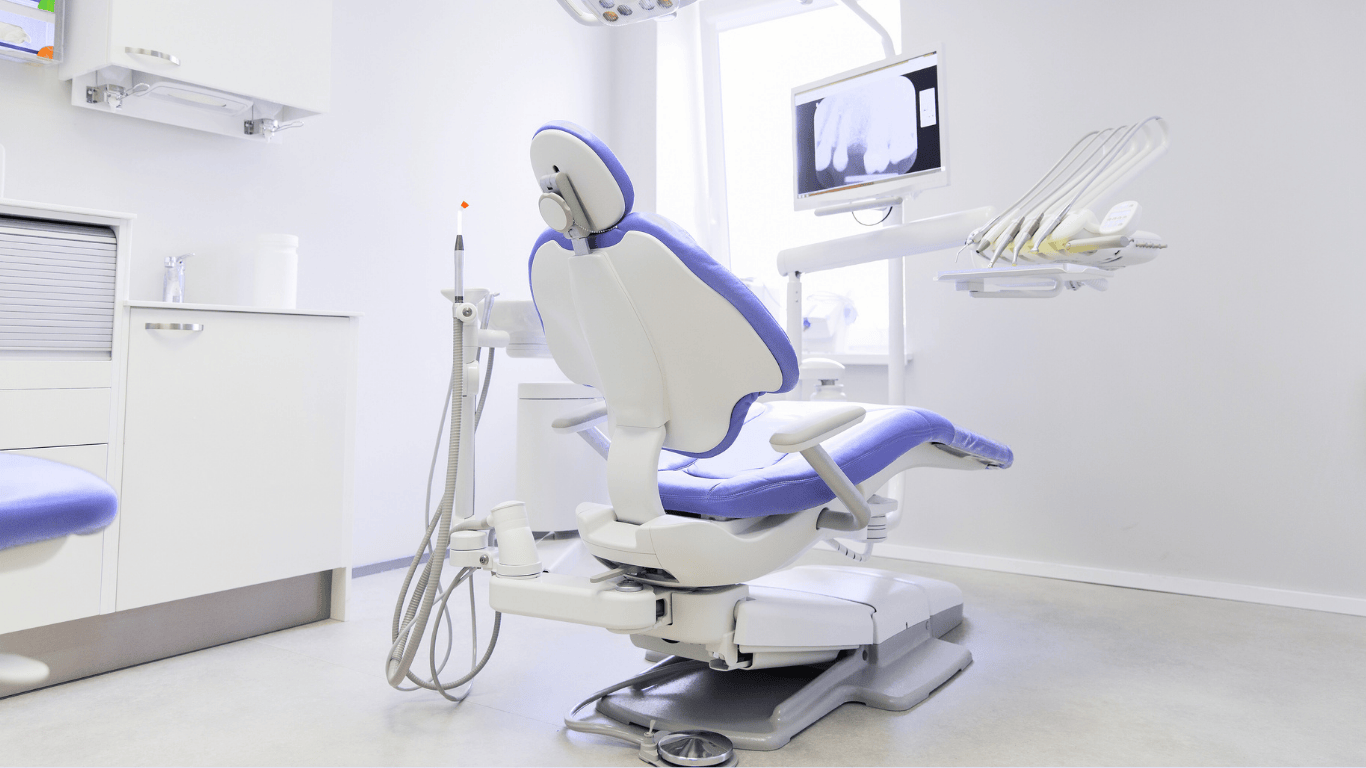
Practices that maintain visibly spotless environments tend to see improved patient satisfaction, which can influence new-patient referrals and retention, according to findings on the impact of clinical cleanliness.
Your safety protocols and reputation depend on getting this right. These 15 practical cleaning tips apply the latest CDC guidance and proven industry checklists to your daily operations.
From surface disinfection to deep cleaning scheduling, each step reduces infection risk, demonstrates compliance during audits, helps you maintain critical disinfectants in stock without over-ordering, and shows patients that your team takes their health seriously.
1. Build a Daily, Weekly and Monthly Cleaning Checklist
A solid checklist keeps your entire team on the same page. It speeds up training for new hires, provides experienced staff with a quick reference, and creates the documentation trail that inspectors expect to see.
Break yours down by frequency, including daily, weekly, and monthly, as well as by location, such as operatories, reception, restrooms, and staff areas.
Daily tasks protect patients between appointments. Your team should disinfect treatment chairs, counters, and X-ray heads after every patient, empty sharps containers and general trash before closing.
The CDC’s environmental-surface guidance recommends using EPA-registered disinfectants with proper contact time after each use.
Weekly tasks address the buildup that isn’t apparent on a day-to-day basis. Deep-clean handpiece tubing, polish glass partitions, and vacuum air vents — details highlighted in comprehensive industry checklists.
Monthly entries focus on preventive maintenance, including inspecting HVAC filters, changing suction traps, and wiping down light fixtures.
Understood! Here’s the revised version with added subsections, sparing use of bullet points, and a more skimmable structure without losing the detail:
2. Maintain an Inviting Waiting Area
Your waiting area is the first impression patients have of your practice, so cleanliness is key. Here’s how to make sure it reflects your commitment to care:
- Clean high-touch surfaces regularly: Wipe down armrests, coffee tables, toys, and touchscreen kiosks with EPA-registered disinfectant wipes.
- Minimize germ transmission: Replace physical magazines with digital reading options, or if you keep physical copies, sanitize them often.
- Spot-clean upholstery: Regularly clean the fabric to prevent stains and maintain a professional appearance.
A clean and inviting waiting room boosts patient trust and creates a positive experience, reinforcing the professional image you want to project.
3. Disinfect High-Touch Clinical Contact Surfaces
Clinical surfaces in each operatory, like light handles, drawer pulls, and keyboards, are breeding grounds for pathogens. Here’s how to maintain a safe environment:
- Use hospital-grade disinfectants: Ensure proper dwell time (1 to 10 minutes) for each product used, following manufacturer instructions.
- Pre-clean surfaces: Always remove visible debris first, as disinfectants can’t penetrate dirt effectively.
- Use surface barriers for hard-to-clean items: Items like keyboards or touchscreens should be covered with disposable barriers and replaced between patients.
Tip: Implement a color-coded cloth system to prevent cross-contamination. This system keeps cleaning materials separate for different areas (e.g., countertops and treatment tables).
4. Properly Manage Medical and Hazardous Waste
Proper waste management helps you stay compliant and minimizes the risk of cross-contamination. Here’s how to handle different types of waste:
- Separate waste at the source: Use color-coded, leak-proof bins in each operatory, labeled as follows: red for biohazard waste, yellow for sharps, and black or white for general waste.
- Regular checks: Ensure sharps containers don’t exceed three-quarters full.
- Disposal: Use licensed medical waste haulers to handle disposal, rather than regular trash services.
Proper waste handling ensures patient and staff safety, reduces contamination risks, and keeps your practice audit-ready.
5. Prioritize Dusting and Indoor Air Quality
Dust can carry allergens and pathogens, so maintaining clean air is essential for a healthy practice environment:
- Use microfiber cloths: These trap 99% of dust particles in a single pass, reducing cleaning time and improving efficiency.
- Maintain HVAC systems: Regularly inspect and change filters to ensure optimal performance and efficient air quality.
- Clean overhead areas: Use an electrostatic duster to safely remove dust from vents and ceiling corners without the need for ladders in patient spaces.
Improved air quality reduces discomfort for patients with asthma or sensitivities and enhances your practice’s overall environment.
6. Keep Restrooms Sparkling and Fully Stocked
A clean restroom has a significant impact on patient perception. Follow this routine to maintain a welcoming and hygienic restroom:
- Disinfect high-touch areas: Clean faucets, doorknobs, and countertops to ensure they’re free of germs.
- Keep supplies stocked: Regularly check for soap, paper products, and feminine hygiene items to prevent negative impressions.
- ADA compliance: Ensure sinks are at the correct height and the restroom allows adequate space for wheelchair access.
Opt for neutral air fresheners instead of strong fragrances, which can trigger sensitivities. Use a restroom log to document cleaning checks every two hours for accountability.
7. Wear Proper PPE and Follow Manufacturer Instructions
Proper personal protective equipment (PPE) is essential for maintaining safety and sanitation in your practice:
- Select appropriate PPE: Use gloves, masks, and eye protection based on the task at hand.
- Follow correct sequence: Put on your gown first, then mask, eye protection, and gloves last. Reverse the order when removing PPE.
- Inspect and clean PPE: Inspect gloves for cracks and wash reusable PPE after each use.
Proper PPE ensures that your team stays protected and your practice remains compliant with safety standards.
8. Sterilize Instruments Correctly and Log Each Cycle
Sterilization is a crucial part of infection control. Follow these steps to ensure proper instrument sterilization:
- Clean and inspect instruments: Before sterilizing, clean and inspect each tool thoroughly to remove debris.
- Use chemical indicator strips: These confirm that the autoclave has reached the correct temperature and pressure.
- Perform weekly spore tests: Schedule regular tests to ensure the sterilizer is working correctly.
Maintain a detailed log for each sterilization cycle, including the date, operator initials, and test results. This documentation builds trust and ensures compliance with regulations.
9. Clean and Maintain Dental Chairs and Accessories
Your treatment chair is one of the most important tools in your practice, so it must be kept spotless and mechanically sound. Here’s how:
- Daily cleaning: Wipe down upholstery, armrests, and control panels with EPA-registered, hospital-grade disinfectants after each patient.
- Use alcohol-free formulas: Avoid high-alcohol solutions to prevent drying or cracking vinyl over time.
- Replace disposables: Swap out headrest covers and barrier sleeves after every procedure to prevent cross-contamination.
Thoroughly clean upholstery and lubricate mechanical joints every three months to prevent squeaks and costly repairs.
A clean, well-maintained chair signals professionalism and reinforces patient trust in your care.
10. Inspect and Sanitize Vacuum Lines and Evacuation Systems
Vacuum lines and evacuation systems play a crucial role in preventing cross-contamination. To ensure they work effectively:
- Flush lines daily: Use non-foaming enzymatic or biological cleaners to keep lines clear without harsh chemicals.
- Check suction regularly: Listen for pitch changes or note slower draw, which may indicate hidden buildup.
- Change filters and traps monthly: Document each change in a maintenance log to keep track of system performance and compliance.
Consistent upkeep prevents odors, reduces the risk of emergency repairs, and extends equipment lifespan, ensuring smooth operations during appointments.
11. Opt for Eco-Friendly, Low-VOC Cleaning Options
Switching to eco-friendly, low-VOC cleaning options offers both health and environmental benefits:
- Use low-VOC disinfectants: Opt for plant-based, EPA Safer Choice products that eliminate pathogens without strong chemical odors, creating a healthier indoor environment.
- Microfiber cloths: Replace disposable paper products with reusable microfiber tools that capture more debris and reduce landfill waste.
As a sustainable alternative, stock bamboo toothbrushes and biodegradable floss at brushing stations to appeal to eco-conscious patients. Sustainable choices not only reduce your environmental impact but also appeal to a growing number of environmentally conscious patients, building loyalty and attracting referrals.
12. Train Staff Continuously and Assign Accountability
Regular training and clear roles are essential for maintaining hygiene standards:
- Quarterly training: Hold refresher sessions every three months to cover updated procedures and practice emergency drills.
- Assign responsibilities: Use a color-coded zone chart to designate specific areas for each staff member. A daily sign-off sheet ensures accountability.
- Document training: Keep detailed records of every session, including topics covered and attendance, to ensure compliance and minimize the risk of audits.
Regular training helps staff stay updated, ensuring consistent practices and smoother workflow. Written documentation reinforces accountability and ensures you’re audit-ready.
13. Document Everything for Compliance Audits
Accurate documentation is key during audits. Here’s how to stay organized:
- Master binder: Store essential records, including Safety Data Sheets (SDS), autoclave cycle logs, spore test results, and completed checklists.
- Store records correctly: Follow state retention guidelines (typically 5-10 years) and use digital tools like iAuditor to simplify record-keeping and ensure accuracy.
- Core documentation includes:
- Daily/weekly/monthly checklists
- Autoclave maintenance logs
- Waste disposal manifests
- Annual exposure
- control and training records
Well-organized records demonstrate compliance, reduce audit risks, and show patients that your infection-control protocols are solid.
14. Schedule Periodic Deep Cleans and Professional Services
Your daily cleaning routine isn’t enough to tackle every corner of your practice. Here’s where professional cleaning services come in:
- Create a maintenance schedule: Plan for semi-annual floor care, quarterly duct maintenance, and upholstery cleaning during quieter periods to minimize disruption.
- Professional cleaning services: Utilize commercial equipment, such as burnishers and HEPA vacuums, to clean areas that your regular tools may miss.
Professional deep cleans reduce allergens, odors, and wear-and-tear on furnishings, extending their life and improving overall patient comfort. Keep detailed records of each service visit for compliance verification during audits.
Maintaining a Safe and Welcoming Practice
Maintaining a clean, safe, and professional environment is crucial for the success of your dental practice. From ensuring high-touch surfaces are disinfected to investing in eco-friendly cleaning options, every detail contributes to patient trust and satisfaction.
By creating a welcoming space, maintaining consistency with your routines, and training your team, you’ll not only meet health and safety standards but also enhance the overall patient experience.
Looking to grow your practice and attract more patients? Offer the most effective patient financing solution in dentistry. Practices using Sunbit see up to 25X more production and significantly higher case acceptance. Book a quick demo to see how it works.