






Summary
This article breaks down the cost of timing belt replacement, highlighting the significant difference between preventative maintenance and repair after a belt failure. It explains the components involved, factors influencing price (like vehicle type, engine, and shop rates), and offers crucial advice on proactive replacement to avoid much higher engine repair costs.
Key Points
- Preventative timing belt replacement (typically $500–$1,400) is far cheaper than repairing damage from a snapped belt ($2,000–$10,000+).
- Labor accounts for 50-70% of the total cost due to the complexity of accessing the belt.
- Always replace the belt, tensioner, idler pulleys, and water pump (if belt-driven) simultaneously to avoid paying for labor twice.
- Vehicle make, engine configuration, shop labor rates, parts quality, and shop type all significantly influence the final cost.
- Ignoring warning signs or delaying replacement can lead to catastrophic engine damage, especially in “interference engines.”
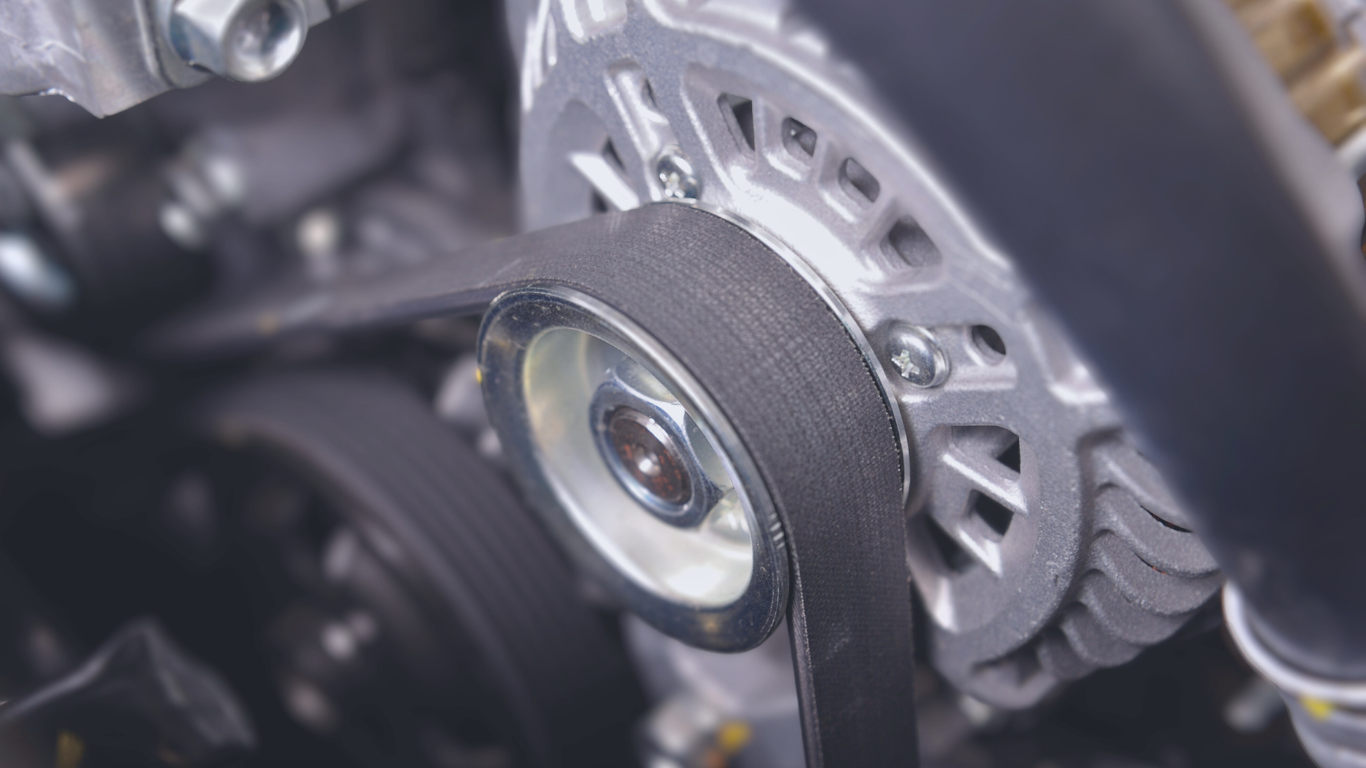
When it comes to car maintenance, the timing belt is one component that often gets overlooked until it’s too late.
A snapped timing belt can lead to serious engine damage, including bent valves and damaged pistons, potentially stranding you with expensive repairs and towing fees.
While preventative timing belt replacement can save you from this costly outcome, knowing when and how to replace it is key to avoiding unexpected engine failures.
We’ll explore what goes into timing belt replacement, how factors like your vehicle’s make, model, and location influence the overall cost, and tips for managing the repair effectively.
Why Timing Belts Matter (And Why Delays Get Expensive Fast)
Your timing belt keeps the crankshaft and camshaft synchronized, allowing the valves to open and close precisely in time with the pistons’ arrival.
This timing allows smooth combustion and power delivery. When the belt frays, stretches, or snaps, that coordination stops—sometimes instantly.
The fallout depends on your engine design:
- Non-interference engines: Usually just stall when the belt breaks
- Interference engines: Valves and pistons occupy the same space at different moments, so when timing fails, they collide—bending valves or punching holes through pistons
Warning Signs to Watch For
These belts rarely give advance notice before they snap. Watch for:
- Ticking or chirping noises from the front of the engine
- Engine misfires or rough idle
- Sudden power loss
- Oil seeping around the timing cover (fluids destroy belt rubber)
- Visible cracks, glazing, or missing teeth during inspection
- Hard starting or complete failure to start
Many belts fail without any symptoms, making proactive replacement essential. If you’re unsure when the last service happened, which is common with used car purchases, schedule the job immediately. Roadside belt failure costs far more than planned maintenance.
The Cost Reality:
- Scheduled replacement: Typically $500–$1,400 for most vehicles (parts and labor)
- After failure: $2,000–$10,000+ in engine repairs or full replacement
Belt failures rarely give advance notice. One moment you’re driving normally, the next you’re coasting to the shoulder calling for a tow, as countless repair shop stories confirm.
Parts vs. Labor: The Real Cost Breakdown
When you get a quote for belt service, most of the money is paying for the hours a technician spends buried under your hood.
Labor typically eats up 50–70% of the bill because accessing the belt requires removing engine covers, accessories, and sometimes motor mounts.
This job takes 3–5 hours on typical vehicles and even longer on cramped V-6 or European layouts.
Cost Breakdown Table
| Cost Category | Typical Range | Share of $800 “mid-range” Job* |
|---|---|---|
| Belt kit (belt, tensioner, idler pulleys) | $100 – $350 | 18% |
| Water pump (if driven by the belt) | $50 – $350 | 10% |
| Gaskets & seals | $20 – $50 | 3% |
| Labor | $290 – $1,100 | 69% |
| Total | $500 – $1,400+ | 100% |
Parts prices remain relatively predictable, but labor costs increase rapidly in high-wage markets or on engines that require near-surgical precision to access the belt.
Because so much labor goes into the procedure, replacing the belt alone makes little sense if the unexpected repair costs would stretch your budget.
The smart approach includes replacing:
- The belt
- Automatic tensioner
- One to three idler pulleys
- Water pump (on engines where the belt drives it)
- Camshaft and crankshaft seals, if they’re weeping oil
By tackling these items together, you avoid paying twice for the same teardown and significantly reduce the likelihood of an unexpected breakdown a few months down the road.
Six Factors That Influence Your Quote
When comparing estimates, six variables have the greatest impact on your costs. Understanding how each one works helps you separate unavoidable expenses from negotiable ones—and spot real savings opportunities.
1. Vehicle Make and Model
Your vehicle’s badge determines your baseline cost:
- Economy cars (Honda Civic): Typically $439–$617
- Mid-size SUVs (Ford Escape): Can top $1,500
- Full-size trucks (F-150): Can push past $3,000
- Luxury/European brands: Often jump over $1,000 for the same job that costs a few hundred on a Civic
The difference comes down to specialized parts and tighter engine compartments that require more labor time.
2. Engine Configuration
Engine layout directly impacts labor time:
- Inline-four engines: Give technicians room to work, keeping labor in the 3-5 hour range
- V6 or V8 layouts: Hide the belt behind engine mounts and accessories, sometimes doubling both labor time and cost
This explains why a compact Toyota Corolla stays under $800 while a V6 Ford SUV climbs well past $1,000.
3. Shop Labor Rates
Rates vary dramatically by location and shop type:
- Rural garages: Around $80/hour
- Urban independent shops: $120-150/hour
- Big-city dealerships: Can exceed $200/hour
Since labor accounts for 50-70% of your total cost, your zip code and shop choice can add or save hundreds to your final bill.
4. Parts Quality Choice
You’ll choose between:
- OEM (Original Equipment) kits: Cost $100-150 more than aftermarket versions but offer longer warranties and guaranteed fit
- Aftermarket kits: From reputable brands that trim your upfront cost while maintaining quality
Decide which matters more to your budget and peace of mind—just never mix old tensioners or pulleys with a new belt.
5. Shop Type
- Dealerships: Charge higher rates but offer brand-specific expertise and factory parts
- Independent shops: Typically undercut dealer prices by 15-30% on labor and let you choose between OEM and aftermarket parts
Always request detailed, itemized quotes to make accurate comparisons.
6. Additional Components
Adding components increases your parts cost by $50-350 but saves you from paying for teardown labor twice. You’re essentially buying tomorrow’s repair at today’s labor rate; one of the few upgrades that actually lowers your long-term costs, even though it raises today’s bill.
Frequently Asked Questions
Still unsure about timing belts and what you can expect when replacing them? Here are some frequently asked questions that may help.
Can I drive with a worn belt?
Don’t risk it. A fraying or stretched belt can snap without warning, and in interference engines, that usually means bent valves, damaged pistons, and a repair bill that can reach $2,000–$5,000; far more than the scheduled replacement costs.
Is a timing chain replacement the same price as a timing belt replacement?
No. Chains are made of metal, built to outlast the engine, and when they do fail, labor costs more because the engine often requires a partial teardown. You’ll pay more than a routine belt service, but most drivers never face that expense.
Do hybrid or electric cars have timing belts?
Many hybrids still use a gasoline engine with a belt, so the same maintenance rules apply. Pure electric vehicles skip belts entirely since they have no combustion engine.
Will extended warranties cover timing belts?
Most factory warranties treat these as routine maintenance, so coverage is rare. Some third-party plans include it; read the fine print before assuming you’re protected.
How long does replacement take?
Plan to be without your car for three to five hours for most models, although complex engine layouts can increase this to eight hours or more, according to typical industry estimates.
What happens if the belt breaks while driving?
The engine stops instantly. On interference engines, internal collisions can destroy valves and pistons, turning a $700 service into a multi-thousand-dollar rebuild or complete engine replacement.
Keep Your Timing Belt in Check to Avoid Costly Repairs
Timing belt replacement may seem like a daunting expense, but understanding the factors that contribute to the cost and taking a proactive approach can help you save significantly in the long run.
By addressing timing belt issues early, selecting the right parts, and considering labor costs and shop options, you can avoid the catastrophic damage that results from a snapped belt.
If you’re unsure about when to replace your timing belt or need expert advice on your options, Sunbit’s auto repair directory can connect you with trusted professionals who can guide you through the process.