



Summary
When your check engine light comes on or your brakes start grinding, the stress isn’t just about the repair itself. It’s about how you’ll pay for it. This guide explores why payment flexibility has become essential for millions of Americans facing unexpected auto repair costs, and what options exist at repair shops in your area to help you keep your car running without derailing your budget.
Key Points
- 35% of Americans delay necessary car repairs
- Payment timing causes 50% to fall behind
- Five payment options exist beyond full payment
- Younger drivers pay more in repairs
- Delayed maintenance causes 2 million preventable breakdowns
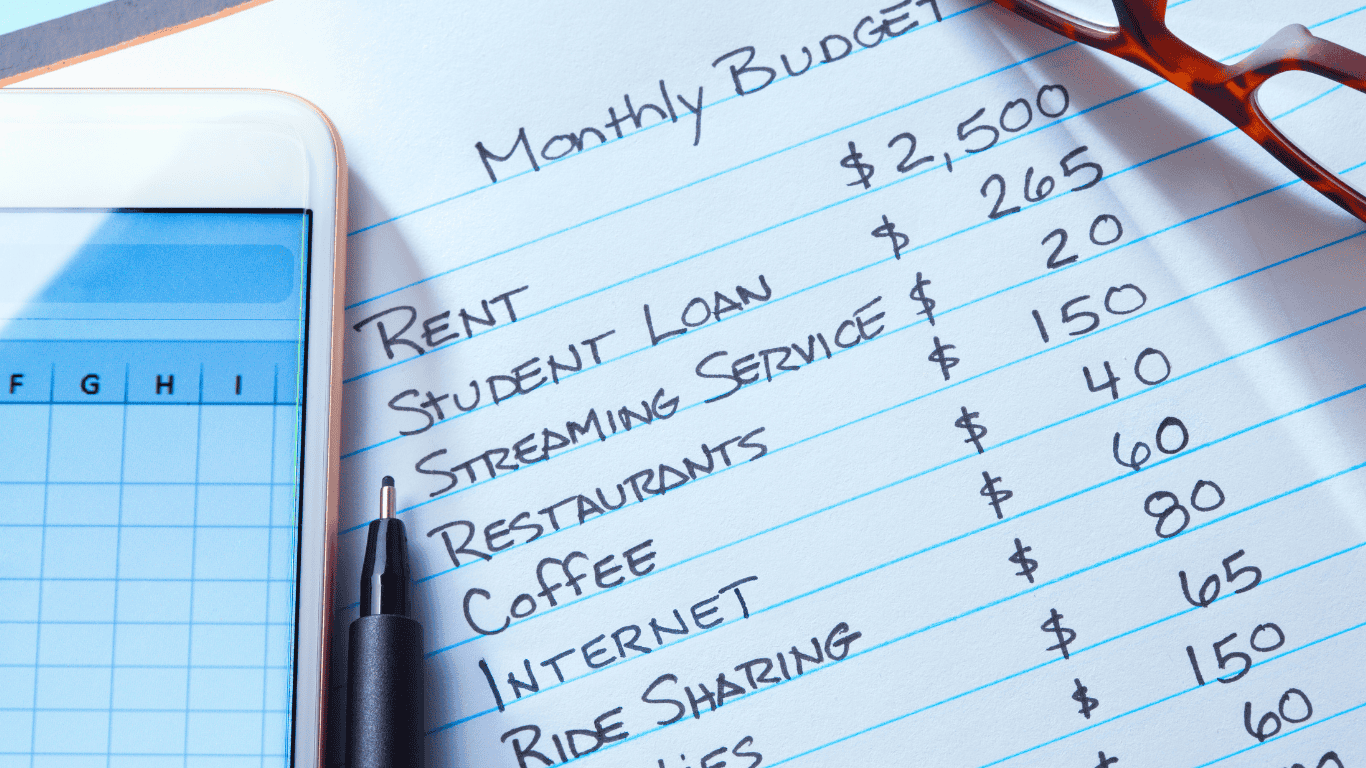
This scenario plays out thousands of times every day across America. But here’s what might surprise you. You’re far from alone in this situation.
According to the Federal Reserve’s research, 30% of adults cannot afford an unexpected expense of $400. When typical auto repairs exceed this threshold, many Americans face difficult financial decisions about how to pay for necessary maintenance.
The Real Cost of Auto Repairs Today
Understanding what repairs actually cost helps explain why payment flexibility has become essential rather than optional.
Labor Costs Vary Dramatically by Location
According to AAA’s research, hourly labor rates range from less than $100 to over $200 per hour across different U.S. states. Where you live can mean a difference of $100 or more per hour.
Labor typically represents 50 to 70% of your total repair expense. This makes location one of the biggest factors in your final bill.
Common Repairs Add Up Fast
Specific repair costs vary widely. Alignment service runs from $168.66 to $197.64, while alternator replacement costs between $754.07 and $849.96.
These amounts might seem manageable for some, but when they come due before you get paid, they create genuine financial stress. 30% of adults cannot afford an unexpected $400 expense.
When typical repairs exceed several hundred dollars, this creates a significant financial burden for millions of households.
What Drives Repair Costs Higher
Several factors combine to push repair bills higher:
- Labor represents the largest cost: According to AAA, technicians require specialized training and certification. Modern vehicles contain complex computer systems, requiring diagnostic equipment that costs repair shops thousands of dollars.
- Parts vary by vehicle: Luxury vehicles typically cost more to repair than economy cars. Foreign parts may require longer shipping times, extending how long you’re without your vehicle.
- Location matters significantly: Urban areas with higher costs of living translate to higher labor rates. Rural areas might have lower rates but fewer shop options, limiting your negotiating power.
- Facility type affects pricing: Dealerships typically charge premium rates but use manufacturer-certified parts. Independent mechanics often charge less but may use aftermarket parts. Chain repair shops fall somewhere in between.
These overlapping factors explain why the same repair can cost dramatically different amounts depending on your circumstances.
Costs Are Rising Faster Than Your Income
Here’s a financial reality backed by recent data. Your repair costs aren’t just going up. They’re increasing at a much faster rate than your income.
According to Forrester’s Q2 2024 consumer analysis, consumer outlays grew 5.4% year over year. Income growth lagged at just 4.4%.
Even worse, disposable income grew only 0.9% year over year. That’s the money you actually have left to spend.
Meanwhile, auto repair costs have skyrocketed. According to Federal Reserve data, car repairs cost 17% more in 2023 than in 2022. This is nearly three times the overall inflation rate.
When you compare this to the fact that household expenditures increased only 5.9%, you see the squeeze clearly. Repair costs are rising at almost three times the rate of overall expenses.
This gap between rising costs and stagnant income explains the squeeze. Unexpected repair bills have become a genuine financial emergency for many households.
Why Payment Timing Matters as Much as Total Cost
Even when you have the money to pay for repairs, timing creates stress. The Federal Reserve’s findings reveal a critical insight about household finances.
50% of consumers cited bills due before they got paid as an important reason for falling behind on bills. Think about what this means for auto repairs.
Your car breaks down on the 10th of the month. The repair shop needs payment when the work is done. But your paycheck doesn’t arrive until the 15th.
Even if you earn enough to cover the repair, the timing mismatch creates a financial crisis. The same research found 40% reported payment timing doesn’t align with income timing.
This isn’t about not earning enough money overall. It’s about cash flow and when bills arrive versus when money becomes available.
The Consequences of Waiting
When cost or timing forces delays, the results can be serious. AAA’s data shows that 35% skip or delay vehicle service or repair.
This isn’t a small problem affecting a few people. It’s over one in three Americans making decisions to defer necessary maintenance.
What happens next? AAA research reveals that AAA towed more than 2 million vehicles due to engine related issues. They also towed 600,000 vehicles for transmission failures.
Many of these breakdowns could have been prevented with timely maintenance. The CFPB’s research on payment struggles shows that consumers sometimes cut back on or went without essentials to make payments, demonstrating how repair costs create cascading financial stress.
Five Ways to Pay for Auto Repairs
When you can’t pay the full amount upfront, you have options. Each works differently, with distinct advantages and costs.
Point-of-Service Payment Plans
Some repair shops offer payment plans that let you divide repair costs into manageable monthly payments. These services typically provide quick approval decisions, often within minutes. The repair shop receives immediate payment while you make scheduled payments according to your agreed upon terms.
Application processes usually take just minutes at the point of service with minimal documentation requirements. Approval rates and terms vary by provider. Interest rates depend on your creditworthiness and the specific service you choose.
This option works best for those who need quick approval at the repair shop without delays. According to The Motley Fool, 24% used payment flexibility services for unexpected expenses. Always review the specific terms and conditions before committing to ensure you understand the payment schedule and any potential fees.
Store Branded Auto Repair Credit Cards
Another option involves applying for a credit card at the repair shop itself. These cards provide immediate application and approval at the point of service. You can use the card right away to pay for your repairs.
These cards typically charge APRs ranging from 29.99% to 34.99%. Most shop-specific cards require credit approval and may include minimum interest charges around $2.
While these cards offer immediate approval, they carry much higher interest rates than most other financing options. They work best if you can pay off the balance quickly to minimize interest charges. The convenience of instant approval comes with the trade-off of premium interest rates.
Personal Loans
You might also consider borrowing money from a bank or online lender, then using it to pay for repairs. Personal loan APRs vary widely depending on your credit score, with the best rates available to borrowers with credit scores above 700.
Fixed monthly payments provide budget predictability. You often qualify for a discount with autopay and direct deposit.
If you have good credit, personal loans can save you hundreds of dollars compared to store cards. This option requires a separate application process and typically takes longer than point-of-service financing. However, it offers the best value for qualified borrowers with good credit.
Compare multiple lender offers before deciding to ensure you get the best rate available.
Traditional Credit Cards
Additionally, you can use your existing credit card to pay for repairs. This option allows you to use credit you already have available without any separate application. APRs vary based on your credit profile and card issuer.
This approach offers the advantage of immediate payment without new applications or credit checks. You may earn rewards points on your purchases. Consider whether the rewards offset any interest costs if you can’t pay the balance immediately.
This works best for those with available credit on existing cards and the ability to pay off the balance relatively quickly. If you already have a credit card with available credit, using it for repairs avoids the need to apply for new financing.
Shop Specific Payment Plans
Finally, you can negotiate directly with the repair shop to break payments into smaller monthly payments. Terms are negotiated individually with each shop. This provides the most flexible option for those with poor or limited credit.
Most shops require a down payment upfront. Terms, interest rates, and fees vary completely by shop, as there are no standardized requirements.
This option works best for those who can’t qualify for other financing options. Building a relationship with a local repair shop can make negotiations easier. Some shops offer these plans to retain customers for future service needs.
Be sure to get all payment terms in writing before agreeing to any arrangement.
Who Needs Payment Flexibility Most
J.D. Power’s research found 29% of auto loan borrowers are categorized as financially vulnerable. This highlights why payment flexibility has become essential rather than optional for a substantial segment of borrowers.
Younger Consumers Face a Double Burden
Younger consumers face higher repair costs and greater reliance on payment plans. Research shows younger people paid more in car repairs and maintenance than Americans aged 55 and older during a five year period.
At the same time, The Motley Fool’s data shows 20% under 45 have used payment flexibility services. That’s approximately 20%, compared with just 8% of those 60 and older. This represents 2.5 times higher adoption among younger consumers.
Several factors drive this higher reliance on payment flexibility. Younger consumers pay more in repairs while having less established savings. Many carry student debt that limits their emergency funds.
They’re earlier in their careers with lower incomes and fewer financial resources. Additionally, they often drive older vehicles that require more frequent repairs. This combination creates a financial squeeze that makes payment flexibility essential rather than optional.
Those Already Carrying Debt
CFPB research reveals that 34 to 35% of households already have auto loans with median auto debt of $14,940 to $15,601. Additionally, 26% lack credit available for unexpected expenses.
When you’re already managing existing debt, an unexpected repair bill compounds your financial challenge. These households must balance repair costs against existing payment obligations. Limited financial flexibility for emergency expenses creates stress.
Higher risk of payment conflicts between multiple debts becomes a real concern. Those already carrying debt may face higher interest rates on new financing due to their debt to income ratios. This makes choosing the right payment option even more critical.
Compare total costs carefully before committing to additional financing.
The Emergency Expense Reality
Pew Research Center found that 60% of American households experienced a financial shock in the year studied. The breakdown showed 30% faced repairs, making it the single most common financial emergency.
This happens more often than home repairs, medical bills, or job loss.
Making the Right Choice for Your Situation
With multiple payment options available, choosing the right one depends on your specific circumstances.
For Those With Good Credit
If you have good credit with a score above 700, personal loans often offer competitive rates. These loans feature lower APRs than store cards that charge 29.99% to 34.99%. This rate difference can save you substantial amounts on repairs over time.
When comparing lenders, request quotes from at least two before deciding. Look for autopay discounts that can reduce your rate further. Consider balance transfer credit cards if you have available credit, as some provide interest-free periods for qualified applicants.
Total interest savings can reach hundreds or thousands of dollars on larger repairs. The difference between paying 8.74% and 34.99% APR adds up quickly, especially on repairs exceeding $1,000.
For Fair or Building Credit
Alternatively, if you have fair or building credit, many point-of-service payment solutions offer high approval rates. These services typically use credit checks as part of their approval process. Look for favorable terms when available.
Shop specific payment plans provide maximum flexibility, especially if you have limited credit history. Focus on providers that report positive payment history to credit bureaus, as this helps build your credit over time. Consider all available options when making your decision to protect your financial standing.
When Monthly Payment Size Matters Most
On the other hand, if monthly payment size matters most to your budget, extended payment terms spread costs over longer periods. Lower monthly payments provide immediate budget relief but result in higher total interest costs.
Calculate the total amount you’ll pay including all interest charges before committing. Consider 6 month terms as a balance between manageable payment size and reasonable total cost. Ensure the monthly amount fits comfortably in your budget alongside your other obligations.
Account for other monthly bills and expenses when choosing your repayment term length. Remember that longer terms mean paying interest for more months, which increases your total cost. A $1,000 repair at 25% APR paid over 12 months costs significantly more than the same repair paid over 6 months.
Understanding the Risks
CFPB research documents that struggling consumers sometimes cut back on or went without essentials to make payments. Additionally, 15% took out additional loans when struggling with payments.
Payment flexibility helps you complete necessary repairs. But it only works if the payment schedule realistically fits your budget and you can afford the monthly payments.
Questions to Ask Before Choosing a Payment Option
Before committing to any payment plan, consider these critical questions.
First, calculate the total amount you’ll pay including all fees and interest. The actual dollar difference between different APR options matters significantly for your specific repair amount.
Next, evaluate when payments are due and whether they align with your paychecks. Remember that 50% cite timing as a reason for falling behind. If payments are due on the 5th but you’re paid on the 15th, you’ll face immediate stress.
Understand what happens if you miss a payment. Some payment services charge late fees. Others may report late payments to credit bureaus, damaging your credit score.
Ask whether you can pay off the balance early without penalties. Check whether early payoff is allowed, which can save you interest charges if you receive unexpected income.
Consider whether the payment plan affects your credit score. Some options require credit inquiries that may impact your score. Others use different approval processes.
Finally, develop your backup plan if your financial situation worsens. Before committing, ensure you have a realistic plan if your income drops or other emergencies arise.
Finding Shops That Offer Payment Flexibility
When you’re ready to move forward with repairs, finding a shop that offers payment flexibility you need makes all the difference. Shops in our auto repair directory provide multiple payment options that align with your financial situation. These options help you get your car fixed without derailing your budget. Look for repair shops near you that understand payment timing matters as much as total cost.