



Summary
Strange grinding noises from your wheels signal potential bearing failure: a problem that worsens quickly without attention. Understanding the warning signs helps you find trusted mechanics near you before a minor issue becomes a dangerous breakdown. This guide shows you what to listen for and when to seek professional help in your area.
Key Points
- Unusual noises signal bearing failure
- Symptoms worsen gradually before breakdown
- Typical replacement costs vary significantly
- Bearings last 75,000 to 150,000 miles
- Early detection prevents wheel separation
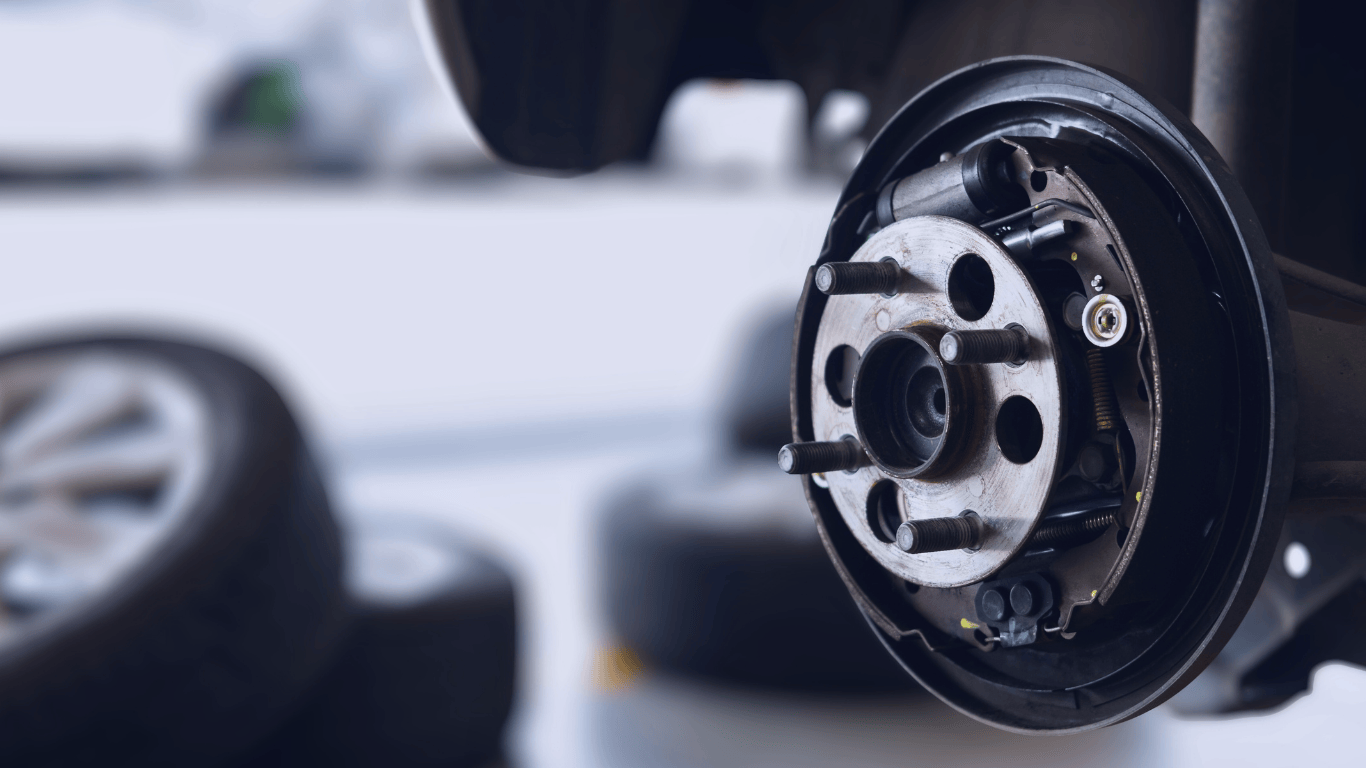
You’re driving down the highway when you notice a low humming sound that wasn’t there yesterday. It gets louder as you accelerate, then fades when you slow down. This low-frequency humming is an early warning sign of potential wheel bearing failure.
Your first thought might be the tires, but if the sound has a grinding or growling quality that changes with your speed, your wheel bearings are likely sending an urgent message. Wheel bearings are small but mighty components hidden inside your wheel hubs. They contain precision metal balls or rollers that allow your wheels to spin freely while supporting thousands of pounds of vehicle weight.
When they start to fail, they don’t stay quiet about it. Safety experts have found that bearing failures often produce audible warnings before complete failure. The challenge is recognizing what those warnings sound and feel like before you’re stranded on the roadside.
Seven Signs Your Wheel Bearings Need Attention
Grinding, Growling, or Howling Noises
The most frequently documented symptom is distinctive noise that changes with vehicle speed. Unlike engine sounds or exhaust rumbles, this noise originates from the wheel area. The noise has a cyclic, rhythmic pattern that might start as a barely noticeable hum at 45 mph, then gradually intensify over days or weeks.
Low-Frequency Humming at Highway Speeds
Some drivers describe it as sounding like driving over a highway rumble strip, even on smooth pavement. This distinct characteristic helps differentiate bearing noise from other mechanical issues. Some research indicates that wheel bearing failure can sometimes produce noise before catastrophic failure, but these warnings are not consistent or reliable enough to alert drivers in most cases.
Knocking Sounds from Wheel Area
When bearings begin to fail, you might first notice a knocking sound, excessive vibration, or changes in how your car handles. The knocking sound occurs when deteriorated bearings allow excess movement in the wheel assembly. This creates a clunking sensation as metal components shift against each other within the damaged bearing structure.
Steering Wheel Vibrations While Driving
Real owner experiences describe wheel bearing failures with increased noise and vibration as progressive symptoms. This happens because deteriorated bearings create instability in wheel rotation that transmits vibration through your steering system. The vibration from failing bearings differs from typical tire balance issues because it persists across multiple speeds and intensifies gradually over time.
Vehicle Drifting or Pulling to One Side
You may experience vehicle drifting or pulling to one side during straight-line driving. Owner reports document cases where front wheel bearings failed at approximately 130,000 miles, resulting in noticeable handling problems that required attention.
Here’s what this means for you when a wheel bearing begins to fail. First, you’ll need increased steering effort to maintain vehicle control. Next, you may notice an unstable feeling during cornering or turning maneuvers.
You might also experience difficulty maintaining straight-line tracking, particularly at highway speeds. Finally, these progressive handling changes become increasingly noticeable over time as the bearing degradation worsens.
ABS Warning Lights and Safety System Malfunctions
Safety recall data shows failing wheel bearings can cause critical safety system malfunctions. In some cases, front wheel bearings may be built with damaged encoder rings, causing a loss of wheel speed signals to the ABS system.
Modern wheel bearings often integrate wheel speed sensors that feed information to your ABS and stability control systems. When these bearings fail, you may first notice your ABS warning light illuminating on the dashboard.
Progressive Worsening of Symptoms Over Time
Research shows bearings typically fail slowly with increased noise and vibration over time, providing warning signs. However, ignoring symptoms can be risky. Safety documentation shows that in cases of ignored symptoms, bearing failures can progress to bearing ejection with minimal additional warning.
What starts as occasional humming at highway speeds can evolve into constant grinding. Mild vibration may progress to severe shaking. Pay attention to these changes and address them promptly.
Understanding When Bearings Typically Fail
Modern sealed wheel bearings often last between 100,000 and 150,000 miles under typical driving conditions. There are documented cases of early failures around 40,000 miles, but most replacements occur between 90,000 and 140,000 miles, with failures at 80,000–130,000 miles representing normal wear rather than a common problem cluster.
Your specific mileage may vary significantly based on driving conditions, vehicle weight and whether you regularly drive through deep water or over rough roads. Here’s the key difference from older vehicles: modern sealed bearings cannot be inspected, serviced, or re-lubricated. They must be replaced as complete units when they fail.
What Happens During a Professional Diagnosis
Understanding how mechanics diagnose bearing problems helps you recognize legitimate service recommendations. ASE-certified mechanics must demonstrate the ability to diagnose wheel bearing noises and vibration problems as part of the competencies tested for ASE certification. However, ASE does not label this skill as a ‘Priority-1’ or ‘essential’ competency.
Initial Sound Assessment
During the initial assessment, your technician will listen carefully to determine the source of any unusual sounds. They’re specifically trained to distinguish wheel bearing noise from other potential issues like tire problems or CV joint wear. The characteristic grinding, humming, or knocking sounds associated with bearing failure have distinct patterns that experienced mechanics can identify.
Test Drive Evaluation
The test drive provides critical diagnostic information beyond what can be learned in the shop. First, your mechanic will evaluate how vibrations feel through the steering wheel. Next, they’ll assess whether symptoms change during turns.
They’ll also check if left turns increase noise on the right side, which suggests a right-side bearing problem. Finally, they’ll observe how turning loads affect the opposite bearing. These observations help pinpoint exactly which bearing is failing.
Physical Inspection
Physical inspection with the vehicle raised allows your mechanic to check for several key indicators. They’ll look for excessive wheel play by grasping the tire at the top and bottom. They’ll test for any noticeable movement when rocking the wheel back and forth.
Your technician will also check for signs of grease leakage from bearing seals. They’ll examine the condition of the entire hub assembly and related suspension components. Any noticeable movement indicates bearing wear that requires replacement.
Your technician should explain diagnostic findings clearly, specify which bearing or bearings require replacement and explain why the recommended repairs are necessary based on inspection results. If your mechanic recommends bearing replacement without performing these steps, consider seeking a second opinion. Search for ASE-certified technicians in your area if they cannot explain specific findings that led to their recommendation.
The Real Cost of Replacement
Wheel bearing replacement costs vary significantly based on vehicle make, model and location. Professional diagnosis will provide accurate estimates for your specific situation. National averages show replacement typically costs between $346 and $505 per wheel.
Parts and labor costs differ between vehicles, with repairs potentially needed on multiple wheels simultaneously. Keep in mind that problems with wheel bearings often affect multiple wheels at once. When symptoms appear on one wheel, other bearings may also need replacement soon. Budget accordingly for potential repairs on 2-4 wheels rather than assuming only one bearing needs replacement.
Why Delaying Replacement Risks Your Safety
Government safety authorities explicitly recognize wheel bearing failure as a serious hazard. Safety agencies state that wheel separation incidents most commonly result from wheel stud/lug nut or wheel-to-hub mounting failures, with wheel bearing failure being a less frequent contributing factor.
Official law enforcement training includes recognizing that shimmy or vibration during driving could signal a loose wheel or drive shaft, as part of vehicle safety protocols. Officers are generally expected to report abnormal noises or excessive heat during inspections, but there is no specific formal curriculum on bearing failure recognition. Government agencies wouldn’t include this training if bearing failures were trivial concerns.
Beyond complete wheel separation, failing bearings compromise your vehicle’s safety systems. When bearings damage integrated wheel speed sensors, your ABS and electronic stability control cannot function properly. This affects emergency braking or loss-of-traction situations. Safety documentation confirms that damaged encoder rings in wheel bearings cause a loss of wheel speed signals to the ABS system.
Simple Steps That Extend Bearing Life
Modern sealed bearings are non-serviceable and cannot be re-lubricated. However, you can take practical steps to maximize their lifespan and protect your investment.
First, inspect bearing seals during routine tire rotations for cracks, tears, or displacement. Address any seal damage immediately before contaminants enter the bearing assembly. Next, avoid driving through deep water when possible and if unavoidable, drive slowly and continue driving afterward to allow bearing heat to evaporate moisture.
Always use a calibrated torque wrench for wheel installation and never use impact wrenches for final tightening. Consult your vehicle owner’s manual for specific torque specifications and re-torque wheels after 50-100 miles following any wheel removal.
Maintain proper brake system condition to prevent excessive heat generation that degrades bearing grease. Practice gentle driving habits to reduce impact loading by avoiding potholes when safely possible and reducing speed over rough surfaces. These preventive measures help extend your wheel bearing lifespan and avoid premature replacement.
Taking Action When Symptoms Appear
If you notice any warning signs including humming, grinding, knocking, vibration, or pulling, schedule a professional inspection promptly. Safety experts confirm wheel bearing failures typically produce observable warning signs before catastrophic failure, though rare sudden failures without warning can occur. However, the progression from early symptoms to complete failure can occur rapidly in some cases.
Before authorizing repairs, obtain written estimates with itemized breakdowns. Verify all charges are disclosed upfront and request detailed explanations. If you suspect overcharging, seek a second opinion from another repair shop.
Modern sealed bearings require no periodic service or lubrication. However, you should stay alert for warning signs like humming or grinding noises that increase with vehicle speed, steering wheel vibrations, or ABS warning lights. When you notice these symptoms, finding a qualified mechanic who can properly diagnose and replace wheel bearings is crucial for your safety. Visit Sunbit’s auto repair directory to connect with trusted auto service centers near you that can provide the expert care your vehicle needs.