






Summary
This guide provides a comprehensive list of 30 essential items for a road trip emergency kit, based on recommendations from AAA and other safety authorities. It covers everything from jumper cables and first-aid supplies to reflective triangles and non-perishable food, ensuring drivers are prepared for common breakdowns, severe weather, and minor accidents. The article also includes seasonal and terrain-specific add-ons, emphasizing the importance of regular kit maintenance for a safe and stress-free journey.
Key Points
- A well-stocked emergency kit is crucial for handling unexpected breakdowns and hazardous driving conditions.
- Essential items include tools for vehicle repair (jumper cables, tire repair kit), safety and visibility (reflective triangles, flashlight), and personal well-being (first aid kit, water, non-perishable snacks).
- Consider seasonal and terrain-specific additions like snow chains for winter or a satellite phone for off-road travel.
- Regularly check and update your emergency kit to ensure all items are functional and up-to-date.
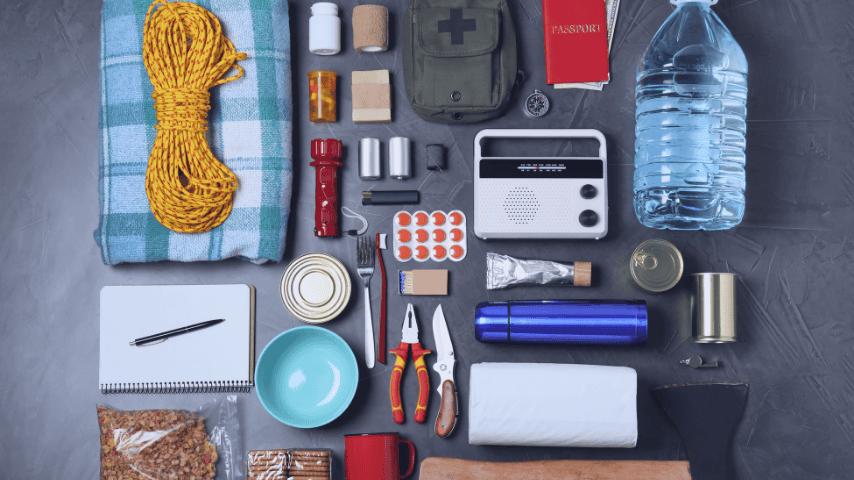
Breakdowns rarely respect your schedule. And while you wait for help, even simple problems like dead batteries, flat tires, or small cuts can turn into stressful ordeals without the right supplies.
This guide walks you through assembling a 30-item road trip emergency kit that follows guidance from the American Automobile Association (AAA) and other safety authorities, helping you learn what to pack, how to keep it ready, and the quick drills worth practicing so you can hit the road with confidence.
Why You Need a Kit
You never schedule a flat tire or sudden white-out, yet they arrive just the same. Without preparation, you’re left stranded in hazardous conditions, paying premium tow fees while waiting for help.
A compact, well-thought-out emergency kit changes everything. Instead of a helpless wait, you have a controlled pause: light to see, tools to fix, water to drink, and signals to keep oncoming traffic at bay.
Unexpected breakdowns like dead batteries and flat tires don’t wait for convenient timing. Severe weather creates dangerous driving conditions through storms, snow, and extreme heat.
Minor accidents can leave you stranded on busy highways, while having supplies means you can help fellow drivers in need. Beyond immediate safety, preparedness provides peace of mind and saves both time and money compared to expensive tow truck calls.
Whether you’re a busy professional rushing between meetings, a parent juggling family road trips, or a new car owner still learning the ropes, the 30 expert-recommended items ahead will keep you safe, save money, and let you drive with real confidence.
1. Jumper Cables
A sturdy 10–12-foot, 6-gauge set of jumper cables is crucial for reviving a dead battery when another car is available.
Battery failures are common, so practice the process: red clamp to the positive terminal on both vehicles, black clamp to an unpainted metal ground on your disabled vehicle. Store the cables at the top of your trunk for easy access.
2. Portable Jump Starter
A portable jump starter can revive dead batteries without needing another car. Choose one with at least 1,000 peak amps for larger vehicles like SUVs and trucks, or 600–800 amps for smaller cars.
Recharge every three months to maintain battery capacity. It’s a great alternative to waiting for roadside assistance.
3. First Aid Kit
A comprehensive first aid kit is essential for handling minor injuries like cuts, burns, or sprains while waiting for professional help.
Stock bandages, gauze, antiseptic wipes, gloves, pain relievers, and an instant cold pack. Don’t forget to personalize it with any prescriptions, allergy medications, or pet supplies. Families with kids should also include child-size bandages.
4. Flashlight and Extra Batteries
A 300-lumen LED flashlight or headlamp helps you stay visible and focused during night repairs.
Look for waterproof, impact-resistant models with beams reaching at least 200 feet. Store extra AA or AAA batteries in a zip bag to prevent moisture damage. Replace them whenever you rotate your emergency snacks to ensure they work when you need them.
5. Reflective Warning Triangles
Reflective warning triangles make your vehicle visible to other drivers, reducing the risk of secondary accidents.
Set up three triangles at 50, 75, and 100 feet behind your car to create a clear warning zone. They’re easy to use, require no batteries, and take up minimal storage space.
6. Multi-Tool or Swiss Army Knife
A quality multi-tool packs essential functions like pliers, screwdrivers, a knife, scissors, and even a can opener in a compact design.
It’s perfect for small repairs like tightening a loose battery terminal or securing a bumper clip. Keep it in your glove box and practice using it at home to become comfortable with it.
7. Tire Repair Kit and Portable Inflator
Flat tires are common, but a tire repair kit with a portable inflator can save you time. The kit seals punctures, while the 12-volt compressor restores proper tire pressure—no jack or spare needed.
Choose a compressor with an auto-shutoff feature to avoid over-inflating, and practice the process at home to ensure you can do it efficiently when needed.
8. Spare Tire, Jack, and Lug Wrench
A spare tire, jack, and lug wrench are essential when a tire can’t be repaired. Check the spare’s PSI regularly, as it’s often deflated when you need it most.
Practice changing a tire on level ground so you can handle it confidently under pressure, saving you time in an emergency.
9. Blanket or Sleeping Bag
A thick blanket or compact sleeping bag is crucial for warmth during cold-weather breakdowns. Add a Mylar sheet for extra heat retention; it’s lightweight but reflects 90% of body heat, making it a smart investment for your trunk.
10. Non-Perishable Snacks and Water
When stranded, hunger and dehydration can set in quickly. Pack non-perishable food for three days and one gallon of water per person, as recommended by emergency preparedness guidelines.
High-protein snacks like protein bars, almonds, and jerky are great for energy. Rotate your food every six months to ensure freshness.
11. Fire Extinguisher (Class B/C)
A compact Class B/C fire extinguisher is essential for extinguishing fuel or electrical fires. Mount it where you can easily reach it, such as inside the footwell or under the front seat, and check the pressure gauge annually.
If needed, use the PASS method: pull the pin, aim low, squeeze the handle, and sweep side to side.
12. Duct Tape
A 10-yard roll of duct tape is a versatile tool that can help with quick roadside fixes. It can seal radiator hoses, secure loose bumpers, patch cracked taillight lenses, or wrap frayed charging cables. Practice using it one-handed to save time when you need it.
13. Work Gloves
Sturdy work gloves, such as leather or cut-resistant synthetics, protect your hands during repairs. Whether you’re swapping a tire or handling hot engine parts, gloves will keep your grip firm and your skin safe. Consider insulated gloves for winter trips to avoid cold metal.
14. Ice Scraper and Snow Brush
A sturdy, telescoping ice scraper with a snow brush is essential for clearing ice and slush from your windshield. Pair it with windshield de-icer spray for easy cold-weather starts. Store it in your trunk during winter months, and keep it handy for quick use.
15. Tow Strap or Rope
A heavy-duty tow strap rated for 5,000 pounds or more is essential for pulling your vehicle out of snow, mud, or sand. Attach it to factory-installed recovery points, not the axle or bumper, to avoid damage. Store it under your cargo floor for easy access when needed.
16. Cat Litter or Sand (Traction Aid)
Carry a gallon of non-clumping kitty litter or sand to add traction if you’re stuck in snow or mud. Pour it in front of and behind your tires to give them something to grip when trying to move. This trick is particularly useful during winter or off-road travel.
17. Rain Poncho
A lightweight, reflective rain poncho keeps you dry and visible during roadside repairs in bad weather. Choose one that fits over your winter gear for added warmth and visibility. Keep it near your spare tire so you can access it quickly during a downpour.
18. Basic Tool Kit
A compact tool kit with essentials like a 10 mm socket, adjustable wrench, and zip ties will help with many roadside repairs. Add a flat-head screwdriver and pliers for versatility. It’s small enough to fit in your trunk but invaluable when you need to make quick fixes.
19. Car Phone Charger / Power Bank
Your phone is vital for emergency calls and GPS navigation. A 12-volt car charger paired with a 10,000 mAh power bank ensures that your phone stays charged. Keep spare cables and recharge the power bank every three months to keep it functional.
20. Emergency Cash
Keep at least $40 in small bills (fives and tens) in a waterproof pouch. This can cover fuel, unexpected tolls, or emergency services when card readers are down.
21. Windshield Washer Fluid
Keep a gallon of windshield washer fluid in your trunk, especially in winter. Use freeze-proof de-icer fluid when it’s cold outside. Always check your washer fluid before long trips to ensure you have clear visibility.
22. LED Road Flares
LED road flares provide 360-degree visibility and are safer than traditional flares. Use them to mark your vehicle from a distance, placing one 50 feet behind and a second further away. Magnetic-base models are easy to place on your car’s trunk.
23. Seat-Belt Cutter and Window Breaker
This dual-function tool slices through jammed seat belts and shatters windows if you’re trapped. Mount it in an easy-to-reach spot like the driver-side door pocket for quick access in emergencies.
24. Empty Gas Can
An empty, collapsible one-gallon gas can is useful if you run out of fuel in a remote area. Make sure to check local fuel transport laws and securely store the can away from heat sources.
25. Emergency Contact Information Sheet
Keep a laminated emergency contact sheet in your glove box. Include family contacts, physician numbers, insurance info, blood type, chronic conditions, and current medications. Update it regularly to keep it current.
26. Paper Road Atlas or Printed Maps
A paper road atlas is essential when GPS or cell service isn’t available. Mark key locations like rest stops, fuel stations, and hospitals along your route. Keep it in your glove box for quick access.
27. Spare Fuses and Bulbs
Keep a pack of spare fuses and an extra headlight bulb on hand. Check your vehicle’s owner’s manual for fuse sizes and match them to your stock.
28. Sunscreen and Wide-Brim Hat
Sunburn can quickly become a problem during long roadside waits. A bottle of SPF 30+ sunscreen and a wide-brim hat will help protect you and keep you comfortable while waiting for help.
29. Water Purification Tablets or Filter Straw
In case you’re stranded and run out of water, water purification tablets or a filter straw will turn untreated water into something safe to drink.
30. Maintenance Log and Kit Checklist
Keep a simple log to track expiration dates, battery levels, and the condition of your emergency items. Check your kit quarterly to ensure everything is ready when you need it.
Seasonal and Terrain Add-Ons (Optional)
Your 30-item core kit is ready for most situations, but certain environments like snow, desert heat, or off-road terrain require additional items.
Winter Conditions:
- Compact Shovel: Essential for digging out if you get stuck in snow.
- Snow Chains: Prevent getting stuck on icy or snowy roads.
- Chemical Hand Warmers: Keep your hands warm during long waits in freezing temperatures.
- Heated Blanket: Replace your fleece throw with a heated one for better warmth.
- Extra Drinking Water: Use insulated bottles to keep water from freezing.
- Antifreeze-rated Windshield Wash: Ensure your windshield wash won’t freeze in cold temps.
Summer Heat:
- Spare Jug of Coolant: Be prepared for overheating in high temperatures.
- Water: At least 1½ gallons per person to stay hydrated.
- Sunshade: Protect your vehicle’s interior from extreme heat.
- SPF 30 Sunscreen & Wide-Brim Hat: Prevent sunburns while waiting for assistance.
- Insect Repellent: Keep bugs at bay, especially in the summer months.
Off-road Travel:
- Traction Boards: Essential for getting unstuck in rough terrain.
- Satellite Phone: Stay connected when cell coverage disappears.
- Extra Fuel and Food: Ensure you have enough to keep moving in remote areas.
- Water: Follow the “take more than you think you’ll need” rule—extra water is a must.
Vehicle-Specific Considerations:
- Passenger Cars: Ensure snow chains fit your tire size and keep a compact shovel for storage.
- RVs: Store larger water tanks and extra supplies in the vehicle.
- SUV/4x4s: Use roof racks for recovery gear and extra storage space.
- Motorcycles: Opt for ultralight gear like filter straws and space blankets to save space.
Be Prepared for Anything on the Road
A well-stocked emergency kit can make all the difference in an unexpected roadside situation. By including essential items for different seasons and terrain types, you’re setting yourself up for a safer and less stressful experience if things go wrong.
Regularly check and update your emergency kit to ensure it’s always ready for whatever comes your way. And when it’s time for professional repairs, whether for a breakdown or routine maintenance, Sunbit’s auto repair directory is here to connect you with trusted service providers.