






Summary
A damaged oil pan might seem like a minor inconvenience, but ignore those telltale drips and you could face catastrophic engine failure. Oil pan replacement typically costs $300 to $1,500, but catching the problem early and knowing your options can save you hundreds. This guide covers warning signs, cost breakdowns, and how to find trusted mechanics in your area.
Key Points
- Replacement costs range from $300 to $1,500
- Oil puddles signal immediate attention is needed
- Multiple quotes can save 20 to 30 percent
- Aftermarket parts cut costs by 30 to 50 percent
- Ignoring leaks leads to thousands in engine damage
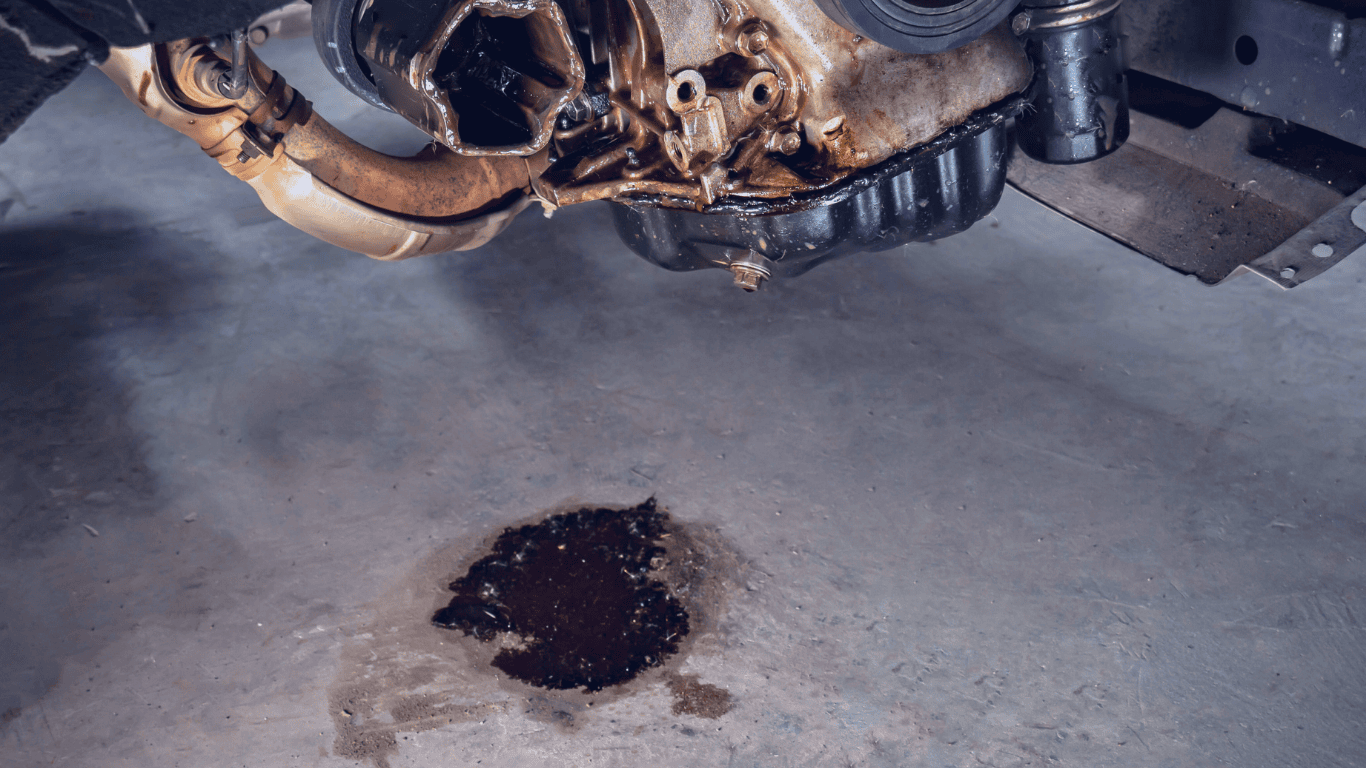
Your car’s oil pan sits beneath the engine like a safety net, collecting and storing the lifeblood that keeps metal components from grinding themselves to death. When this critical component fails, every mile you drive without sufficient oil brings you closer to engine catastrophe. What starts as a $400 repair can spiral into a $5,000 engine rebuild faster than you think.
Warning Signs Your Oil Pan Needs Attention
Dark puddles under your parked car are the most obvious sign of trouble. Fresh oil appears black or dark brown and feels slick between your fingers. If you’re seeing these stains regularly, your oil pan is losing the battle.
Finding yourself at the gas station buying quart after quart of oil between changes means that oil is going somewhere, and it’s probably dripping from a compromised oil pan.
The unmistakable smell of burning oil develops when oil hits hot engine components or your exhaust system. It creates a distinct acrid smell that gets stronger as you drive.
Engine overheating can signal oil starvation from a leaking pan. Without adequate lubrication, friction generates excessive heat. Your temperature gauge climbing toward the red zone deserves immediate attention.
Visible damage during routine maintenance like rust, cracks, or actual holes in the oil pan means replacement is inevitable.
What You’ll Actually Pay
Expect $300 to $1,500 for a complete oil pan replacement, with most jobs falling between $400 and $800.
Basic steel oil pans cost $100 to $200 and are the most common type. Aluminum oil pans run $150 to $300 and offer lighter weight with better heat dissipation. Performance or specialty pans cost $250 to $400 or more for enhanced capacity or racing applications.
Labor for straightforward replacement runs $200 to $400 for 2 to 4 hours of work. Complex jobs requiring subframe removal cost $600 to $1,100 and take 6 to 8 hours.
What Makes Some Repairs Cost More
Your vehicle type significantly impacts pricing. A Honda Civic oil pan replacement might run $400 to $600 while that same repair on a BMW could hit $1,200 to $1,500. European and luxury vehicles command premium parts and labor rates.
Accessibility is everything. Some oil pans are right there waiting for you while others hide behind subframes, exhaust systems, and suspension components. If your mechanic needs to disassemble half your car’s undercarriage, expect labor costs to multiply.
Shop choice impacts your wallet too. Independent mechanics often charge 20 to 30 percent less than dealers with personalized service. Dealerships offer premium pricing but specialized expertise and genuine parts. Chain shops provide middle-ground pricing with standardized procedures.
Geography plays a role as well. Urban shops charge more than rural ones, and some regions have notoriously high labor rates.
Smart Strategies to Save Money
Get quotes from at least three different shops. Price variations of $200 to $400 aren’t uncommon, and that’s money that stays in your pocket with a few phone calls.
OEM parts carry premium price tags, but quality aftermarket oil pans deliver reliable performance at 30 to 50 percent less cost. Look for reputable brands with good warranties.
Bundle with other maintenance when possible. Need an oil change or transmission service? Scheduling multiple undercarriage jobs together eliminates duplicate labor charges. Some shops also offer discounts during slower months or mid-week slots.
The DIY Decision
Consider DIY if you have solid mechanical experience and proper tools, a safe workspace with adequate clearance, time to research your specific vehicle’s requirements, and comfort working under a vehicle. Potential savings range from $200 to $800 in labor costs.
Hire a professional when the job requires special tools or subframe removal, you lack mechanical experience, you need warranty protection, or time constraints make DIY impractical.
Preventive Maintenance
Regular oil changes reduce corrosion and keep seals healthy, extending oil pan life. Monitor oil levels monthly because catching small leaks early prevents them from becoming major replacements.
Ask your mechanic to check the oil pan during oil changes or inspections. Drive defensively and avoid potholes, speed bumps taken too fast, and road debris that can crack or puncture the pan.
What to Expect During Replacement
Simple bolt-on jobs take 2 to 4 hours while complex repairs take 6 to 8 hours or overnight.
Your mechanic will drain all engine oil to prevent spills and environmental contamination, then remove obstructing components like splash shields, cross members, or exhaust pipes as needed. Next comes unbolting the damaged pan and thoroughly cleaning the engine block’s mounting surface. Old gasket material must come off completely for a proper seal.
Installing the new oil pan requires precise gasket placement and proper torque specifications to prevent future leaks. Finally, they’ll refill with fresh oil and run the engine to check for leaks.
Is It Really Your Oil Pan
Park on clean concrete or cardboard overnight. Fresh oil leaks appear dark and feel slippery while other fluids have different colors and consistencies. Red fluid indicates transmission or power steering issues. Green or orange fluid is coolant. Clear or light-colored fluid suggests brake fluid or water.
Oil filter housing leaks can drip onto the pan, mimicking pan damage. Valve cover gaskets also leak oil that runs down the engine sides. Drain plug issues create leaks that appear to come from the pan but actually originate from loose or damaged drain plugs.
When to Get Immediate Professional Help
Stop driving if you notice grinding or knocking engine noises because these sounds indicate oil starvation and imminent engine damage. Rapid oil loss of a quart or more between short trips signals a major leak requiring immediate service. Never ignore dashboard oil pressure warnings as they indicate dangerously low oil levels. Smoke from the engine bay means oil is hitting hot components and creating fire risk.
Common Mistakes That Cost More Money
Hoping that small leak will fix itself leads to engine damage costing thousands more than oil pan replacement. Every mile driven with insufficient oil brings you closer to catastrophic failure.
Extremely low quotes often mean corner-cutting on parts quality or proper procedures. That bargain repair might fail prematurely, doubling your costs.
A failing oil pan gasket might indicate other seal problems. Address multiple issues during one repair visit to save on labor costs.
Oil pan replacement looks simpler than it often is. Improper installation leads to persistent leaks, stripped threads, or worse damage requiring professional correction.
Common Questions About Oil Pan Replacement
Stop-leak products are temporary solutions at best. They can’t repair cracks or holes, and some formulations can damage seals or clog oil passages. For anything beyond the smallest gasket seep, replacement is the only reliable solution.
While oil pans typically last 100,000 miles or more, road damage can crack pans on vehicles of any age. Severe potholes, speed bumps, or road debris don’t discriminate based on odometer readings.
Always replace the oil pan gasket at the same time. Since labor represents most of the repair cost, replacing the gasket during oil pan replacement is essential. Installing a new pan with an old gasket virtually guarantees future leaks.
Small leaks become big leaks, often without warning. Even minor oil loss can lead to engine damage if levels drop too low. Address leaks promptly rather than gambling with expensive engine components.
Protecting Your Engine and Your Wallet
Oil pan replacement might not be the most exciting automotive repair, but addressing it promptly protects your engine and your wallet. Whether you’re dealing with a small seep or a significant leak, getting professional diagnosis and repair prevents the kind of catastrophic engine damage that turns a manageable repair into a financial disaster.
Ignoring warning signs like oil puddles, burning smells, or dashboard lights transforms a routine maintenance item into an emergency. The difference between a $500 oil pan replacement and a $5,000 engine rebuild often comes down to taking action when problems first appear. To keep your car running smoothly and extend the life of your tires, visit Sunbit’s auto repair directory of trusted auto mechanics and repair shops near you.