






Summary
This guide explores the various factors influencing clutch replacement costs, from parts and labor to vehicle type and additional repairs like flywheel resurfacing or hydraulic component replacement. It also details common warning signs of a failing clutch and provides tips for extending the lifespan of a new clutch through proper driving habits and maintenance.
Key Points
- Clutch replacement costs are primarily influenced by parts (clutch kit) and labor, with labor often being the larger expense due to the extensive work required.
- Vehicle make, model, drivetrain, and the choice between OEM, aftermarket, or performance parts significantly impact the final bill.
- Early detection of clutch issues can lead to significant savings by potentially allowing for flywheel resurfacing instead of full replacement.
- Practicing good driving habits, such as avoiding “riding” the clutch and smooth shifting, can extend the life of a new clutch.
- Regular maintenance, including checking hydraulic fluid and addressing minor symptoms promptly, is crucial for clutch longevity and avoiding more costly repairs.
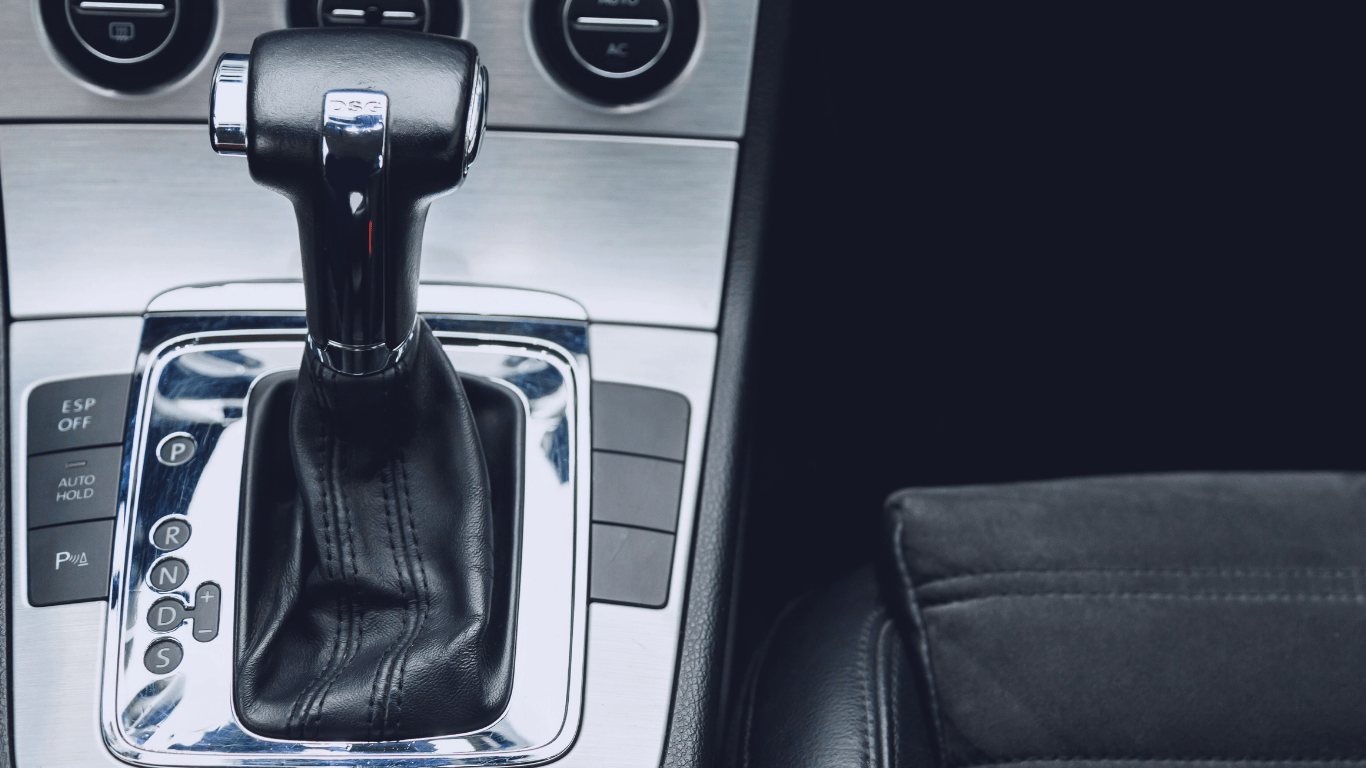
When your car starts slipping gears or feels sluggish during shifts, it may be a sign that your clutch is nearing the end of its life.
Clutch replacement is a critical repair that many car owners will eventually face, but understanding the costs involved can help you prepare for the expense and avoid any surprises.
The cost of replacing a clutch varies based on several factors, including the make and model of your car, the type of clutch system, and the labor involved.
In this guide, we’ll break down what affects clutch replacement costs, how to recognize the signs that it’s time for a replacement, and ways to save money without compromising on quality.
Parts vs. Labor: Where the Money Goes
When you get a clutch quote, you’re paying for two main components:
- The parts (clutch kit)
- The technician’s labor to install them
Understanding this breakdown helps you identify potential savings opportunities.
A complete clutch kit includes three main components:
- Disc
- Pressure plate
- Release bearing
Price range: $210 to $2,260, depending on whether you choose budget aftermarket sets or premium OEM performance packages.
Most mainstream vehicles fall in the lower half of that range, while specialty or high-torque applications command premium prices.
Labor quickly becomes the bigger expense. Your clutch sits between the engine and transmission, requiring mechanics to separate these massive components to access it.
Labor costs at a glance:
- Shop rates: $75–$150 per hour
- Time required: 4-8 hours for most cars
Even at a moderate rate of $120 per hour, six hours of work equals $720 in labor alone, before adding parts. With a mid-priced $550 kit, your total invoice climbs to approximately $1,270.
Several factors can extend labor time beyond the standard range:
- All-wheel-drive systems
- Transverse engines
- Tightly packaged engine bays
For example, a performance sedan like the Subaru WRX often has a quote of around $1,350, with nearly $780 of that being labor.
By contrast, a rear-wheel-drive compact with generous undercar space may cost significantly less than $1,000 because the transmission can be removed more quickly. The real budget-buster isn’t the parts; it’s the labor time. Any design that makes the transmission harder to remove directly impacts your bill.
4 Key Factors That Influence Your Final Bill
Two identical-mileage vehicles can have dramatically different repair costs. Your final bill depends on several variables; some are obvious, while others are hidden until work begins.
Here are the seven key factors that determine whether you pay closer to $800 or over $3,000.
1. Vehicle Make, Model, and Drivetrain
Drivetrain design directly determines labor hours. A rear-wheel-drive compact might take just four hours, while an all-wheel-drive Subaru WRX or transverse-mounted V6 can require twice that time.
The numbers tell the story:
- Economy cars: $500-$1,200
- 4WD trucks and SUVs: $1,000-$2,500 or more
2. Original Equipment Manufacturer (OEM) vs. Aftermarket vs. Performance Parts
Parts quality significantly impacts cost:
- Basic aftermarket kit: Starts around $210
- OEM or performance hardware: Adds 30-50% to parts cost, pushing some models past $1,000 for components alone
3. Flywheel Resurfacing or Replacement
Additional work on the flywheel impacts cost:
- Resurfacing a glazed or warped flywheel: $40-$100
- Replacing a damaged dual-mass flywheel: $200-$1,000+ in parts alone
4. Hydraulic Components
Hydraulic system issues often accompany clutch problems. Leaking slave or master cylinder replacement: Adds $600-$1,200 to your bill
Cost Breakdown by Vehicle Type
| Vehicle Type | Typical U.S. Range | Why the Difference? |
|---|---|---|
| Economy/Compact | $500 – $1,200 | Smaller clutch, easy access |
| Midsize/Standard | $800 – $1,600 | Moderate labor, mid-priced kit |
| 4WD Truck/SUV | $1,000 – $2,500+ | Heavier drivetrain, extra labor |
| Luxury/Performance | $1,500 – $3,000+ | Premium parts, specialty labor |
| Commercial/HD Vehicle | $2,000 – $3,000+ | Heavy-duty components, long labor time |
Understanding these factors helps you ask better questions, compare estimates fairly, and avoid surprises when the final invoice arrives.
Early Warning Signs Your Clutch Is Failing
Catching trouble early can be the difference between a straightforward repair and a wallet-draining overhaul.
Since the clutch hides inside the transmission bell housing, you’ll only know it’s wearing out through changes in how your car feels, sounds, or smells.
- Slipping under load: Engine races, but your car barely accelerates, especially on hills or during hard acceleration. The friction disc can no longer grip the flywheel properly.
- Gear changes that fight back: Resistance, hesitation, or grinding when selecting gears indicates the mechanism isn’t fully disengaging, creating unwanted friction.
- Sharp, acrid odor after driving: This signals overheating friction material caused by repeated slipping, literally, your money evaporating.
- Pedal personality changes: When your pedal suddenly feels spongy, rock-hard, or starts vibrating, it points to worn bearings or hydraulic issues.
- High biting point: When the engagement point creeps higher with each drive, your disc is likely nearing the end of its usable thickness.
- Clicks, squeaks, or rattles when pressing the pedal: Usually indicate a failing release bearing or warped pressure plate components.
Spotting these symptoms early can save you a significant amount of money. When caught in time, many shops can resurface and reuse your flywheel, saving you $200–$500 on the bill.
However, continuing to drive with these warning signs can cause a slipped disc to damage the flywheel or harm synchronizers, turning a routine job into major transmission surgery.
Extending the Life of Your New Clutch
Once you’ve invested in a new clutch, protecting that investment becomes crucial. A healthy system should last between 50,000 and 100,000 miles; however, this range varies widely depending on driving habits and maintenance.
By adjusting a few everyday behaviors, you can maximize your clutch’s lifespan.
Master Your Pedal Technique
- Keep your foot off the pedal when not shifting. Even gentle “riding” creates constant heat and friction that wear down the disc over time, similar to dragging your brakes.
- Use the parking brake on hills instead of balancing the car with the clutch. Holding the position with the pedal means deliberate slippage, which quickly glazes the flywheel and leads to premature failure.
Develop Smooth Shifting Habits
- Shift smoothly and match revs when downshifting. Full, deliberate pedal presses and gentle throttle inputs let the disc engage cleanly, preventing hot spots on the flywheel.
- Respect your vehicle’s load limits. Towing or hauling heavy cargo forces the system to transfer extra torque, accelerating wear. If you regularly haul heavy loads, consider upgrading to a heavy-duty kit during your next replacement.
Stay on Top of Basic Maintenance
- Check hydraulic fluid at every oil change. Low or aerated fluid prevents full disengagement, causing grinding and excess heat each time you shift.
- Address small symptoms immediately. A slight slip or spongy pedal often signals a minor fix—ignore it, and you risk scorched friction surfaces or damaged synchronizers that multiply repair costs.
By adopting these habits, you transform every mile into light exercise, rather than a punishing workout for your drivetrain, ensuring smooth shifts and lower maintenance costs for years to come.
Keep Your Clutch in Top Shape and Save on Repairs
Clutch replacement is an essential yet costly repair, but understanding the factors that influence the cost can help you make informed decisions and avoid unexpected expenses.
Regular maintenance and timely repairs can save you money in the long run while ensuring smooth performance.
If you’re unsure about the condition of your clutch or need expert advice on the replacement process, Sunbit’s auto repair directory is here to connect you with trusted professionals who can guide you through the process.