



Summary
Tartar is hardened plaque that can only be removed by professional dental cleaning, making prevention through daily oral hygiene your best defense against this common oral health problem. Once plaque hardens into tartar (usually within 24-72 hours), it creates a rough surface that attracts more bacteria and can lead to gum disease, cavities and bad breath. Professional tartar removal typically costs $75-200 per cleaning and is covered by most dental insurance plans every six months. Daily brushing with fluoride toothpaste, flossing and using antimicrobial mouthwash can prevent most tartar formation, while regular dental cleanings remove what home care can’t reach. Understanding the difference between plaque and tartar, recognizing early warning signs and maintaining consistent preventive care can save you from more expensive treatments later.
Key Points
- Tartar is hardened plaque that requires professional removal
- Forms within 24-72 hours if plaque isn’t removed daily
- Professional cleaning costs $75-200, covered by most insurance
- Daily brushing, flossing and mouthwash prevent 90% of tartar buildup
- Prevention is much cheaper than treating resulting dental problems
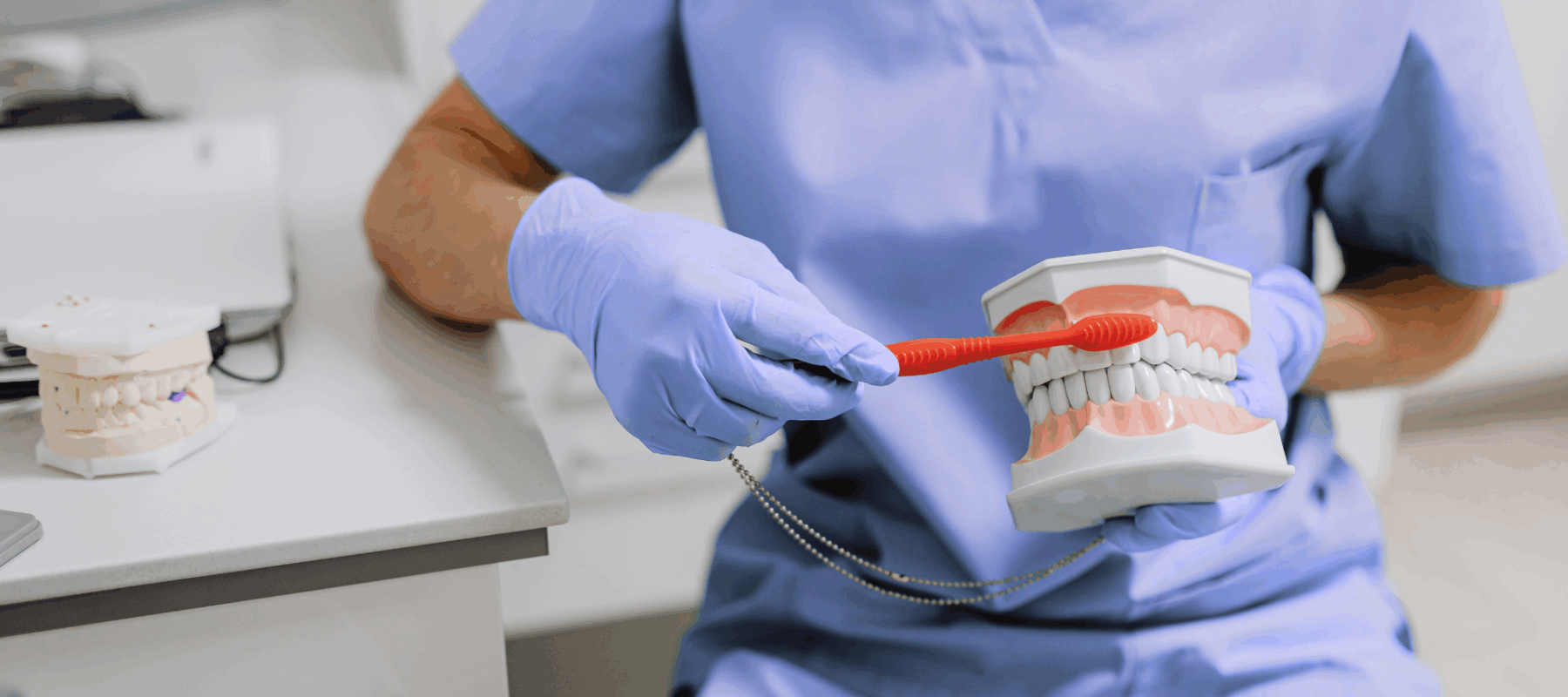
If you’ve ever felt rough, hard deposits on your teeth that won’t come off with brushing, you’ve encountered tartar buildup. This common dental problem affects nearly everyone to some degree, but understanding how tartar forms and how to prevent it can help you maintain healthier teeth and gums while avoiding more costly dental treatments.
The key to managing tartar is knowing that once it forms, only professional cleaning can remove it, making prevention through daily oral care your most important and cost-effective strategy for long-term oral health.
Understanding Plaque vs. Tartar: The Critical Difference
To effectively prevent tartar buildup, it’s essential to understand the relationship between plaque and tartar and how one inevitably leads to the other. Think of this as understanding the difference between wet cement and dried concrete, both start as the same material, but time changes everything.
Plaque: The Soft Beginning
Plaque is like the morning dew of your mouth, it forms naturally and constantly, appearing as a soft, sticky film of bacteria that’s colorless or pale yellow when it first develops. Within hours after cleaning your teeth, this bacterial film begins accumulating, fed by the sugars and starches from your food and drinks.
The process is remarkably organized for something so microscopic. Bacteria stick to your teeth, food particles attach to the bacteria and then those bacteria feast on the sugars, producing acids that can damage tooth enamel. As bacteria multiply, they form a protective biofilm that shields them from your immune system and antimicrobial substances.
The good news about plaque is that it’s completely manageable with proper brushing and flossing. It’s soft, removable and responds well to daily oral care when you stay consistent with your routine.
Tartar: When Plaque Gets Stubborn
Tartar is what happens when plaque decides to make itself at home permanently. This hard, calcified deposit bonds tightly to your teeth like barnacles on a ship’s hull. Unlike its soft predecessor, tartar appears yellow, brown, or even black depending on staining from food, drinks and tobacco.
The transformation from plaque to tartar happens surprisingly quickly. Plaque begins hardening within 24-48 hours and complete calcification usually occurs within 72 hours. During this process, the plaque absorbs calcium and phosphate from your saliva, undergoing a chemical change that transforms the soft, removable film into a hard, cement-like substance.
Once this transformation is complete, the rough, porous surface of tartar becomes a magnet for more bacteria, creating a vicious cycle that can only be broken by professional intervention. No amount of brushing, flossing, or special rinses can remove tartar once it’s formed.
Why This Difference Changes Everything
Understanding this progression has profound implications for your oral health strategy. While plaque responds to daily home care, tartar requires professional tools and expertise for safe removal. This means the cost difference between prevention and treatment can be dramatic, daily prevention costs pennies, while professional treatment costs hundreds of dollars.
More importantly, tartar causes more severe oral health problems than plaque alone. Its rough surface harbors bacteria more effectively, leading to accelerated gum disease, cavity formation and persistent bad breath that doesn’t improve with normal oral hygiene.
How Tartar Forms and Where It Attacks
Tartar isn’t random in its formation, it has favorite spots where conditions are perfect for plaque to harden and thrive. Understanding these vulnerable areas helps you target your prevention efforts more effectively.
The Usual Suspects: High-Risk Zones
Tartar loves to set up camp along your gum line, where saliva naturally pools and provides the minerals needed for calcification. The spaces between your teeth are another prime target, particularly areas that are difficult to reach with standard brushing techniques.
Behind your lower front teeth is perhaps the most notorious tartar territory. This area sits near major salivary glands, providing a constant supply of minerals for calcification. The inside surfaces of your molars face similar challenges, being harder to clean thoroughly and often neglected during routine brushing.
If you have dental work like crowns, bridges, or fillings, these restorations create additional hiding spots where bacteria can accumulate undisturbed. The margins where dental work meets natural tooth structure are particularly vulnerable because they can create tiny ledges that trap bacteria and make cleaning more challenging.
The Perfect Storm: Why These Areas Are Vulnerable
These high-risk areas share common characteristics that make them tartar magnets. They’re often difficult to access with standard cleaning tools, experience patterns of saliva flow that deposit minerals and provide spaces where food particles naturally get trapped.
Bacterial communities thrive in these protected areas because they’re partially shielded from the mechanical action of brushing and the antimicrobial effects of saliva flow. It’s like bacteria finding a cozy cave where they can multiply undisturbed.
Individual Risk Factors: Why Some People Get More Tartar
Not everyone develops tartar at the same rate and understanding your personal risk factors helps you adjust your prevention strategy accordingly. Some people naturally produce saliva with higher mineral content, which accelerates the calcification process. Others produce less saliva overall, creating conditions where bacteria can accumulate more easily.
Your tooth alignment plays a significant role as well. Crowded or crooked teeth create cleaning challenges that allow plaque to persist long enough to harden. As we age, tartar formation tends to increase, possibly due to changes in saliva composition and decreased manual dexterity affecting cleaning effectiveness.
Genetics also plays a part, some families simply seem more prone to rapid tartar formation despite similar oral hygiene habits. If your parents struggled with tartar buildup, you might need to be extra vigilant about prevention.
Lifestyle factors can dramatically accelerate tartar formation. Poor oral hygiene obviously tops the list, but dietary choices matter too. Diets high in sugars and starches provide more fuel for bacteria, while smoking and tobacco use reduce saliva flow and increase tartar formation rates.
Certain medical conditions and medications can also affect your tartar risk. Diabetes can alter saliva composition and flow, autoimmune conditions may impact oral health and healing and hormonal changes during pregnancy or menopause can affect tartar formation patterns.
Professional Tartar Removal: What to Expect
Once tartar has formed, professional dental cleaning becomes necessary. Understanding what this involves helps reduce anxiety and ensures you get the most from your cleaning appointments.
The Cleaning Process: Systematic and Thorough
Professional tartar removal, called scaling, is both an art and a science. Your dental hygienist will use ultrasonic scalers that employ vibrations to break up large tartar deposits, followed by hand instruments for precise removal of stubborn tartar in tight spaces. This systematic approach ensures all tooth surfaces above and below the gum line are thoroughly cleaned.
The process typically takes 30-60 minutes depending on the extent of tartar buildup. Don’t be surprised if your hygienist spends extra time in areas where tartar tends to accumulate heavily, this thoroughness is what makes professional cleaning so effective.
After scaling, polishing removes surface stains left by tartar and daily activities while smoothing tooth surfaces to make future plaque attachment more difficult. A final fluoride treatment strengthens tooth enamel and provides additional protection against bacterial acids.
Different Types of Cleaning for Different Needs
Routine prophylaxis, or standard cleaning, costs $75-150 and is appropriate every six months for most people with minimal tartar and healthy gums. This 30-45 minute procedure handles normal tartar accumulation effectively.
When tartar has accumulated below the gum line or gum disease has developed, deep cleaning becomes necessary. This scaling and root planing procedure costs $200-800 per section of your mouth and involves more intensive cleaning of root surfaces. The process often takes 1-2 hours and may be split across multiple visits.
For patients with a history of gum disease, periodontal maintenance every 3-4 months costs $100-200 and prevents recurrence of periodontal problems. This ongoing care is essential for maintaining oral health after successful gum disease treatment.
Cost and Coverage: Making Professional Care Accessible
Most dental insurance plans recognize the value of prevention and cover routine cleaning at 100% twice per year. Deep cleaning is often covered at 50-80% when medically necessary, though additional cleanings may require pre-authorization.
To maximize your insurance benefits, stay on schedule with regular cleanings to prevent the need for expensive deep cleaning procedures. Don’t let annual benefits go unused, they don’t typically roll over to the next year. Dental schools often offer reduced-cost cleaning by supervised students and many offices provide payment plans for extensive treatment.
Effective Prevention: Your Daily Defense Strategy
Preventing tartar formation is much easier, more comfortable and less expensive than removing it once it’s established. The goal is to remove plaque before it has time to harden and this requires consistent daily attention.
Building an Optimal Daily Routine
Your daily oral hygiene routine is like a daily maintenance program for your mouth. Brushing twice daily for at least two minutes using proper technique removes most plaque before it can harden. Use a soft-bristled toothbrush at a 45-degree angle to your gum line, employing gentle circular motions rather than aggressive scrubbing.
Fluoride toothpaste is essential for strengthening enamel against bacterial acids, while tartar-control formulas may provide additional benefits for some people. Replace your toothbrush every 3-4 months or when bristles begin to fray.
Flossing once daily, preferably before bedtime, removes plaque from between teeth where your toothbrush can’t reach. Whether you use traditional floss, floss picks, or water flossers, the key is consistent daily use with proper technique. Create a C-shape around each tooth and gently slide the floss below the gum line.
Antimicrobial mouthwash serves as the final step in your daily routine, reaching areas that brushing and flossing might miss. Look for products with antiseptic properties and rinse for 30 seconds as directed. This extra step can significantly reduce bacteria in your mouth.
Specialized Tools for Enhanced Protection
Electric toothbrushes can remove up to 11% more plaque than manual brushing, which translates to less tartar formation over time. Many models include built-in timers to ensure adequate brushing time and pressure sensors to prevent aggressive brushing that can damage gums.
Tartar-control toothpaste containing pyrophosphates or zinc compounds may slow tartar formation by 15-30%. While these products can’t remove existing tartar, they provide an extra layer of protection when used consistently.
Water flossers offer excellent supplemental cleaning, particularly for people with dexterity issues, braces, or other challenges that make traditional flossing difficult. They’re especially effective at reducing bacteria and food particles from areas that are hard to reach.
Dietary Strategies for Tartar Prevention
Your diet plays a significant role in tartar formation through its effect on the bacteria in your mouth. Foods high in sugars and starches feed the bacteria that produce plaque, while acidic foods can weaken enamel and create favorable conditions for bacterial growth.
Focus on protective dietary choices like crunchy fruits and vegetables that provide natural cleaning action, dairy products that supply calcium and protective proteins and plenty of water to help rinse away food particles and bacteria.
Timing matters as much as food choices. Limit snacking frequency to reduce repeated acid attacks on your teeth, eat sweets with meals when increased saliva flow helps neutralize acids and rinse with water after eating to remove food particles. Wait 30-60 minutes after consuming acidic foods before brushing to avoid damaging temporarily softened enamel.
Special Situations: Adapting Your Approach
Different life stages and circumstances require modified approaches to tartar prevention due to unique challenges or increased risk factors.
Children and Teenagers: Building Lifelong Habits
Young people face unique challenges in tartar prevention. Their oral hygiene skills are still developing, they may need supervision and reminders for proper technique and dietary habits often include higher sugar consumption that increases bacterial activity.
Orthodontic appliances create additional cleaning challenges by providing more surfaces for plaque accumulation and making thorough cleaning more difficult. The key is adapting strategies to make oral hygiene engaging and manageable.
Fun tools like colorful toothbrushes and flavored toothpaste can encourage regular use, while apps and timers make brushing time more engaging. Parental involvement remains important until proper habits are fully established and more frequent dental check-ups provide additional monitoring during high-risk periods.
Older Adults: Overcoming New Challenges
Aging brings increased tartar risk through multiple pathways. Many medications reduce saliva production, creating an environment where bacteria can accumulate more easily. Physical limitations from arthritis or other conditions may impair cleaning ability, while gum recession exposes root surfaces that are more susceptible to tartar formation.
Dental work becomes more common with age, creating additional retention sites where tartar can accumulate. Electric toothbrushes often help those with limited dexterity, while large-handle tools are easier to grip for people with arthritis.
Some older adults may benefit from professional cleaning every 3-4 months instead of the standard six-month interval. Working with healthcare providers to address medication-related dry mouth can also significantly improve oral health outcomes.
People with Braces: Managing Extra Challenges
Orthodontic appliances create a perfect storm for tartar formation. Brackets and wires limit access for cleaning, create more areas where food particles can hide and require modified cleaning techniques that many patients struggle to master initially.
Essential tools for orthodontic patients include interdental brushes for cleaning around brackets and wires, water flossers for effective supplemental cleaning and orthodontic floss designed to thread under wires. The investment in specialized tools pays dividends in preventing tartar buildup and maintaining oral health during treatment.
Smokers and Tobacco Users: Fighting an Uphill Battle
Tobacco use significantly increases tartar risk through multiple mechanisms. It reduces saliva flow, compromises immune response and creates staining that makes tartar more visible and concerning. The combination also dramatically increases gum disease risk.
Enhanced prevention becomes essential for tobacco users. More frequent professional cleanings every 3-4 months may be necessary, along with intensive home care that may include antimicrobial rinses. However, cessation remains the most effective strategy, providing immediate oral health benefits and dramatically reducing long-term risks.
When Prevention Fails: Recognizing Problems Early
While tartar buildup is common, recognizing when it becomes a serious problem helps prevent significant oral health and financial consequences.
Health Consequences: The Domino Effect
Untreated tartar creates a cascade of oral health problems. It begins with gingivitis, early gum inflammation that’s still reversible with treatment. However, without intervention, this progresses to periodontitis, an advanced gum disease that can cause tooth loss through destruction of the bone supporting your teeth.
Recent research has also identified possible connections between advanced gum disease and systemic health issues including heart disease and diabetes, making tartar prevention even more important for overall health.
Tartar accelerates tooth decay by providing a protected environment for harmful bacteria that continuously produce cavity-causing acids. The rough surface of tartar can hide developing cavities from view, allowing decay to progress faster and further than it would otherwise.
The aesthetic concerns are also significant. Visible yellow, brown, or black deposits create an unclean appearance, while bacterial activity in tartar creates persistent halitosis that doesn’t improve with normal oral hygiene. Gum recession from tartar-related inflammation makes teeth appear longer and can create sensitivity.
Financial Impact: The Cost of Delay
The financial progression from prevention to treatment is dramatic. Daily oral hygiene supplies cost $0.50-2.00 per day, while regular cleaning costs $75-200 every six months. However, when gum disease develops, deep cleaning can cost $200-800 per section of your mouth.
If problems progress to requiring restorative treatment, costs can reach $1,000-5,000 or more for crowns, implants, or extensive reconstruction. Insurance complications often arise with advanced treatment, as annual maximums may not cover extensive procedures and waiting periods may apply for new coverage.
Warning Signs: When to Seek Help
Visual signs that warrant professional attention include hard, rough deposits along the gum line that don’t brush away, yellow, brown, or black staining especially near the gums and thick buildup that you can feel with your tongue.
Physical symptoms requiring evaluation include bleeding during brushing or flossing, swollen, red, or tender gums, gums pulling away from teeth and persistent bad breath or taste that doesn’t improve with better oral hygiene.
Tooth-related symptoms like increased sensitivity to temperature or sweet foods, a rough feeling when running your tongue over teeth and difficulty cleaning certain areas effectively all suggest tartar accumulation that needs professional attention.
DIY Approaches: What Works and What Dangers to Avoid
Understanding safe at-home strategies versus potentially harmful DIY attempts protects your oral health while maximizing your prevention efforts.
Safe and Effective Home Strategies
Intensive oral hygiene through more frequent brushing and flossing can help manage plaque before it hardens. Tartar-control toothpaste may slow new formation, while some people find oil pulling helpful for bacterial reduction. Healthy dietary changes that reduce sugar intake and increase protective foods support your prevention efforts.
Safe cleaning enhancements include upgrading to an electric toothbrush for more effective plaque removal, adding a water flosser for better cleaning between teeth and incorporating antimicrobial rinse to reduce bacterial load. Most importantly, maintain regular dental visits for professional monitoring and cleaning.
Dangerous DIY Methods to Avoid
Never attempt to remove tartar with metal tools or scrapers, as these can permanently damage enamel and gums. Acidic solutions like lemon juice or vinegar can erode tooth enamel, while abrasive substances like baking soda paste or salt scrubs can scratch teeth.
Internet “miracle cures” are typically unproven and potentially harmful. Professional removal is necessary because it requires specialized tools designed specifically for safe tartar removal, proper technique that prevents damage and the ability to access all areas safely.
Frequently Asked Questions
Can tartar form even with good oral hygiene?
Yes, some people are more prone to tartar formation due to genetics, saliva composition, or other factors. However, good oral hygiene significantly reduces the amount and speed of formation.
How often should I get professional cleaning if I’m prone to tartar?
Most people need cleaning every 6 months, but those prone to rapid tartar formation may benefit from cleanings every 3-4 months.
Does tartar-control toothpaste really work?
Tartar-control toothpaste can slow new tartar formation by 15-30% but cannot remove existing tartar. It’s helpful as an addition to, not replacement for, professional cleaning.
Is tartar removal painful?
Professional tartar removal during routine cleaning is typically not painful. However, extensive buildup or sensitive teeth may cause some discomfort.
Why does tartar form more in some areas than others?
Tartar forms more where saliva pools (providing minerals) and where cleaning is difficult (allowing bacterial accumulation), such as along the gum line and between teeth.
Creating Your Personal Prevention Strategy
Developing a customized approach to tartar prevention helps you maintain optimal oral health while minimizing costs and complications.
Understanding your risk level guides your prevention strategy. Low-risk individuals with good oral hygiene habits, regular dental visits, no tobacco use and healthy diets can typically manage with standard routines and regular six-month cleanings.
High-risk individuals with a history of rapid tartar formation, gum disease, tobacco use, dry mouth conditions, or systemic diseases like diabetes need enhanced prevention strategies. This might include electric toothbrushes, antimicrobial rinses, more frequent professional cleanings every 3-4 months and lifestyle modifications to address controllable risk factors.
Long-term success depends on developing consistent habits, maintaining open communication with your dental team and staying informed about new tools and techniques. Remember that prevention is always easier and less expensive than treatment.
Understanding tartar buildup and how to prevent it puts you in control of your oral health and can save you significant money over time. The investment in good oral hygiene supplies and regular professional cleaning is minimal compared to the cost of treating advanced dental problems that result from neglected tartar buildup.
By maintaining consistent daily oral care and keeping up with professional cleanings, you can keep tartar under control and enjoy healthier teeth and gums for years to come.