



Summary
This article explores eight essential vitamins and minerals, calcium, vitamin D, potassium, phosphorus, vitamin K, vitamin C, vitamin A, and B vitamins, that are crucial for maintaining strong teeth and healthy gums. It highlights how these nutrients, primarily found in everyday foods, help prevent cavities, support enamel strength, and reduce the risk of gum disease, offering a cost-effective approach to dental health. The article also provides budget-friendly food sources and practical tips for optimal absorption and concludes with considerations for supplementation.
Key Points
- Calcium and Vitamin D are fundamental for strong enamel and bone density.
- Potassium and Phosphorus work together to maintain enamel strength and repair.
- Vitamins K, C, and A play vital roles in gum health, collagen production, and saliva function.
- B vitamins are essential for gum tissue repair and reducing inflammation.
- A “food-first” approach is recommended, with supplementation considered only for confirmed deficiencies or restrictive diets.
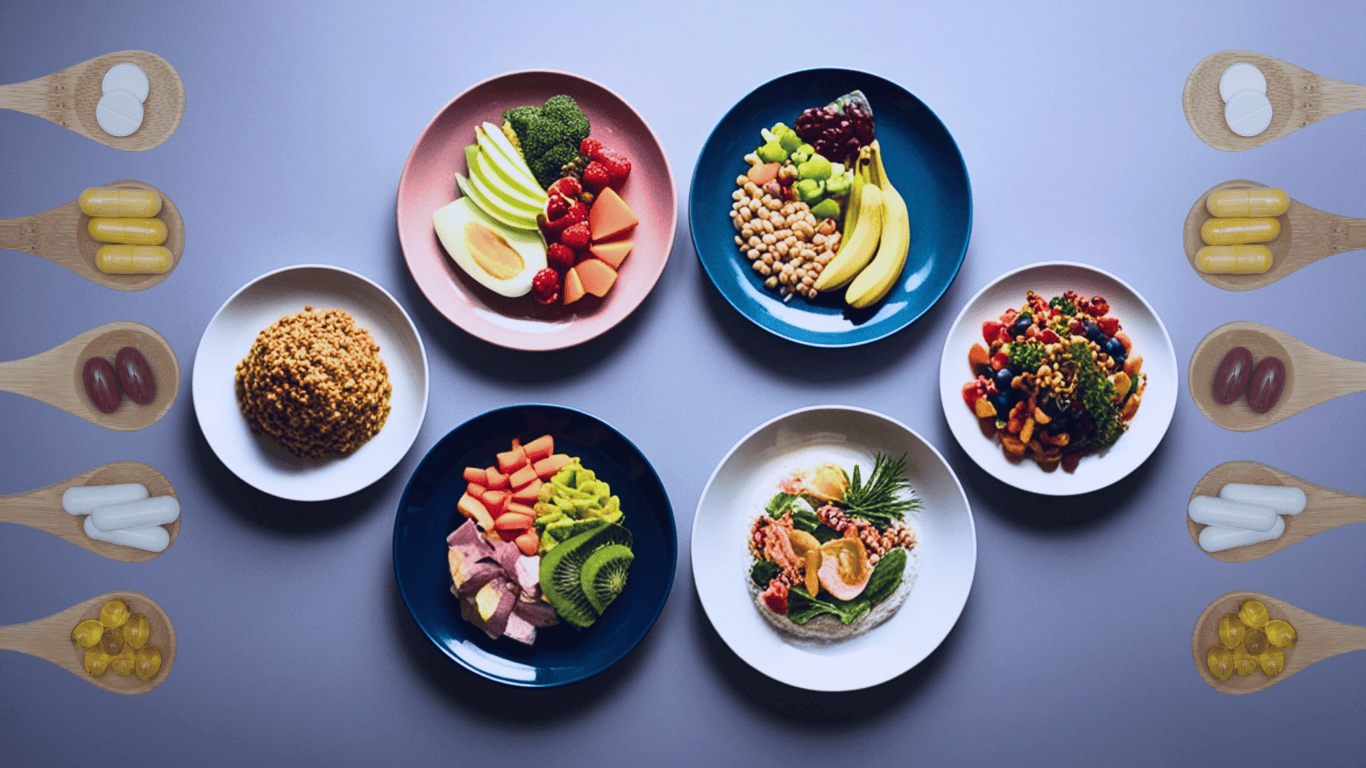
Imagine reducing your cavity risk by almost half without adding another step to your brushing routine.
Diets rich in essential micronutrients can support enamel strength and gum health, potentially reducing the risk of tooth decay. If rising dental bills have you second-guessing that next check-up, focusing on what fills your grocery cart may be the most cost-effective preventive strategy you have.
The good news is you don’t need exotic powders or pricey supplements. We’ll guide you through eight powerhouse vitamins and minerals, most hiding in everyday foods, that can help you fend off cavities and avoid painful procedures.
1. Calcium: The Foundation of Strong Enamel
Your enamel is the hardest substance in your body, and it relies entirely on calcium for its crystalline strength. About 99% of the calcium you absorb gets locked into your bones and teeth, so when your intake drops, enamel starts to thin and cavities find their opening.
Budget-Friendly Calcium Sources:
- Milk or fortified plant milk
- Plain yogurt
- Steamed broccoli
- Canned salmon with the bones
Pro Tip: Pair any of these foods with vitamin D, whether that’s a ten-minute sun break or sardines at lunch, and you’ll increase calcium absorption by 20–40%, giving your smile extra protection against decay.
2. Vitamin D: Calcium’s Absorption Sidekick
Vitamin D acts as a transport system for calcium, helping your body absorb calcium and phosphorus from food, which can then strengthen the enamel and support jawbone density. Without adequate vitamin D, enamel weakens and cavities form more easily.
Getting Vitamin D on a Budget:
- Sunlight: Just 10 to 15 minutes of midday sun exposure helps your skin produce a day’s worth of vitamin D naturally.
- Fatty fish: Salmon or sardines deliver both vitamin D and calcium.
- Budget option: Canned sardines offer exceptional value; one three-ounce can costs under a dollar yet provides nearly half your daily vitamin D needs plus bone-building calcium.
- Fortified dairy or plant milks: Work well when sunlight or seafood isn’t available.
3. Potassium: The Acid-Base Balancer
Every sip of coffee or bite of citrus nudges the pH in your mouth toward the acid zone, where enamel begins to soften. Potassium steps in as a natural buffer, helping you keep those acids in check so minerals can stay locked into the outer shell of each tooth.
This essential mineral works in conjunction with magnesium to support bone mineral density, important to consider, given that your jawbone serves as the anchor that holds every tooth in place.
Potassium is associated with better oral health outcomes, but it does not directly neutralize acids that attack your enamel.
Budget-Friendly Potassium Sources:
- Bananas: Portable and perfect for on-the-go snacking
- Tomatoes: Fresh or canned varieties work great
- Sweet potatoes: Roast them for a naturally sweet side dish
- Lima beans: Add to soups or stews for extra nutrition
Quick Snack Hack: Slice a banana, add a spoonful of peanut butter, and you’ve got an on-the-go option that tames mouth acids while keeping you satisfied.
This combination delivers potassium plus protein to help stabilize your mouth’s pH balance throughout the day.
4. Phosphorus: Enamel’s Repair Partner
Think of phosphorus as the handyman who shows up whenever your enamel needs patching. Phosphorus acts like a handyman for your teeth, working side-by-side with calcium to help remineralize microscopic weak spots in your enamel. Beyond enamel repair, phosphorus supports DNA production and soft-tissue healing, so your mouth bounces back faster after everyday wear and tear.
Affordable Phosphorus Sources:
- Eggs
- Poultry
- Lentils
- Canned tuna (swapping fresh fish for canned can cut your grocery bill by more than half)
Absorption Tip: Your body absorbs both minerals most effectively when calcium and phosphorus are in balance, so aim to enjoy them together in the same meal.
5. Vitamin K: The Cavity Blocker
Vitamin K helps activate proteins that support healthy calcium metabolism, particularly benefiting bones and possibly contributing indirectly to dental health.
K1 (found in leafy greens) and K2 (found in fermented foods and cheeses) are both important, with K2 being especially noted for its role in bone health.
Budget-Friendly K1 Sources:
- Spinach
- Kale
- Broccoli
- Brussels sprouts
Preparation Tip: Lightly steaming these greens helps you retain more than 90% of their vitamin K content.
Synergy Benefit: Pairing vitamin K-rich foods with adequate vitamin D creates a powerful calcium regulation system, giving your teeth an extra line of defense against decay.
6. Vitamin C: Gum Guard and Collagen Booster
Think of vitamin C as the scaffolding crew for your smile. Your body uses it to weave collagen, the protein that keeps gum tissue firm and ligaments tight around each tooth, while its antioxidant punch calms inflammation triggered by oral bacteria.
When you fall short, gums bleed easily, and early periodontal disease can take hold; a pattern well-documented by dental experts examining nutrient gaps and gum health.
Excellent Vitamin C Sources:
- Oranges
- Bell peppers
- Strawberries
- Potatoes
- Frozen berries (often cheaper than fresh)
Quick Nutritional Win: Blend one cup of frozen strawberries with a handful of spinach, water, and a splash of yogurt for breakfast. This smoothie provides approximately 150% of your daily vitamin C requirements.
Important Note: Since vitamin C is water-soluble and not stored in the body, it is best to obtain fresh sources daily rather than relying on megadose supplements. Your gums will thank you.
7. Vitamin A: Saliva and Soft-Tissue Support
Strong teeth need more than just minerals.
Vitamin A maintains the mucous membranes lining your cheeks and gums, which serve as barriers that protect against infection and support oral health.
Your mouth’s natural rinse cycle neutralizes acids and sweeps away food particles before cavity-causing bacteria can feed.
Without enough vitamin A, you’re setting yourself up for dry mouth, slow healing after dental work, and recurring gum infections. Your saliva acts as the first line of defense against decay, so keeping this nutrient in your diet directly supports your mouth’s natural cleaning system.
Affordable Vitamin A Sources:
- Orange and dark-green produce (containing beta-carotene, the plant form of vitamin A)
- Carrots and sweet potatoes
- Spinach and leafy greens
- Cage-free eggs (highly absorbable vitamin A)
Absorption Tip: Lightly roasting carrots can boost beta-carotene availability. Gentle heat makes each bite work harder for your smile.
8. B Vitamins (B2, B3, B12, Folate): Energy for Healthy Gums
Your gums rely on a powerhouse of nutrients collectively known as B-complex vitamins, which are critical for cell repair and reducing inflammation. These nutrients play different roles:
- B2 (riboflavin) and B3 (niacin): Help maintain healthy gums
- B12 (cobalamin): Supports red blood cell production, essential for gum health
- Folate (B9): Aids in the repair of gum tissue
Budget-Friendly B Vitamin Sources:
- Whole-grain bread
- Black beans
- Almonds
- Leafy greens
Family-Friendly Option: A 30-minute bean and veggie chili can cover more than 30% of your daily B9 and B6 needs, making it a practical addition to your meals.
Special Diet Note: If you follow a vegetarian or vegan diet, be mindful to find B12 sources like fortified cereals.
Incorporating these essential nutrients not only improves gum health but can also significantly reduce mouth sores and inflammation, helping ensure a healthy smile naturally and affordably.
Bonus Consideration: Should You Take a Supplement?
A “food-first” approach works best because your body absorbs nutrients more efficiently from whole foods than from pills.
A balanced plate typically meets daily needs while providing fiber and protective phytonutrients that you won’t find in a capsule.
However, nutritional gaps do occur, and research has shown clear links between nutrient deficiencies and oral health issues such as bleeding gums or weakened enamel.
Important Considerations:
- Supplements land on store shelves without FDA pre-approval
- Look for third-party seals like USP or NSF
- Run any new regimen past your dentist or physician, especially if you take prescription medications
When Supplements Make Sense:
- Following a restrictive diet (vegans often need B12)
- Having limited sun exposure that affects vitamin D levels
- When your doctor confirms a deficiency through blood work
If you’re unsure about your nutritional needs, consider consulting your dentist or a registered dietitian to create a personalized nutrition plan that suits your lifestyle and helps keep your smile strong.
Keep Your Smile Strong with the Right Nutrients
Vitamins like calcium, vitamin D, and vitamin C, along with minerals like potassium and phosphorus, play a vital role in supporting your teeth and gums. By focusing on nutrient-rich foods, you can prevent tooth decay, gum disease, and even systemic health issues that begin in your mouth.
By incorporating these essential vitamins into your daily routine, you’ll safeguard your smile and reduce the need for costly dental treatments in the future.
If you’re looking for more personalized guidance on your oral health, explore Sunbit’s dental provider directory to find a trusted dentist near you who can help with both preventive care and any nutritional concerns that might impact your smile.