






Summary
Wisdom teeth removal is one of the most common oral surgery procedures, helping to prevent crowding, decay, and other complications when these third molars don’t have enough space to emerge properly. Costs typically range from $75 to $400 per tooth for simple tooth extractions and $132 to $700 for impacted teeth that require surgical removal. The total cost for removing all four wisdom teeth generally falls between $1,000 and $3,000, depending on the complexity of the extractions and the type of anesthesia used. Several factors influence pricing, including your geographic location, the oral surgeon’s experience, and whether you have dental insurance coverage. Understanding these costs upfront helps you budget effectively and explore financing options that make treatment accessible.
Key Points
- Simple wisdom tooth extraction typically costs $100-$400 per tooth
- Surgical removal of impacted teeth ranges from $250-$1,100 per tooth
- Removing all four wisdom teeth typically costs $1,000-$3,000 total
- Anesthesia type significantly impacts the final bill
- Geographic location and provider experience affect pricing
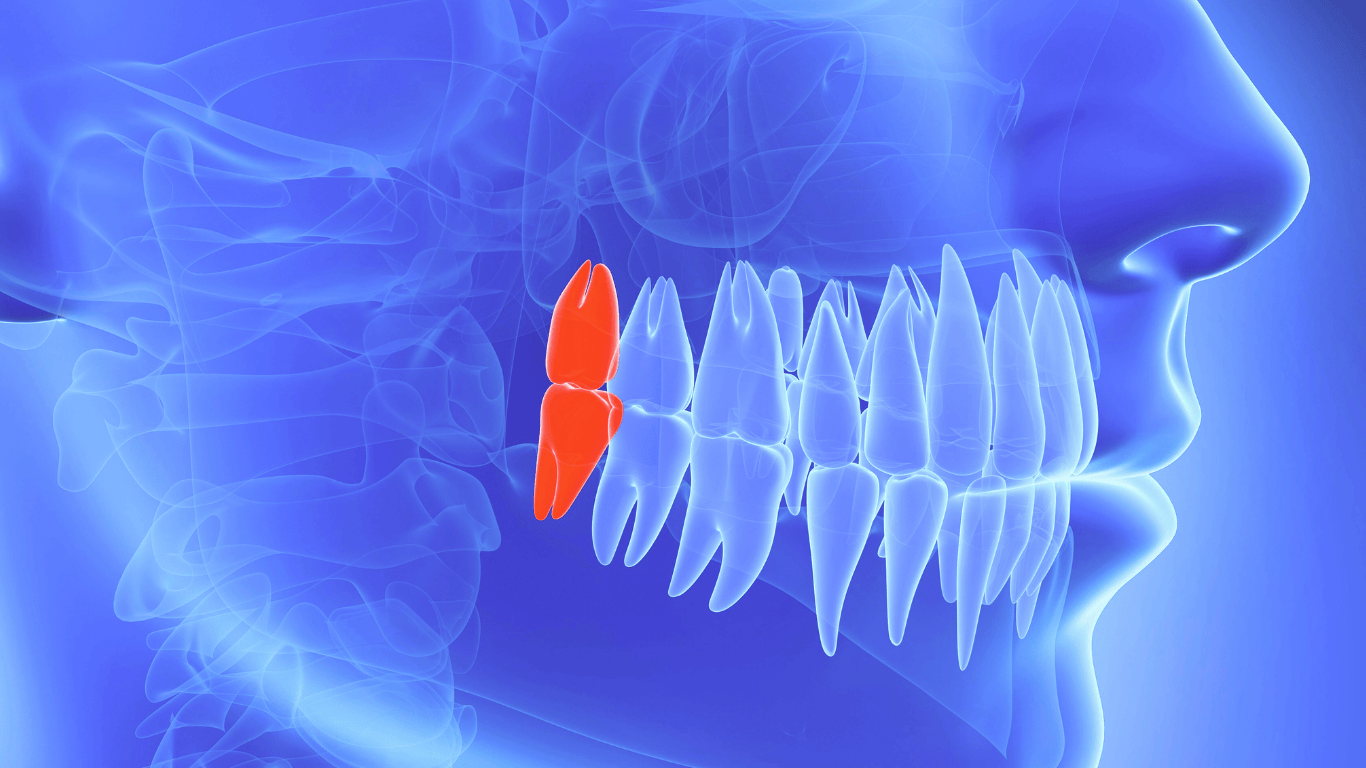
If you’re facing wisdom teeth removal, one of the first concerns that likely comes to mind is the cost. Whether it’s for yourself or a family member, the expense of oral surgery can feel overwhelming, especially when you’re not sure what to expect.
Don’t worry—you’re not alone in wondering about wisdom teeth removal costs. The good news is that understanding the factors that influence pricing and knowing your options can help you make informed decisions about your oral health care.
This guide will walk you through everything you need to know about wisdom teeth removal costs, from the most affordable simple extractions to more complex surgical procedures, plus practical strategies for managing the expense.
What Is Wisdom Teeth Removal?
Wisdom teeth removal is a surgical procedure to extract the third set of molars that typically emerge in late teens or early twenties. These teeth often cause problems because most people’s mouths don’t have enough space to accommodate them properly.
The procedure becomes necessary when wisdom teeth are impacted (unable to fully emerge), causing pain, crowding other teeth, or creating areas that are difficult to clean and prone to decay and gum disease. Early removal often prevents more serious complications and costly treatments later.
During the procedure, an oral surgeon or dentist removes one or more wisdom teeth, depending on your specific situation. The complexity of the extraction—whether the tooth is fully erupted, partially emerged, or completely impacted—determines the surgical approach and associated costs.
Most wisdom teeth removals are outpatient procedures performed in a dental office or oral surgery center, with patients going home the same day to recover.
Factors That Affect Wisdom Teeth Removal Cost
Several key factors influence how much you’ll pay for wisdom teeth removal, and understanding these helps you budget more effectively for treatment.
Extraction Complexity
The biggest cost driver is how difficult it is to remove each tooth. Simple extractions of fully erupted teeth cost significantly less than surgical removal of impacted teeth that require incisions and bone removal.
Number of Teeth Being Removed
Removing a single tooth costs less than multiple extractions, but many oral surgeons offer package pricing for all four wisdom teeth that can reduce the per-tooth cost when done together.
Type of Anesthesia
Your comfort level during the procedure directly impacts cost. Local anesthesia is typically included in the base price, while nitrous oxide, IV sedation, or general anesthesia add significant fees.
Geographic Location
Where you live makes a substantial difference in pricing. Urban areas and regions with higher costs of living typically have higher dental fees than rural locations.
Provider Experience and Type
Board-certified oral surgeons often charge more than general dentists, but their specialized training may be necessary for complex cases. The provider’s experience and reputation can also influence pricing.
Additional Procedures
Some patients need preliminary treatments like X-rays, CT scans, or treatment for infections before the extraction, which adds to the total cost.
Average Wisdom Teeth Removal Costs
Understanding typical cost ranges helps you set realistic expectations and plan your budget accordingly.
Cost by Extraction Type:
- Simple Extraction (Fully Erupted): $200-$700 per tooth
- Surgical Extraction (Partially Impacted): $250-$850 per tooth
- Complex Surgical Extraction (Fully Impacted): $350-$700 per tooth
Total Cost for All Four Teeth: $1,000-$3,000, with most patients paying somewhere in the middle of this range when package pricing is applied.
Additional Costs to Consider:
- Initial consultation: $50-$200
- Diagnostic imaging (X-rays): $60-$250
- Anesthesia upgrades: $40-$800 depending on type
- Follow-up visits: $60-$100 each
- Prescription medications: $10-$50
Geographic Cost Variations
Recent pricing data shows significant regional differences, with states like Colorado averaging $3,256 for four-tooth removal while states like Maryland average $2,191 for the same procedure.
The wide cost range reflects differences in local overhead, competition among providers, and regional cost of living variations.
Types of Anesthesia and Their Costs
The type of anesthesia you choose significantly impacts your total bill, and understanding your options helps you make informed decisions about comfort versus cost.
- Local Anesthesia Basic numbing injections are typically included in the extraction fee. This option keeps you awake but comfortable during simple extractions.
- Nitrous Oxide (Laughing Gas): $40-$90 This mild sedation helps you relax while remaining conscious. It’s the most affordable upgrade for patients who want extra comfort.
- IV Sedation: $250-$400 Intravenous medication allows you to doze through the procedure while breathing on your own. This option requires additional monitoring and trained staff.
- General Anesthesia: $500-$800 Complete unconsciousness with assisted breathing is the most expensive option, typically reserved for complex cases or patients with severe anxiety.
Your oral surgeon will recommend the appropriate anesthesia level based on the complexity of your case, your medical history, and your comfort preferences. While higher levels of sedation cost more, they may be necessary for difficult extractions or anxious patients.
The Wisdom Teeth Removal Procedure: What to Expect
Understanding the step-by-step process helps you prepare for treatment and recovery.
Initial Consultation
Your journey begins with a comprehensive examination, including X-rays to assess the position of your wisdom teeth and determine the best treatment approach. Your oral surgeon will explain the procedure and provide a detailed cost estimate.
Pre-Surgery Preparation
Before the procedure, you’ll receive specific instructions about eating, drinking, and any medications to avoid. If you’re receiving sedation, you’ll need to arrange transportation home.
The Extraction Process
On surgery day, you’ll receive the chosen anesthesia before your oral surgeon begins the extraction. Tooth extractions typically take 20-40 minutes per tooth, while surgical extractions of impacted teeth may take longer.
Recovery Period
Most patients experience some swelling and discomfort for the first few days. Following post-operative instructions carefully helps prevent complications like dry socket that could require additional treatment and expense.
Follow-Up Care
Your oral surgeon will schedule follow-up visits to monitor healing and remove sutures if necessary. Most patients return to normal activities within a week.
Insurance Coverage and Payment Options
Dental insurance can significantly reduce your out-of-pocket costs, though coverage varies between plans.
Typical Insurance Coverage
Most dental plans cover 50-80% of wisdom teeth removal when it’s medically necessary, with higher coverage rates for impacted teeth. However, annual benefit maximums of $1,000-$2,000 mean you may still face substantial out-of-pocket costs.
Pre-Authorization Benefits
Getting pre-authorization from your insurance company protects you from surprise claim denials and helps you budget accurately for the procedure.
Payment and Financing Options
Many oral surgery practices offer financing solutions to make treatment more affordable:
- Third-party financing with flexible terms, often including 0% interest options for qualified applicants
- Acceptance of HSA/FSA funds for tax-advantaged savings
- Some practices may offer in-house payment plans or package pricing discounts for multiple extractions
Questions to Ask Your Insurance Provider:
- Is wisdom teeth removal covered under my plan?
- What is my annual maximum benefit?
- Do I need pre-authorization?
- What documentation is required?
Tips for Managing Wisdom Teeth Removal Costs
Several strategies can help reduce your total treatment cost without compromising quality care.
Get Multiple Estimates
Visiting 2-3 oral surgeons allows you to compare pricing and treatment approaches. Make sure each estimate is itemized and includes all potential fees.
Consider Package Pricing
If you need multiple teeth removed, ask about bundled pricing that combines all extractions into a single discounted fee.
Choose Anesthesia Wisely
Consider whether you truly need IV sedation or general anesthesia, as local anesthesia with nitrous oxide may be sufficient for less complex cases.
Time Your Treatment Strategically
Schedule procedures early in your insurance plan year to maximize benefits, and consider using HSA or FSA funds for tax advantages.
Explore Dental Schools
Teaching clinics supervised by experienced faculty often provide significant savings—typically 30-50% less than private practice fees.
Ask About Payment Discounts
Some practices offer cash payment discounts or reduced fees for paying in full upfront.
Potential Additional Costs and How to Avoid Them
Being aware of possible complications and their costs helps you budget more completely and take steps to prevent them.
Common Additional Expenses:
| Expense Type | Typical Cost Range | Verified Details & Notes |
|---|---|---|
| Dry socket treatment | $30–$100 per visit | Most dentists charge around $50 for in-office medicated packing; severe cases with multiple visits increase the total. |
| Infection treatment (antibiotics) | $10–$50 | Generic antibiotics (e.g., amoxicillin or clindamycin) usually under $15 with a discount card; branded can be more. |
| Extra follow-up visits | $60–$100 each | Fees vary, often $50–$100 per appointment if not bundled in original surgical cost. |
| Additional pain medications | $10–$80 | OTC pain relievers (acetaminophen/ibuprofen) are $10–$20; prescription opioids cost up to $60–$80. |
| Lost wages (if applicable) | Varies | Dependent on individual hourly rate and recovery time required. |
Not a medical/dental expense, but most people miss 1–3 days of work. U.S. median daily wage $120–$200 (2025).
Prevention Strategies: Following post-operative instructions carefully prevents most complications. This includes avoiding straws and smoking, eating soft foods, and taking prescribed medications as directed.
Proper aftercare not only promotes faster healing but also helps you avoid unexpected costs that could double your treatment expense.
Frequently Asked Questions About Wisdom Teeth Removal Cost
Understanding common cost-related concerns helps you make informed decisions about your treatment.
How much does wisdom teeth removal cost without insurance?
Without insurance, expect to pay $200-$700 per tooth for simple extractions or $1,000-$3,000 for all four teeth, depending on complexity and anesthesia needs.
Are payment plans available?
Many oral surgery practices offer financing options, including 0% interest payment plans that spread costs over 6-24 months, though such plans are not available at most practices and may require credit approval.
What if complications arise?
Basic follow-up care is usually included in your treatment cost, but complications like dry socket may result in additional charges for emergency visits and treatment.
Can I use my HSA or FSA?
Yes, wisdom teeth removal typically qualifies for health savings account and flexible spending account funds, providing tax advantages.
Should I remove all four teeth at once?
Package pricing for multiple extractions often reduces the per-tooth cost and allows you to complete treatment in a single recovery period.
Finding the Right Care for Your Wisdom Teeth Removal
Choosing the right oral surgeon involves balancing cost considerations with quality care and your comfort level. Don’t let financial concerns delay necessary treatment, as impacted wisdom teeth can lead to more serious and expensive problems if left untreated.
Many oral surgeons offer financing options designed to make treatment accessible regardless of your budget situation. The key is finding a provider who combines expertise with transparent pricing and flexible payment options.
Ready to take the next step toward resolving your wisdom teeth concerns? Use Sunbit’s dental directory to find experienced oral surgeons in your area who offer clear pricing and financing options to help make your treatment affordable and stress-free.