






Summary
Deciding whether to visit the dentist with a sore throat hinges on your symptoms. If you have a fever, are experiencing an uncontrolled cough, or suspect a contagious illness like strep throat, you must reschedule to prevent spreading infection via dental aerosols. For mild, fever-free throat irritation, you can generally keep your appointment but should call the office first. The key is communication: notify the dental team early to ensure both your comfort during the procedure and the safety of the staff and other patients. Prepare by hydrating and using saltwater rinses to minimize coughing during the visit.
Key Points
- Reschedule if you have a fever or suspected infection: A fever over 100.4°F, an uncontrolled cough, or suspected strep throat requires immediate rescheduling to protect staff and patients from contagious aerosols.
- Always call the dental office first: Mild irritation (without fever) is usually acceptable, but inform the office in advance so they can take necessary precautions (e.g., pre-procedural rinse).
- Communication can save you fees: Providing early and honest notice (ideally 24–48 hours in advance) for illness often results in the practice waiving late-cancellation fees.
- Hydrate and use rinses for comfort: If you keep the appointment, drink plenty of water and use a warm saltwater gargle beforehand to soothe your throat and reduce the likelihood of coughing fits.
- Prioritize oral hygiene while sick: Continue gentle brushing with a soft-bristled brush and use alcohol-free mouthwash, as removing plaque supports healing and prevents complications.
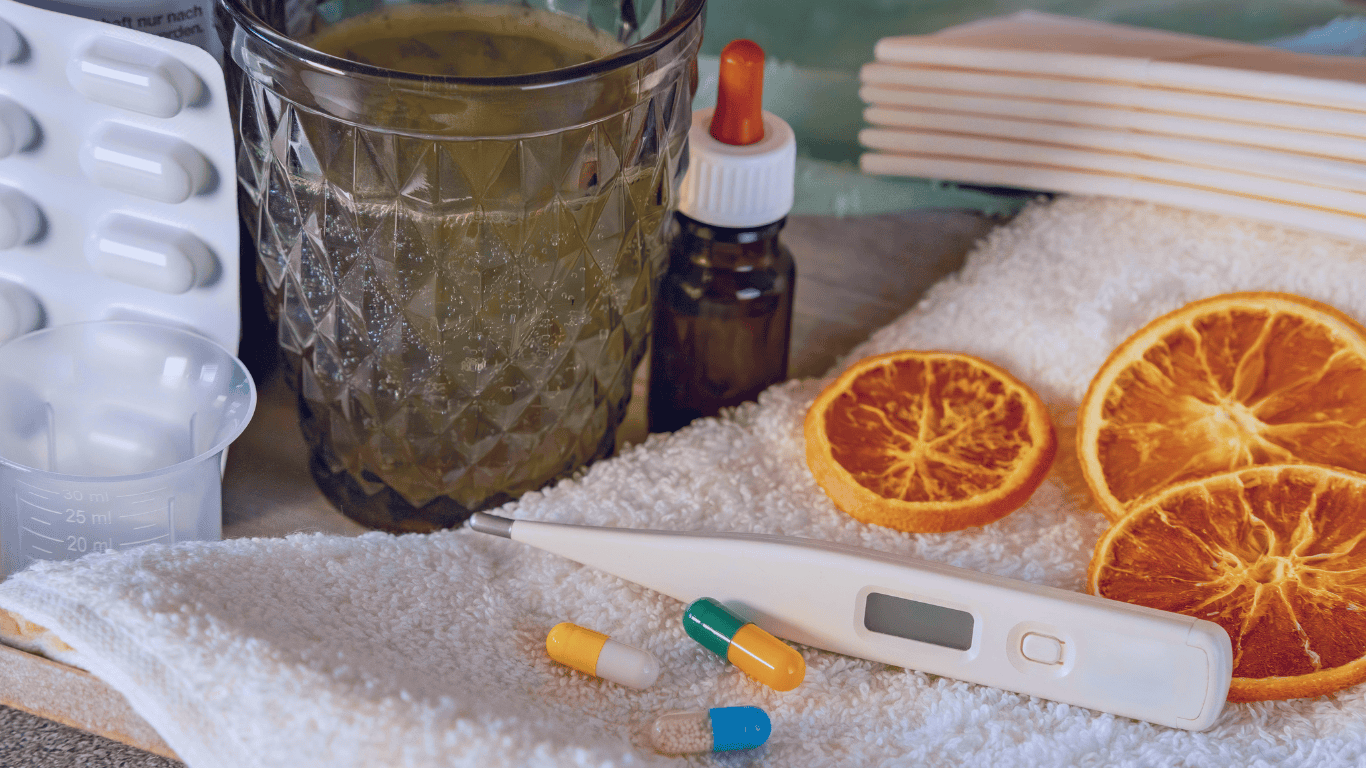
If you’re googling “should I go to the dentist with a sore throat,” here’s the direct answer: a fever or suspected strep infection means you should reschedule, while mild throat irritation typically allows you to keep the appointment. Just call the office first to let them know.
Whether you’re dealing with a scratchy morning throat or full-blown strep throat symptoms, we’ll provide you with a clear action plan tailored to your situation.
Whether you need to reschedule gracefully or attend safely, you’ll have the right approach for your specific symptoms.
Why a Sore Throat Matters in a Dental Chair
A sore throat may feel like a small inconvenience, but once you’re reclined in the dental chair, it can snowball into bigger issues for everyone in the room.
Many routine procedures, such as ultrasonic scaling, high-speed drilling and even a quick blast from the air-water syringe, turn saliva and throat secretions into a fine spray that can linger in the air or land on nearby surfaces.
Studies of dental aerosols have shown that droplets can travel several feet and remain suspended long enough to be inhaled by staff or the next patient, thereby increasing the likelihood of spreading respiratory viruses and bacteria.
High-volume suction and rubber dams cut that risk, yet they can’t eliminate it entirely, especially if you’re actively infectious.
Comfort Becomes a Real Issue
Throat irritation often heightens your gag reflex. The mirror, suction tip, or an x-ray sensor can trigger coughing fits that stall treatment and raise aerosol output even further.
Timing matters too. Viral sore throats are typically contagious from the first tickle until symptoms improve, while strep throat remains transmissible until you’ve been on antibiotics for at least 24 hours.
If your discomfort stems from a sinus infection, post-nasal drip, or an undetected dental abscess, lying back with your mouth open can feel miserable and may mask a more significant oral health issue.
Add it up and you face three overlapping risks: your own comfort, the possibility of infecting others and potential complications that force the dentist to stop mid-procedure.
Common Pitfalls That Make Things Worse
Most patients stumble into predictable traps when dealing with throat symptoms before appointments. Waiting until check-in to mention a sore throat leaves the front desk scrambling to fill an open slot and may still result in a late-cancellation fee. Many patients make this mistake, thinking their symptoms will improve by the time of their appointment.
Another common error is brushing off a 100°F fever as “just allergies.”
This can expose elderly or immunocompromised patients in the waiting room to contagious illness; a scenario most practices work hard to avoid. Skipping water or throat lozenges before you arrive can dry out tissues, making coughing spells during ultrasonic cleaning almost inevitable.
Vague communication also creates problems. Sending messages like “running late today” instead of an honest symptom report can erode trust with the office and make future scheduling harder. Dental teams appreciate transparency about health concerns.
How to Reschedule Gracefully
When you wake up with a raw throat and rising temperature, pick up the phone—don’t ghost your dentist. Most practices require at least 24–48 hours’ notice and many will waive cancellation fees for illness if you alert them early, saving both parties a scheduling headache and an extra charge.
Keep the call short and specific with this straightforward script:
“Hi, I’m scheduled for Tuesday at 10 a.m., but I’ve developed a low-grade fever and sore throat. Can we push the appointment back a week or two?”
Mention your symptoms, propose a new timeframe and thank the staff for their flexibility. This direct approach gets you rescheduled quickly without confusion.
Timing Your New Appointment
Aim to rebook as soon as possible so small issues don’t snowball into bigger ones. Once you set the new slot, drop it into your calendar and enable text or email reminders. Digital tools make rescheduling painless for both patients and practices.
By calling early, you free the office to offer your slot to another patient, helping the practice curb costly no-shows. Clear communication now means a smoother visit later and keeps everyone healthier in the process.
Going Anyway? Protect Yourself and Your Dental Team
If your sore throat is mild and you’ve decided the appointment can’t wait, a little preparation goes a long way toward keeping everyone safe and comfortable.
Before You Leave Home
Start your day by drinking plenty of water.
Hydration keeps throat tissues moist and reduces coughing fits once you’re reclined. An hour before you leave, gargle with warm saltwater (½ teaspoon salt in 8 oz of water) and let a sugar-free lozenge melt slowly to soothe irritation.
Slip on a well-fitted mask for the trip and while you’re in the waiting room, since both respiratory droplets and airborne particles (aerosols) are key vehicles for illness spread, especially in indoor spaces.
At the Dental Office
Let the front desk know about your throat irritation as soon as you arrive. Most teams will have you rinse with an antimicrobial solution.
Pre-procedural rinses can significantly reduce oral microbes during treatment. Don’t hesitate to request short breaks if you feel a tickle. Pausing is easier than coughing mid-procedure.
If you’re concerned about exposure to airborne contaminants, ask your dental office about their ventilation and air purification protocols, as air quality is more influenced by these factors than appointment timing.
How Dental Offices Protect Everyone
Dentists have engineering controls on their side. Rubber dams isolate the tooth being worked on and high-volume evacuation systems capture aerosols at the source.
When you get home, discard your toothbrush and open a fresh one once your symptoms resolve—research shows that pathogens can linger on moist bristles. Continue with saltwater rinses for another day or two to soothe the tissues and accelerate recovery.
Self-Care and Oral Hygiene While You Recover
A sore throat doesn’t mean you should skip oral care. Gentle cleaning can actually ease irritation and reduce harmful bacteria in your mouth.
Switch to a soft-bristled toothbrush while your throat heals, as your regular brush may feel too harsh against sensitive tissues. Pair this with an alcohol-free mouthwash. Alcohol-based rinses can burn and irritate already sore throat tissues.
Try Salt Water Gargles
For quick, natural relief, mix ½ teaspoon of salt in 8 ounces of warm water. Gargle for 30 seconds and repeat every three to four hours.
This simple remedy helps reduce swelling and discomfort and may also help wash away bacteria without the use of harsh chemicals.
Combat Dry Mouth
Sore throats often lead to mouth-breathing, which dries out your saliva. A dry mouth creates the perfect environment for cavity-causing bacteria to multiply. Worse, these bacteria can travel to your lungs and complicate respiratory infections.
Keep a water bottle nearby and sip regularly. Sugar-free lozenges or xylitol gum help stimulate saliva production while soothing your throat.
No matter how awful you feel, brush and floss before bed. Removing plaque each night reduces the bacterial load circulating between your mouth and throat, supporting faster healing and preventing cavities from developing while you recover.
FAQs About Going to the Dentist With a Sore Throat
Stuck between cancelling and powering through? These quick answers help you decide.
I started antibiotics for strep yesterday, can I still go?
Give it a day. For certain illnesses like strep throat, many offices recommend that you be fever-free and on antibiotics for at least 24 hours before your visit, as this lowers the risk of contagion and helps protect others.
My throat only hurts in the morning, does this count?
If the scratchiness disappears after water or a hot shower and you have no fever, it’s likely dryness from snoring or indoor air, not infection. You’re generally safe to keep your appointment, but be aware of any new symptoms that may appear throughout the day.
I’m mid-orthodontic treatment, can I postpone?
Loose wires or pain that can’t wait may justify an urgent visit. Routine check-ins can usually slide a week or two. Call your orthodontist. They’ll assess the urgency and advise you on when rescheduling won’t impact your treatment.
What if symptoms spike the night before?
Phone the office first thing in the morning. Practices prefer early notice so they can re-allocate your slot and many will waive fees for illness when you give them prompt warning.
Will I get hit with a late cancellation fee?
Policies vary, but a quick, honest call, ideally 24 to 48 hours out, often spares you charges. Most offices prioritize health over penalties when communication is done early.
How do I judge symptom severity quickly?
Red-light signs include fever over 100.4°F, uncontrolled cough, or a positive test for a contagious illness. These mean reschedule immediately. Mild irritation without fever is usually a green light. When unsure, call. Staff handle these questions daily.
Ensure Your Health and Safety with Proper Communication
A sore throat may seem like a minor inconvenience, but it can impact both your comfort and the safety of those around you in the dental office.
Whether you choose to attend your appointment or reschedule, communication is key. By informing your dentist’s office about your symptoms in advance, you not only help prevent the spread of illness but also ensure that you receive the most appropriate care for your condition.
If you’re unsure whether to keep your appointment, always err on the side of caution. Call your dentist to discuss your symptoms and determine the best course of action.
And if you’re ready to find a trusted dental provider for future appointments, visit Sunbit’s dental provider directory to locate professionals near you who can help with all your oral health needs.