






Summary
This article provides an in-depth guide to whitening smokers’ teeth, addressing the causes of yellow and brown stains—primarily tar and oxidized nicotine—and offering a range of solutions from DIY methods to professional treatments. It also highlights the broader oral health risks associated with smoking, such as periodontal disease, tooth loss, oral cancer, and dry mouth. The guide details various whitening options, including baking soda rinses, specialized toothpastes, peroxide strips, professional cleanings, custom trays, and chairside power bleaching, with considerations for cost, effectiveness, and longevity for smokers. Finally, it emphasizes a daily care routine to prevent new stains and offers FAQs about maintaining oral health while smoking.
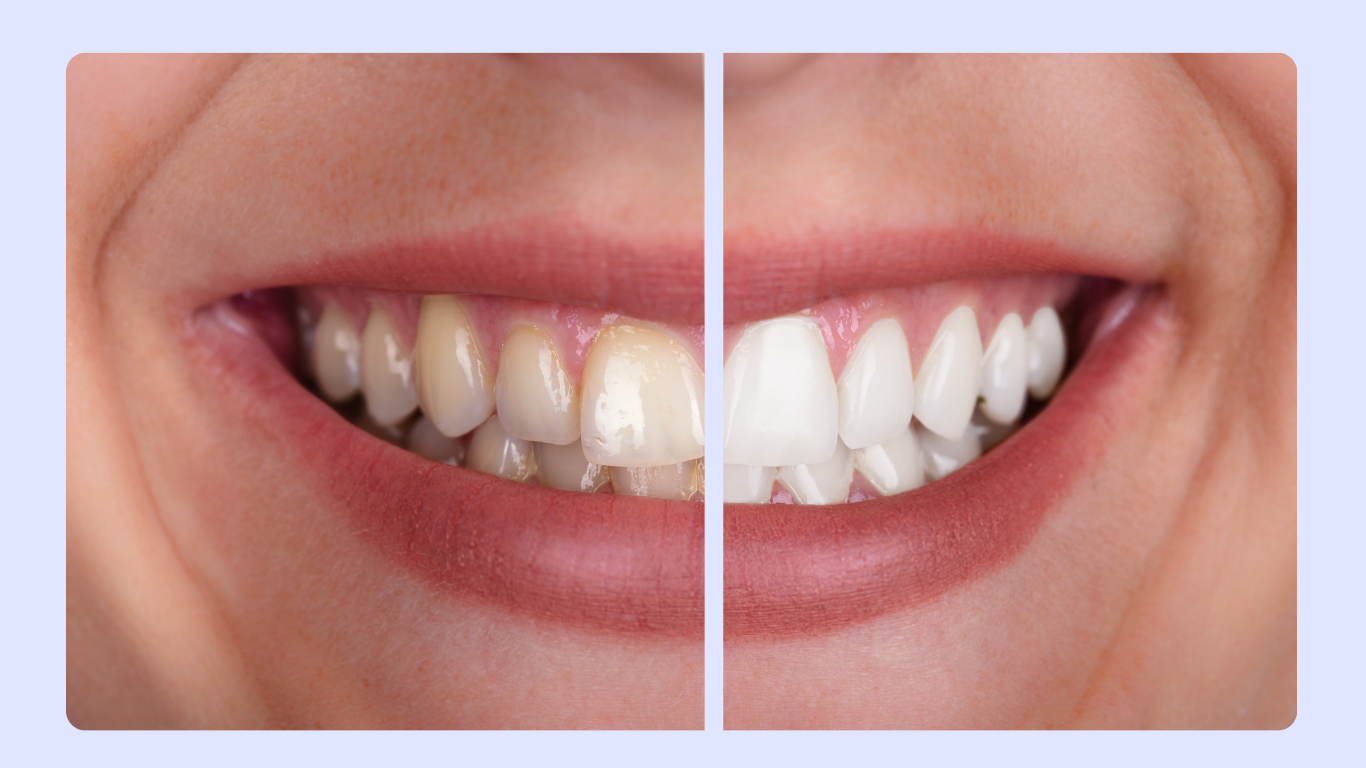
If you’re searching for how to remove stains from teeth instantly, the yellow-brown discoloration from smoking comes from tar and oxidized nicotine that clings to enamel and penetrates microscopic pores. Most of these stains can be lifted with the right cleaning techniques and targeted whitening agents.
This guide provides a complete step-by-step approach starting with simple kitchen remedies you can try tonight, progressing to over-the-counter options, and ending with professional treatments for years of deep staining. You’ll learn when a baking soda paste works, when whitening strips make sense, and when professional laser bleaching or veneers become necessary.
Combining these methods with consistent oral hygiene creates the most effective path to a brighter, stain-resistant smile. The key is matching the right solution to your specific staining level and maintaining results through proper daily care.
Why Smoking Turns Teeth Brown
Every cigarette delivers two main stain-causing chemicals straight to your teeth: nicotine and tar.
The Science Behind the Stains
Nicotine starts colorless, but once it hits the oxygen in your saliva, it transforms into a yellow compound that seeps deep into your enamel’s tiny pores. Think of it like dye setting into fabric—except this fabric is your teeth.
Tar works differently but does even more damage. This dark, sticky substance clings to the microscopic rough spots on your tooth surfaces, building up layer by layer until your teeth shift from dull yellow to deep brown.
Because tooth enamel is naturally porous, each puff drives these particles deeper, creating stains that regular brushing simply can’t reach.
Why the Stains Get Worse Over Time
Tobacco use doesn’t just stain your teeth—it changes your entire mouth environment in ways that make those stains darker and more stubborn. Smokers experience nearly double the rate of moderate-to-severe tooth discoloration compared to non-smokers.
The tobacco chemicals create a sticky film that traps food debris and bacteria, which leads to enamel wear that exposes softer, easily stained layers underneath, gum disease that reveals more tooth surface for pigments to attack, persistent bad breath from bacterial buildup, and extra plaque and tartar that lock stain molecules in place.
This chain reaction explains why some smokers develop such deep, persistent stains—and why effective whitening requires tackling both the surface grime and the underlying chemical changes.
Quick-Start DIY Fixes You Can Try Tonight
If you want to see faster progress against yellow-brown smoker stains, a few kitchen staples can start lifting surface discoloration before your next dental visit. These three methods use mild abrasion or gentle chemical oxidation—powerful enough for quick results, but safe when you follow the recommended schedule.
Baking Soda Paste
Create a simple paste using 1 teaspoon baking soda and enough water to make it spreadable (about 2:1 powder-to-water ratio).
Brush the mixture over your teeth for no more than 2 minutes, rinse thoroughly with water, and use once or twice weekly maximum. Baking soda’s fine particles buff away surface tar and nicotine without scratching healthy enamel. Over-scrubbing can erode enamel and cause sensitivity, so stick to the recommended frequency.
Hydrogen Peroxide Solutions
For chemical stain-fighting power, dilute 3% pharmacy-grade hydrogen peroxide with equal parts water. Swish for 30 seconds, then spit and follow with a plain-water rinse. Use 2-3 times weekly maximum.
Peroxide breaks the bonds of dark stain molecules, targeting pigments that scrubbing alone can’t reach. Avoid higher concentrations to prevent gum irritation, and never swallow the solution.
Pro tip: Mix a few drops of diluted peroxide into your baking soda paste for enhanced stain removal.
Whitening Toothpaste & Mouthwash Combo
Daily maintenance amplifies your results. Choose products with low-dose hydrogen peroxide or silica abrasives, “Smoker” or “deep-stain” labels, and oxygenating properties for mouthwash.
For your daily routine, brush with a soft-bristle brush for 2 full minutes, morning and night, use the whitening mouthwash after brushing, and focus on reaching all tooth surfaces.
Most people see a 1-2 shade improvement over a few weeks, especially when combined with weekly baking soda or peroxide treatments. This combo also prepares your teeth for stronger over-the-counter strips or professional treatments.
Daily & Weekly Oral-Care Routine for Smokers
Cigarette smoke leaves a sticky film of tar and nicotine that clings to enamel, so your everyday routine needs to work harder than that of non-smokers. With the right habits, you can keep new stains from taking hold and protect your gums.
Your Daily Defense Strategy
Start and end every day with these essential steps:
Brush properly using a soft-bristle brush with fluoride whitening toothpaste, angling bristles at 45 degrees along the gumline for two full minutes. A powered brush lifts more plaque and pigment with less effort. Floss thoroughly since smoke residue settles between teeth where brushes can’t reach. Scrape your tongue to remove odor-causing bacteria that tobacco use encourages.
Finish with a nightly fluoride rinse to help protect enamel and rinse with water immediately after each cigarette to reduce fresh tar residue and potentially lessen staining.
Weekly Deep-Clean Routine
Surface stains that slip past daily brushing need extra attention. Apply a baking soda polish 1-2 times weekly by mixing equal parts baking soda and water, brushing for one minute, then rinsing thoroughly. This mild abrasion lifts pigment without stripping enamel when used sparingly.
Use antiseptic mouthwash on alternating days to cut down on the extra bacteria smokers harbor. Coconut oil pulling for 15 minutes can help dissolve plaque films, but treat this as a supplement, not a replacement for proven products.
Mistakes That Make Stains Worse
Avoid scrubbing too hard, as this thins enamel and gives stains more places to hide. Don’t wait to rinse—tar from smoking adheres to teeth and can cause staining over time, so practicing good oral hygiene after tobacco use is important. Never attempt whitening on damaged teeth; have cavities and gum issues treated first, as bleaching agents on compromised teeth cause painful sensitivity.
Whitening Options Side-by-Side: DIY vs OTC vs Professional
Every cigarette leaves behind yellow-brown stains, making it tempting to grab the first whitening solution you see. Before you do, here’s how the major options actually compare.
| Factor | DIY (Baking Soda, H₂O₂, Charcoal, Oil Pulling) | OTC (Strips, Generic Trays, Pens, LED Kits) | Professional (In-Office Bleaching, Custom Trays, Veneers) |
|---|---|---|---|
| Whitening strength | Mild abrasion / low-dose peroxide | Low–moderate peroxide (5–10%) | High-dose peroxide (35–40%) or physical coverage |
| Cost | $ | $$ | $$$–$$$$ |
| Time to see change | Days to weeks | 7–14 days | 1 visit for bleaching; immediate for veneers |
| Longevity | Weeks if you keep smoking | 2–3 months with touch-ups | 6–12 months; veneers 10+ years |
| Best for | Fresh surface stains | Light–moderate nicotine stains | Deep stains or long-term smokers |
| Safety notes | Overuse can erode enamel or irritate gums | Possible sensitivity, uneven fit may burn tissue | Short-term sensitivity; dentist protects gums |
| Convenience | Ingredients in your kitchen | Pharmacies & online, self-applied | Appointment needed, but least trial-and-error |
Cost expressed as relative scale; exact fees vary by location.
What This Means for Your Smile
The depth of staining explains why gentle kitchen remedies rarely deliver movie-star results. DIY methods work through either scrubbing away stains (baking soda, activated charcoal) or low-level bleaching (diluted hydrogen peroxide). They handle fresh tar buildup well, but struggle once nicotine pigments slip beneath your enamel’s microscopic pores.
On a tight budget? DIY is a sensible starting point. Just limit abrasive pastes to twice weekly to protect your enamel.
OTC kits pack more peroxide punch than DIY whitening remedies and include form-fitting strips or trays. They typically brighten teeth one to two shades within two weeks by addressing surface stains, but may not reach deeper intrinsic stains as effectively as professional treatments.
The downside? Generic strips can leak gel onto your gums, causing temporary white patches or stinging. Take breaks between sessions if you already have sensitive teeth.
Professional options bring out the heavy artillery. In-office bleaching combines dentist-applied 35–40% peroxide with light activation, delivering dramatic color changes in about an hour.
Chronic smokers who still see blotchy browns after bleaching might consider veneers or bonding. Porcelain veneers mask stains almost completely and are highly stain-resistant, though continued smoking can discolor the bonding material at the edges. Bonding itself is more susceptible to discoloration with ongoing tobacco use.
Choosing Your Path
Recent stains? A DIY paste or OTC strip can make a real difference. Deep-set nicotine shadows from years of use? Professional bleaching—or cosmetic coverings—will save you weeks of frustration.
Whatever you choose, pair it with consistent oral hygiene. Without that foundation, you’ll be back where you started sooner than you think.
Professional Whitening & Cosmetic Options Explained
When years of tar and nicotine have pushed stains beyond the reach of baking soda or store-bought strips, stepping into a dental office gives you access to tools that can penetrate deep into enamel and dentin.
In-Office Bleaching
In-office bleaching is the heavyweight champion of teeth whitening. Your dentist applies a 35–40% hydrogen peroxide gel and activates it with LED or laser light. This process floods the tooth with oxygen and breaks apart dark pigment molecules in under an hour.
Most people see their teeth jump several shades in a single visit. Heavy smokers often book a follow-up or yearly touch-up to keep new deposits from dulling the result. The convenience and immediate results come at a premium, placing this option toward the upper end of cosmetic dentistry fees.
Custom Take-Home Trays
If you prefer to whiten while you binge your favorite series, ask your dentist for custom take-home trays. These clear molds hug every contour of your teeth and hold a 10–14% peroxide gel—roughly double the strength of most over-the-counter kits—against the enamel for a few hours each day over one to two weeks.
Because the trays fit precisely, you’re less likely to irritate gums and more likely to see even, predictable lightening compared with pharmacy strips.
Cosmetic Solutions for Severe Stains
For stains that resist bleaching—or when discoloration is paired with chips or wear—cosmetic restorations step in.
Porcelain Veneers are ultra-thin porcelain shells that bond to the front of teeth, instantly masking brown patches and delivering a permanently bright shade that resists future tobacco stains. Dental Bonding offers a quicker, budget-friendlier fix by layering tooth-colored resin over problem spots, though it may need periodic polishing. Micro-Abrasion involves dentist-controlled buffing of the outer enamel to erase superficial brown flecks in a single appointment.
Protecting Your Investment
Whichever route you choose, treat the next 48 hours as a “white diet”: stick to clear liquids and pale foods while the enamel’s microscopic pores re-seal. Pair that with a desensitizing toothpaste if you notice sensitivity, and schedule professional cleanings every six months to protect your investment.
Maintenance & Prevention Habits
Keeping tobacco stains away is easier than removing them. A few smart daily habits work better than any one-time whitening treatment—and they don’t require expensive products or complicated routines.
Five Essential Habits for Smokers
These daily practices significantly reduce new stain formation:
• Rinse with water after each cigarette — A quick swish removes tar and nicotine before they stick to your teeth. This simple step cuts down new stains significantly.
• Use a straw for dark drinks — Coffee, soda, and red wine bypass your front teeth when you sip through a straw, limiting direct contact and slowing discoloration.
• Snack on crunchy fruits and vegetables — Apples, carrots, and celery scrub away soft plaque while boosting saliva production. Think of them as edible toothbrushes.
• Schedule cleanings every 3-4 months — Smokers build up tartar faster than non-smokers. More frequent professional cleanings keep tooth surfaces smooth so stains have less to grip.
• Reduce cigarettes when possible — Even small reductions make a visible difference in tooth brightness and overall oral health.
Dietary Adjustments
Certain foods and drinks love to re-stain freshly whitened teeth. The biggest culprits include coffee, black tea, red wine, cola, soy sauce, and tomato-based dishes. When you do indulge, follow up with water or milk—milk’s pH and minerals help protect and repair teeth after acid exposure. Try swapping one dark drink daily for green tea or sparkling water. Your teeth stay safer while you still get something satisfying.
Long-Term Maintenance Products
Build your routine around a whitening toothpaste with hydrogen peroxide or baking soda. Use it twice daily for gentle, ongoing maintenance. Monthly touch-up strips keep results fresh between professional treatments. Finish with a fluoride mouthwash at night. It strengthens enamel, giving your whitened teeth strong protection against future acid attacks and decay.
Troubleshooting & When to Call the Dentist
Even the most diligent whitening routine can hit snags. Here’s how to handle common issues and know when professional help is needed.
Common Whitening Problems & Quick Fixes
Uneven Brightening occurs when nicotine stains likely penetrate enamel at different depths. Try pausing treatments for a few days, then resume with gentler products. Switching from baking soda to a low-abrasion peroxide toothpaste can help even things out without damaging enamel.
Gum Irritation happens when peroxide gels leak onto soft tissue, causing the stinging or whitening of gums many smokers experience with over-the-counter kits. Cut gel volume in trays or reduce exposure time, use fluoride or sensitive-teeth toothpaste to speed recovery, and take a break from whitening until irritation subsides.
Stubborn Brown Spots that refuse to lighten often indicate intrinsic stains, which develop within the tooth and are resistant to ordinary pastes. Professional bleaching or cosmetic options like micro-abrasion or veneers are the predictable next steps.
When to Call Your Dentist
Some situations demand professional attention rather than a home fix. Contact your dentist if you experience persistent pain or throbbing sensitivity to air, blotchy white burns on gums, stains that turn black instead of fading, no progress after six weeks of consistent treatment, or if smoking is rapidly diminishing your whitening results.
These symptoms can distract from or delay the identification of decay, gum disease, or even precancerous lesions. Setting realistic expectations is crucial—improvement rates for heavy stains can vary widely and may be less predictable. A dentist can tailor a stronger yet safer protocol and catch underlying issues before they spiral.
Cost & Time Cheat Sheet
When you’re weighing how to erase tobacco stains, a quick snapshot of cost, speed, and staying power keeps decision-making simple.
| Method | Cost | Time to See Results | How Long It Lasts | Ongoing Upkeep |
|---|---|---|---|---|
| Baking-soda polish | $ | 1–2 days | Days | Repeat weekly |
| 3% Hydrogen-peroxide rinse | $ | 3–7 days | Weeks | Use 2–3× weekly |
| OTC strips or trays | $$ | 7–14 days | Months | Touch-up every 3–4 months |
| Dentist take-home trays | $$$ | 1–2 weeks | 6–12 months | Annual refill kit |
| In-office bleaching | $$$ | Same day | 12 months+ | Yearly booster visit |
| Veneers or bonding | $$$$ | Two visits | 10+ years | Regular check-ups |
Continued tobacco use will shorten longevity for every option.
Choosing the Right Investment Level
DIY approaches like baking soda cost pennies but only lift surface stains. Deep nicotine discoloration demands stronger peroxide gels in custom trays or an in-office session, which offer more predictable, longer-lasting results for tobacco users’ teeth.
Even premium treatments need periodic touch-ups if you continue tobacco use. Choose the tier that fits both your budget and your commitment to maintaining results. The most expensive treatment isn’t always the smartest choice if you can’t keep up with the upkeep.
Conclusion & Next Steps
Tobacco stains form when tar and oxidized nicotine bond to tooth enamel, creating yellow-brown discoloration that deepens over time. Most surface stains respond well to a layered approach that combines immediate action with consistent habits.
Start tonight with gentle DIY solutions: mix baking soda with water for a mild abrasive scrub, or dilute hydrogen peroxide to break down stain molecules. These methods tackle surface-level discoloration and show initial improvement within days.
Build your foundation with daily oral care designed for tobacco users. Brush with fluoride toothpaste twice daily, floss to remove trapped particles, and rinse with water immediately after use to prevent new stains from settling.
Escalate when needed. If home methods hit a wall after 2-3 weeks, or you notice sensitivity, uneven results, or deep brown spots, professional treatment becomes your next move. Dentist-supervised bleaching, custom trays, or cosmetic solutions like veneers can reach pigmentation that DIY efforts can’t touch.
Your success depends on consistency, not perfection. Layer these strategies, stick with your routine, and your smile will respond. The stains that took months to develop will fade with the right combination of immediate action and sustained effort.