






Summary
Mini dental implants (MDIs) are a less invasive, faster, and more affordable alternative to traditional dental implants. Ideal for patients with limited bone density, budget concerns, or a preference for a simpler procedure, these smaller implants are often used to stabilize dentures or replace single teeth. The procedure is gentle, often eliminating the need for bone grafting, and recovery is quicker, making them a popular choice for restoring smiles with less stress and downtime.
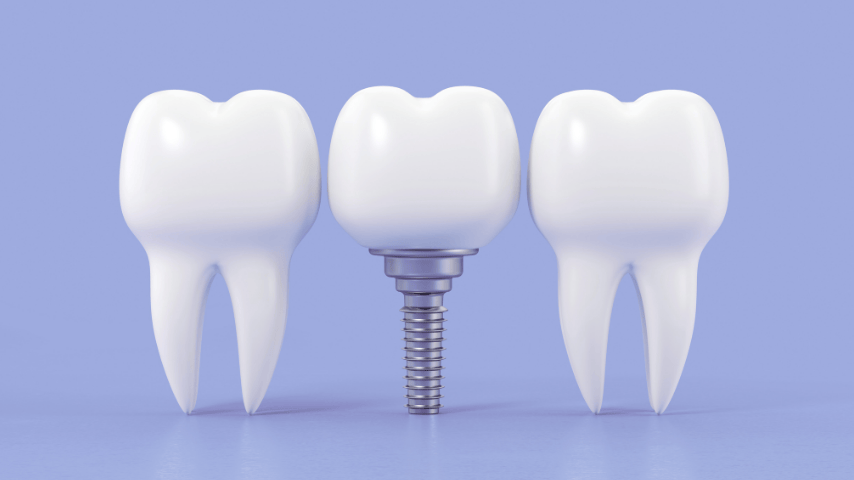
If you’re missing teeth and looking for a reliable replacement that feels natural and looks great, mini dental implants might be the right choice. These smaller, less invasive implants offer a practical alternative to traditional implants, especially for patients with limited bone density, budget concerns, or a preference for a quicker, simpler procedure.
This treatment is especially popular among denture wearers who want more stability without a full surgical implant process. Whether you’re tired of loose dentures or want to replace a single missing tooth, MDIs can restore your confidence to smile, eat, and speak without worry.
We’ll break down how mini dental implants work, who they’re best suited for, what the placement process involves, how much they cost, and how they compare to full-sized implants. By the end, you’ll have a clear picture of whether this solution is right for your smile goals.
Why Mini Means Less Invasive (MDIs vs. Traditional Implants)
If you’ve been told you don’t have enough bone for standard implants, or you simply want a faster, simpler solution, mini dental implants (MDIs) may be the ideal fit.
These slim implants, measuring just 1.8–2.5 mm in diameter (compared to 3–6 mm for traditional implants), often eliminate the need for bone grafting, which can delay treatment and add to costs. Their one-piece design combines the implant and connector, eliminating the need for a second surgery.
Placement is gentle and flapless. Your dentist inserts the mini-implant directly through the gum using a small, self-tapping screw. With less disruption to your tissues, you’ll experience minimal swelling, faster healing, and a quicker return to eating and speaking normally, sometimes in just days rather than months.
Feature |
Mini Dental Implants |
Traditional Implants |
Size |
1.8–2.5 mm wide | 3–6 mm wide |
Structure |
One-piece with built-in connector | Two-piece with separate parts |
Surgery |
No cutting or stitching needed | Gum surgery often required |
Healing Time |
Weeks (often immediate) | 3–6 months |
Cost |
$500–$1,500 per implant | $3,000–$4,000 per implant |
Best For |
Denture support, small gaps, medical limitations | Full smile restorations, bridges |
Mini implants are ideal for individuals who are older, have medical concerns, or simply want to avoid complex surgery. They won’t support heavy pressure like larger implants, but placing several smaller fixtures can still provide strong, lasting support for dentures or single teeth.
The faster process, lower cost, and gentler approach make MDIs a great option for restoring your smile with less stress.
Am I a Good Candidate?
If you’ve been told you don’t have enough bone for traditional implants, mini dental implants (MDIs) could be the alternative you’ve been waiting for. These slim, one-piece titanium fixtures are designed for patients with narrow jaw ridges, especially common among older adults or longtime denture wearers whose bone has naturally thinned over time.
Because mini implants require less space and no bone grafting, they’re often ideal for patients looking for a simpler, more affordable path to restore their smile.
Mini implants are especially helpful if you’re missing smaller teeth (like incisors or premolars), or if you want to stabilize a loose denture. They fit well in tight spaces and can support partial or full dentures without the need for invasive surgery.
However, they may not be suitable for areas like the back molars, which handle stronger chewing forces.
Your health also plays a role. Active gum disease, uncontrolled conditions like diabetes, heavy smoking, or nighttime teeth grinding can interfere with healing and long-term success. And if you’re a teen, it’s best to wait until your jaw has finished growing.
A proper evaluation, including digital X-rays or 3D CBCT scans, helps your dentist determine if there’s enough bone height and width, and ensures the implant placement won’t interfere with nearby nerves or sinuses. Even if you’ve previously been turned away for traditional implants, mini dental implants might still be an option.
With good hygiene and proper planning, MDIs provide a minimally invasive and reliable way to restore your confidence and comfort, eliminating the extended recovery time associated with more complex procedures.
The Mini Dental Implant Procedure and Timeline
If you’re considering mini dental implants, knowing what to expect can make the experience feel more manageable. The treatment typically unfolds in six straightforward steps, designed to be faster, simpler, and more comfortable than traditional implant procedures.
- Consultation and 3D scan: Using advanced imaging like a CBCT (cone-beam CT), your dentist maps the exact bone structure and nearby nerves. This helps confirm if you’re a good candidate and ensures the safest possible placement.
- Digital treatment planning: Your dentist uses the scan to design a precise guide for placing your implants. This plan helps reduce guesswork, lowers the risk of misalignment, and speeds up the actual procedure.
- Placement: Placement is quick and minimally invasive. Most mini dental implants are inserted without cutting the gum or using stitches. The whole process takes about 30–60 minutes with just local anesthesia, and recovery is often manageable with over-the-counter pain relief.
- Placing a temporary crown: In many cases, a temporary crown or denture can be placed right away. This “same-day smile” approach means you’ll walk out with functional teeth, rather than waiting months.
- Recovery: Healing time is shorter too. Traditional implants may need up to six months to heal before restoration, but mini dental implants typically integrate in just a few weeks, thanks to their narrow design and one-piece structure.
- Placing long-lasting final crown: Once healing is confirmed with an X-ray, your dentist replaces the temporary with a long-lasting final crown or denture. The entire process, from first visit to final results, can take as little as six to eight weeks, far less than standard implant treatments.
For many patients, mini dental implants provide a fast, comfortable, and affordable way to restore their smile without the need for extensive surgery or downtime.
Recovery and Long-Term Care
Mini dental implants involve a gentler process than traditional implants, which means your recovery is typically quicker and more comfortable.
Most patients report only mild swelling and soreness, which can be easily managed with basic care. Follow these key steps for a smooth recovery and lasting results:
In the first 48 hours:
- Stick to soft foods: Think yogurt, applesauce, mashed potatoes, or lukewarm soups.
- Rinse gently: Use warm salt water (3–4 times daily) to reduce bacteria and support healing.
- Avoid alcohol and smoking: Both delay healing and raise the risk of implant failure.
- Use ice packs if needed: Apply in 10-minute intervals to reduce any swelling.
- Take pain relievers as directed: Most people find that over-the-counter medication is enough.
At-home maintenance:
- Brush twice a day with a soft-bristled toothbrush.
- Clean around the implant using floss or interdental brushes, especially near ball attachments.
- Avoid chewing hard items like ice, pens, or nuts that can stress the implant.
Ongoing dental visits:
- See your dentist every six months for checkups and cleanings.
- Regular visits help catch small issues early.
When you follow these simple habits, your mini dental implants can last over 10 years.
Risks and How to Minimize Them
Mini dental implants are a safe and less invasive alternative to traditional implants, but like any dental procedure, they come with some risks. Knowing what to expect, and how to care for your implants, can help you avoid complications and keep your smile healthy for years to come.
Common risks to watch for:
- Infection or gum irritation: If plaque builds up around the implant, it can lead to bone loss or inflammation (called peri-implantitis).
- Excess pressure: Because mini implants are narrower, too much force, especially from grinding or chewing hard foods, can cause bending or fracture.
- Poor healing or bone support: If your bone is too soft or thin, the implant might not fuse properly.
How to keep your implants safe:
- Choose an experienced provider: Make sure your dentist uses 3D imaging to carefully plan the procedure.
- Follow post-op instructions closely:
- Stick to soft foods
- Rinse with salt water or chlorhexidine if prescribed
- Avoid smoking during recovery
- Keep up with hygiene: Brush gently twice a day and clean between your implants using floss or special brushes.
- Report issues early: Let your dentist know right away if you feel soreness, movement, or swelling near the implant.
- Visit your dentist regularly: Routine checkups help catch problems early.
With the right care and follow-through, mini dental implants can offer lasting results.
Choosing the Right Provider
Mini dental implants offer a faster, less invasive solution, but only when placed by a qualified provider. Because these narrow implants are more technique-sensitive than traditional ones, it’s important to choose a dentist with the right training, tools, and track record.
Here’s what to look for when selecting a provider:
- Experience matters: Ask how many mini dental implant cases they’ve handled recently.
- Advanced technology: Tools like 3D imaging and surgical guides improve precision and reduce risk.
- Clear pricing: Look for itemized fees that cover imaging, surgery, and final restoration.
- Before-and-after photos: Reputable dentists will gladly show you real cases they’ve completed.
- Positive reviews: Patient testimonials can give you a better sense of outcomes and satisfaction.
When you feel confident, schedule your treatment and review your personalized timeline. The right dentist will guide you every step of the way and make your journey as comfortable and efficient as possible.
Need help finding a trusted provider? Use the Sunbit dental directory to search for experienced dental professionals near you who offer mini dental implants and flexible payment options.