






Summary
Regular toothbrush replacement is crucial for good oral health. Worn bristles lose cleaning effectiveness, harbor bacteria and can reintroduce germs after illness. Aim to replace your toothbrush every three to four months, or sooner if signs of wear appear.
Key Points
- Replace Regularly: The American Dental Association recommends replacing your toothbrush every three to four months.
- Combat Bacteria: Old toothbrushes collect harmful bacteria, which can be transferred back to your mouth.
- Maintain Cleaning Power: Frayed bristles significantly reduce plaque removal, increasing the risk of cavities and gum disease.
- Heal After Illness: Replace your toothbrush immediately after being sick to prevent re-infection.
- Watch for Wear: Signs like splayed bristles, a lingering fuzzy feeling on teeth, or an unpleasant odor indicate it’s time for a new brush.
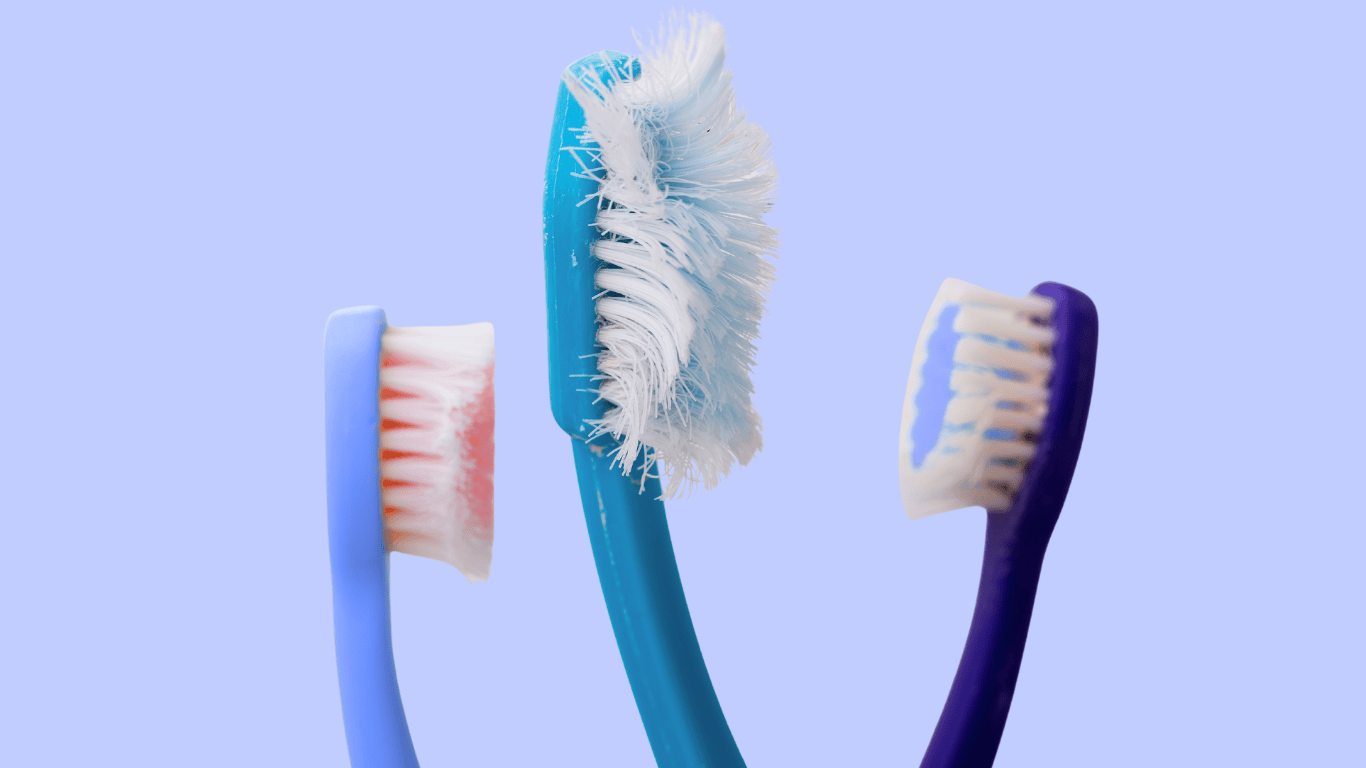
Your toothbrush starts collecting bacteria within days of first use; the same harmful microorganisms you’re trying to scrub away from your teeth.
The American Dental Association recommends replacing your toothbrush every three to four months, or sooner if the bristles start to fray.
Skip this simple step and those worn bristles lose up to half their cleaning power, harbor cavity-causing bacteria and can even reintroduce germs after you recover from illness.
Replacing your toothbrush on schedule costs less than a coffee but protects your oral health in ways that save you hundreds in dental bills later.
Why Replacing Your Toothbrush Matters
When bristles lose their spring, they can’t sweep plaque away efficiently and the moist brush head becomes a cozy habitat for microbes.
Studies show that cleaning power drops sharply once bristles fray, leaving more plaque behind and raising your risk of oral disease. Meanwhile, biofilms, sticky layers of bacteria and fungi, form on neglected brushes, turning them into tiny Petri dishes between uses.
Using a worn toothbrush creates a cascade of problems that most people don’t realize:
- Reduced plaque removal allows cavities to develop more easily, even if you brush twice daily
- Frayed bristles that feel softer are actually scraping and irritating your gum tissue, which can trigger inflammation or recession over time
- Harmful bacterial strains like Streptococcus mutans and Candida albicans thrive on old bristles and transfer straight back to your mouth with every brush
- After illness, that same contaminated brush can reintroduce viruses or bacteria and prolong your recovery
Here’s something that hits close to home: ineffective cleaning leaves food debris that fuels bad breath.
No amount of mouthwash can fix what a worn toothbrush leaves behind. Swapping your brush every three to four months, or sooner if it appears worn out, is a small, low-cost habit that pays off with healthier gums, fresher breath and fewer dental bills down the line.
Warning Signs Your Toothbrush Is Done
Even if the calendar says you still have a few weeks left, your toothbrush might be ready for retirement. Watch for these red flags and replace your brush before it compromises your oral health:
1. Bristles Are Frayed, Splayed, or Bent Outward
Once the bristles fan out, they lose the stiffness needed to sweep plaque from the enamel and gum lines. This dramatically reduces cleaning power and opens the door to cavities and gingivitis.
2. Your Teeth Don’t Feel as Clean After Brushing
That lingering “fuzzy” film is plaque your worn brush can’t reach. Left behind, it hardens into tartar and inflames gums, leading to more frequent professional cleanings.
3. The Brush Has an Unpleasant Odor
A sour smell signals bacterial or fungal buildup embedded in the bristles. These microbes flourish in damp fibers and transfer straight back into your mouth, increasing infection risk.
4. You Were Recently Sick
Viruses and bacteria from colds, flu, or oral infections can cling to bristles even after rinsing. Reusing the same brush increases the chance of reinfecting yourself or family members.
5. You Can’t Remember When You Last Replaced It
If the date is a mystery, the bristles have likely passed their three-month prime. They’re probably harboring a thriving biofilm community that undermines every brush session.
6. Bristles Look Flattened, Matted, or Discolored
Stains and clumped fibers trap debris and bacteria, turning your brush into a delivery system for odors and decay-causing acids, rather than the defense tool it should be.
Factors That Can Change the Timeline
The three- to four-month guideline works for most people, but several factors can alter your replacement schedule. Understanding these variables helps you maintain optimal oral hygiene:
Whether you use a classic manual brush or a high-tech electric model, both lose cleaning power once the bristles bend. Plan on replacing either type at the same three- to four-month interval. Many electric toothbrush heads even fade their indicator bristles to remind you when it’s time for a change.
Your Brushing Technique Matters
Pressing hard or “scrubbing” your teeth causes nylon bristles to splay within weeks, significantly reducing plaque removal. Gentle, circular motions protect both your bristles and your gums while cleaning more effectively.
Replace Immediately After Illness
After a cold, flu, or strep throat, replace your brush right away to avoid re-infecting yourself or family members. This isn’t optional—it’s your best defense against getting sick again.
Kids Need More Frequent Changes
Children tend to chew, bend and batter their bristles, so their brushes often need replacing well before the three-month mark. Keep extras on hand and check their brushes weekly.
Protect Your Smile with a Fresh Toothbrush
Replacing your toothbrush regularly is a simple but essential step in maintaining optimal oral health.
A worn-out brush can transfer bacteria back into your mouth, reduce plaque removal and even contribute to gum irritation and bad breath.
By replacing your toothbrush every three to four months, or sooner if the bristles start to fray, you can ensure that you’re getting the most effective cleaning and protecting your teeth and gums from unnecessary harm.
This small habit helps prevent cavities, gum disease and other costly dental problems down the line.
If you’re looking for a trusted dental provider to help keep your smile in top shape, explore Sunbit’s dental provider directory to find professional care near you. Take charge of your oral health today and make sure your toothbrush stays as fresh as your smile.