






Summary
Professional fluoride treatments cost $20-50 per session and provide higher-concentration fluoride application, typically recommended 2-4 times yearly, while at-home fluoride options like prescription toothpaste and rinses cost $5-25 monthly for ongoing cavity prevention. Most dental insurance covers professional fluoride treatments for children at 80-100% but adult coverage varies significantly by plan. Choosing between professional and at-home fluoride depends on cavity risk, age, insurance coverage, and budget considerations.
Key Points
- Professional treatments cost $20-50 per session
- At-home options cost $5-25 monthly
- Insurance covers children’s treatments fully
- High-risk patients benefit from professional care
- Combination approach often provides best value
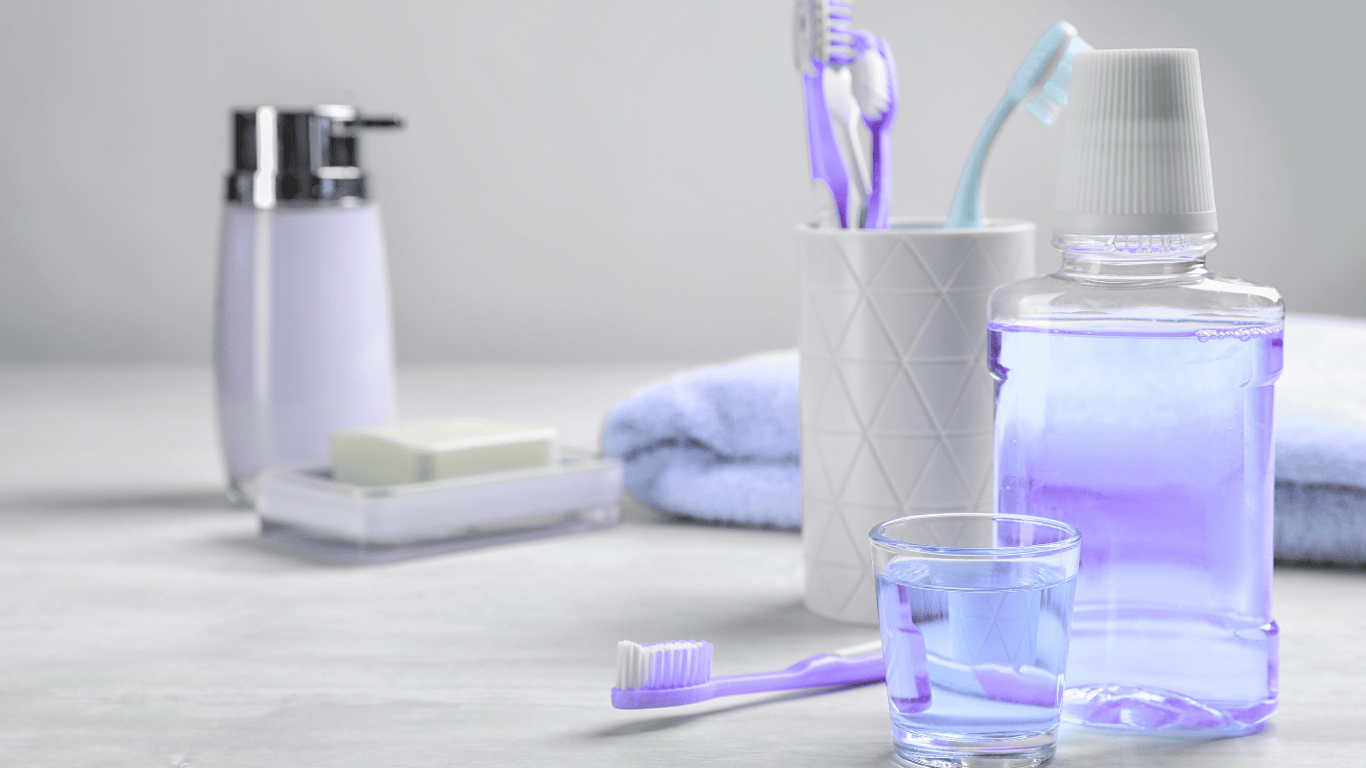
Professional fluoride treatments and at-home fluoride products both play important roles in preventing tooth decay, but their costs, effectiveness, and appropriate use vary significantly based on individual risk factors and circumstances.
Understanding the differences between professional and at-home fluoride options helps you make informed decisions about cavity prevention while managing your dental care costs effectively. Whether you need the high-concentration fluoride available through professional treatment or can maintain good oral health with at-home products depends on your specific risk factors and oral health needs.
Professional Fluoride Treatment Options and Costs
Professional fluoride treatments deliver concentrated fluoride directly to tooth surfaces in controlled clinical settings, providing superior cavity protection for high-risk patients and those with specific oral health challenges.
Types of Professional Fluoride Treatments
Fluoride varnish represents the most common professional treatment, applied as a thin coating that adheres to teeth for several hours. The procedure takes 2-3 minutes and costs $20-40 per application, making it cost-effective for routine prevention. Varnish treatments are particularly effective for young children and patients with high cavity risk.
Fluoride foam applications involve placing fluoride-filled trays over teeth for 1-4 minutes, typically costing $25-45 per treatment. This method provides excellent coverage of all tooth surfaces and works well for patients who can tolerate the tray application process.
Fluoride gel treatments can be applied with trays or painted directly onto teeth, costing $30-50 per session. These treatments offer the highest fluoride concentration and longest contact time, making them ideal for patients with severe cavity risk or ongoing dental problems.
Professional Treatment Procedures
The treatment process follows three key steps to ensure maximum effectiveness and safety.
During your appointment:
- Initial cleaning removes plaque and debris that could interfere with fluoride absorption
- Fluoride application using specialized tools ensures even coverage of all tooth surfaces
- Controlled application minimizes discomfort and ingestion risks
After treatment, avoid eating, drinking, or rinsing for 30 minutes to 4 hours depending on the fluoride type used. Following these guidelines maximizes treatment benefits and ensures optimal fluoride uptake by tooth enamel.
Note that if you need professional cleaning during the same visit, this may add to your overall treatment costs.
Professional Treatment Benefits
Higher fluoride concentrations in professional treatments provide superior cavity protection compared to over-the-counter products. Professional-strength fluoride can contain 5,000-22,600 ppm fluoride compared to 1,000-1,500 ppm in regular toothpaste.
Targeted application allows dental professionals to focus treatment on high-risk areas like deep grooves, existing fillings, or areas showing early signs of decay. This precision targeting maximizes treatment effectiveness while minimizing unnecessary fluoride exposure.
Professional monitoring during treatment ensures safe application and provides opportunities to assess oral health, adjust treatment frequency, and identify developing problems before they become expensive to treat.
At-Home Fluoride Options and Costs
At-home fluoride products provide convenient, cost-effective cavity prevention for daily use, offering various concentration levels and application methods to meet different patient needs and budgets.
Prescription At-Home Products
Prescription fluoride products offer professional-strength protection you can use daily at home. Your dentist can prescribe three main types:
- High-fluoride toothpastes ($15-25, lasts 2-3 months) contain 5,000 ppm fluoride – much stronger than regular toothpaste. Perfect for high-risk patients needing daily professional-strength protection.
- Fluoride rinses ($10-20 per bottle) work well if you have braces, dry mouth, or trouble reaching certain areas when brushing. The liquid form makes application easy.
- Custom fluoride trays ($100-200 upfront, plus $15-30 for gel tubes) let you apply prescription fluoride gel precisely at home. Think of it as bringing professional-level treatment to your bathroom.
Over-the-Counter Options
For patients with normal cavity risk, drugstore fluoride products offer affordable daily protection without requiring prescriptions or dental visits.
Fluoride toothpastes are the most common choice, costing $3-8 per tube for products containing 1,000-1,500 ppm fluoride. These provide basic cavity protection for most people with good oral hygiene habits. Fluoride mouth rinses cost $4-12 per bottle and work well when combined with fluoride toothpaste, especially for those wanting extra protection.
Fluoride supplements in tablet or drop form cost $8-15 per bottle and are typically recommended for children in areas with low water fluoride levels. However, these require professional guidance to prevent fluorosis from incorrect dosing.
At-Home Application Benefits
At-home fluoride products offer several practical advantages that make them appealing to many patients.
Daily use at home eliminates the need for appointments and time off work, providing consistent protection that often prevents cavities better than occasional professional treatments. The lower per-day cost makes ongoing protection affordable for most budgets, typically offering better value than frequent professional visits for patients with normal cavity risk.
You can also adjust your routine based on changing needs, travel schedules, and personal preferences while maintaining consistent cavity protection.
What You’ll Actually Pay: Professional vs. At-Home Breakdown
Understanding the total cost implications of different fluoride strategies helps you choose the most cost-effective approach for your specific situation and budget constraints.
Professional treatments average $30 per session with quarterly applications, costing approximately $120 annually (not including potential insurance coverage). This investment provides high-concentration fluoride delivery with professional monitoring and targeted application.
Prescription at-home products typically cost $60-100 annually for high-fluoride toothpaste or rinses. This approach offers better value for patients needing ongoing professional-strength fluoride protection with daily use.
Over-the-counter options cost $20-50 annually for toothpaste and rinse combinations, making them the most affordable choice for patients with normal cavity risk. However, these products may not provide adequate protection for high-risk individuals.
Combination approaches often provide optimal value when exploring dental costs and payment options. Using professional treatments 2-4 times yearly combined with prescription home products can cost $150-250 annually but provides comprehensive cavity protection for high-risk patients.
This investment often proves more cost-effective than treating multiple cavities or requiring expensive procedures like dental crowns cost due to advanced decay.
Insurance Coverage Impact
Children’s fluoride treatment coverage under most dental insurance plans significantly reduces out-of-pocket costs. Most plans cover professional fluoride treatments for patients under 18 at 80-100%, making professional treatment very affordable for pediatric patients.
Adult coverage varies widely by plan, with some providing partial coverage for high-risk patients while others consider fluoride treatments cosmetic or preventive beyond basic coverage. Understanding your specific plan benefits helps predict actual costs.
Prescription fluoride product coverage through dental or medical insurance can significantly reduce costs, with some plans covering high-fluoride toothpaste and rinses when prescribed for medical necessity. Check with your insurance provider about coverage for prescription fluoride products.
When to Choose Professional vs. At-Home Fluoride
Selecting the most appropriate fluoride strategy depends on individual risk factors, age, oral health status, and financial considerations that vary among patients.
High-Risk Patients Requiring Professional Treatment
Professional fluoride treatments provide essential protection for patients who face elevated cavity risk despite regular oral care.
You may need professional treatment if you have:
- Frequent cavities even with good brushing and flossing habits
- Dry mouth from medications or medical conditions
- Braces or orthodontic appliances that make cleaning difficult
- Special needs or limited dexterity affecting daily oral care
The higher fluoride concentrations in professional treatments help break the cycle of recurring decay and provide targeted protection for vulnerable areas that at-home products can’t adequately reach. For patients with orthodontic hardware, professional applications offer crucial protection during periods when normal hygiene becomes challenging.
Appropriate Candidates for At-Home Options
Adults with good oral health and low cavity risk can often maintain excellent oral health with fluoride toothpaste and regular dental check-ups. The convenience and lower cost make at-home options ideal for routine maintenance.
Children and teenagers in areas with fluoridated water and good oral hygiene habits may need only fluoride toothpaste supplemented by occasional professional treatments. This approach balances protection with cost-effectiveness for developing teeth.
Budget-conscious patients seeking affordable dental alternatives can achieve good cavity prevention with consistent use of over-the-counter fluoride products combined with regular dental cleanings and check-ups. Incorporating budget-friendly dental health practices alongside fluoride use can further enhance oral health outcomes.
Patients with excellent oral hygiene who want additional protection can benefit from prescription fluoride products used at home, providing professional-strength fluoride at lower costs than frequent professional applications.
Combination Approaches
Many dental professionals recommend combining professional treatments with at-home fluoride use to maximize cavity prevention while managing costs effectively. This approach provides intensive professional treatment supplemented by daily home protection.
Seasonal variations in treatment intensity can help manage costs while maintaining protection. For example, professional treatments before school starts or during high-stress periods when oral hygiene might suffer, combined with consistent home care throughout the year.
Risk-based scheduling allows patients to adjust treatment frequency based on changing oral health needs, cavity development, or life circumstances affecting oral care routines. This flexibility helps optimize both protection and costs over time.
Safety Considerations and Proper Use
Understanding proper fluoride use and safety guidelines ensures maximum benefits while minimizing risks associated with overuse or improper application of fluoride products.
Professional Treatment Safety
Controlled application by dental professionals minimizes risks of excessive fluoride ingestion while ensuring proper dosing for individual patient needs. Professional training and experience help prevent complications while maximizing treatment benefits.
Post-treatment monitoring allows immediate response to any adverse reactions or patient discomfort during or after fluoride application. This professional oversight provides safety advantages over unsupervised home use of high-concentration products.
Documentation of treatments helps track total fluoride exposure and adjust future treatments based on patient response and changing oral health needs. This record-keeping supports safe, effective long-term fluoride therapy.
At-Home Product Safety
Proper dosing instructions must be followed carefully with prescription fluoride products to prevent fluorosis or other complications from excessive fluoride intake. Using more than recommended does not provide additional benefits and may cause harm.
Storage considerations become important with prescription fluoride products, which should be kept away from children to prevent accidental ingestion of concentrated fluoride. Secure storage prevents serious poisoning risks in homes with young children.
Supervision requirements for children using any fluoride products help ensure proper amounts are used and minimize swallowing, particularly important during the years when permanent teeth are developing and most susceptible to fluorosis.
Insurance Coverage and Payment Options
Understanding insurance benefits and exploring payment alternatives helps make fluoride treatments more affordable while maximizing the value of your dental benefits and minimizing your overall dental care costs.
Pediatric Coverage Benefits
Most dental insurance plans provide excellent coverage for children’s fluoride treatments, recognizing the significant long-term cost savings from preventing childhood cavities. This coverage typically includes 80-100% reimbursement for professional applications.
Frequency allowances for children often permit quarterly professional treatments, providing comprehensive cavity protection during the highest-risk years for tooth development. Taking advantage of these benefits can significantly reduce lifetime dental costs.
Age limitations vary by plan, but typically extend through the teenage years when cavity risk remains elevated. Understanding when coverage ends helps families plan for transitioning to adult coverage or alternative prevention strategies. For patients starting their first dental visit as children, establishing early fluoride treatment routines with good insurance coverage creates a foundation for lifelong oral health.
Adult Coverage Variations
Limited adult coverage reflects insurance companies’ focus on children’s preventive care, though some plans provide partial reimbursement for high-risk adult patients. Medical necessity documentation from your dentist may help secure coverage for adult treatments.
High-risk patient exceptions in some insurance plans provide enhanced coverage for adults with conditions increasing cavity risk, such as dry mouth, frequent cavities, or medical treatments affecting oral health. Discuss these options with your insurance provider.
Prescription product coverage through medical or dental insurance can make high-fluoride home products more affordable, particularly when prescribed for specific medical conditions affecting oral health.
Alternative Payment Strategies
When considering ways to achieve lower dental bills, several payment options can make fluoride treatments more affordable. Dental savings plans and discount programs can provide 10-20% savings on professional fluoride treatments for annual membership fees.
Payment plans offered by many dental practices allow spreading treatment costs over several months, making professional fluoride therapy more accessible for budget-conscious patients. These plans often have no interest charges for qualified patients.
Health Savings Accounts and Flexible Spending Accounts allow the use of pre-tax dollars for fluoride treatments and prescription products, providing tax savings that effectively reduce treatment costs for eligible patients.
Frequently Asked Questions
How often do I need professional fluoride treatments?
Frequency depends on cavity risk factors, but typically ranges from twice yearly for high-risk patients to annually for those with good oral health. Your dentist will recommend appropriate scheduling based on your individual needs.
Are at-home fluoride products as effective as professional treatments?
At-home products provide excellent daily protection but contain lower fluoride concentrations than professional treatments. Combining both approaches often provides optimal cavity prevention for high-risk patients.
Will insurance cover professional fluoride treatments for adults?
Coverage varies significantly by plan. Most plans cover children’s treatments well but provide limited adult coverage unless medical necessity is documented. Check your specific plan benefits.
Can I use prescription fluoride products without professional supervision?
Prescription fluoride products should only be used under dental professional guidance to ensure proper dosing and monitoring for potential side effects or interactions with other treatments.
What’s the difference between fluoride varnish and gel treatments?
Varnish adheres to teeth longer and requires no patient cooperation, making it ideal for young children. Gel treatments may provide higher fluoride concentrations but require patient cooperation for proper application.
Are there any risks from too much fluoride?
Excessive fluoride intake can cause fluorosis (tooth discoloration) during tooth development or stomach upset from acute ingestion. Following professional recommendations and product instructions prevents these problems.
Can I skip professional treatments if I use prescription fluoride toothpaste?
High-risk patients typically benefit from both professional treatments and prescription home products. Your dentist can help determine whether home products alone provide adequate protection for your specific situation.
Making the Right Choice for Your Oral Health
Professional and at-home fluoride options both play valuable roles in cavity prevention, with the optimal choice depending on your individual risk factors, budget, and oral health goals. Understanding the costs, benefits, and appropriate applications helps you make informed decisions that balance effective cavity prevention with financial considerations.
For patients seeking the most cost-effective approach, combining periodic professional treatments with consistent at-home fluoride use often provides the best value and protection. This strategy maximizes the benefits of professional-strength fluoride while maintaining daily protection at reasonable costs. For patients with extensive dental needs, this preventive approach can help avoid more costly treatments like mini dental implants that might become necessary if tooth loss occurs due to inadequate prevention.
If you’re looking for personalized fluoride treatment recommendations and transparent pricing for both professional and at-home options, consider finding a trusted dental provider using our directory. Expert providers can assess your individual cavity risk and recommend the most appropriate and cost-effective fluoride strategy for your specific needs.