






Summary
Dental X-ray costs range from $25-75 for basic bitewing X-rays to $100-300 for comprehensive full-mouth series, varying by location, technology and practice type. Most dental insurance covers routine diagnostic X-rays at 80-100% as preventive care, though frequency limits typically allow coverage every 12-24 months. Understanding typical costs and insurance coverage helps you budget for this essential diagnostic tool while avoiding unnecessary expenses.
Key Points
- Bitewing X-rays cost $25-75 typically
- Insurance covers diagnostic X-rays 80-100%
- Digital X-rays cost more than film
- Geographic location significantly impacts pricing
- Frequency limits affect insurance coverage
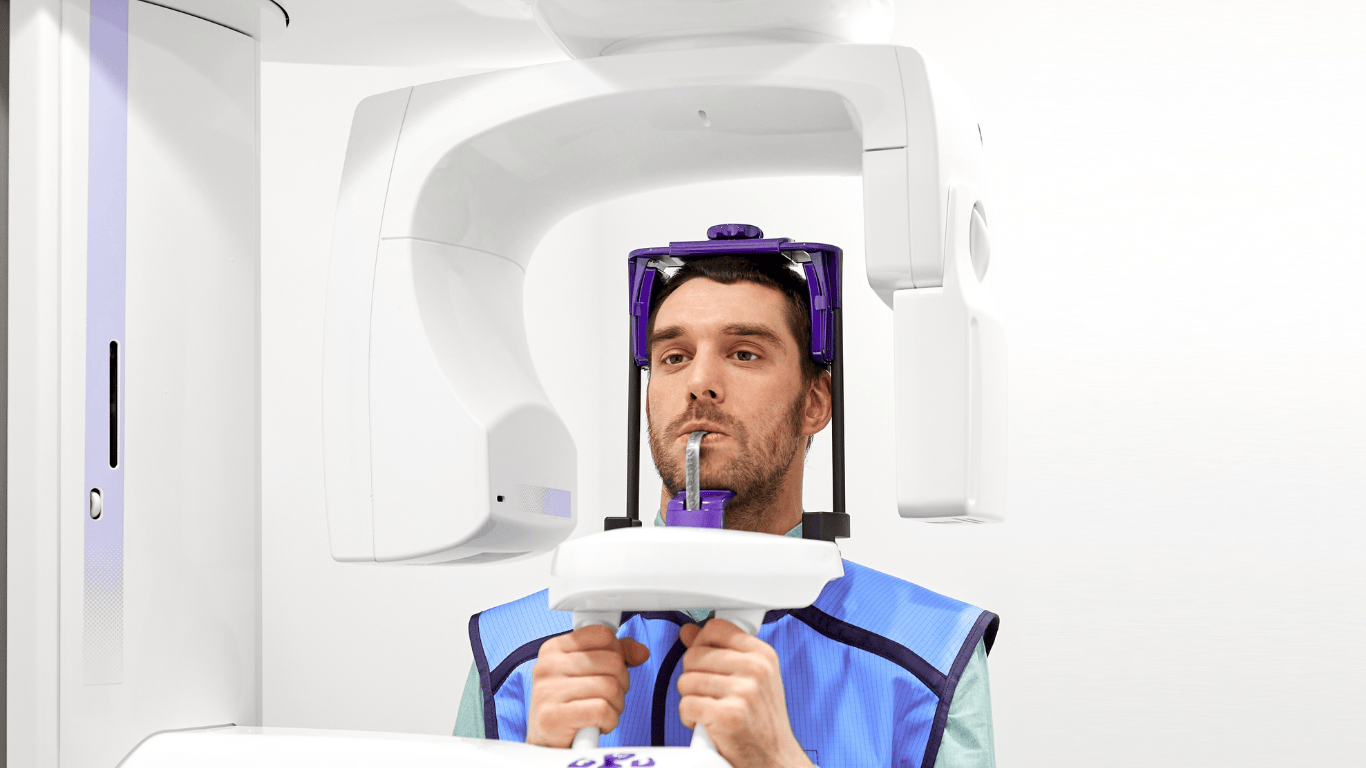
When your dentist recommends X-rays, the cost might be the last thing on your mind, but understanding what you’ll pay and why can help you budget appropriately and make informed decisions about your dental care.
Dental X-ray costs vary widely based on several factors, from the type of images needed to your insurance coverage and geographic location. Knowing what influences these prices and how to minimize your out-of-pocket expenses helps you plan for this important diagnostic tool without financial surprises.
Types of Dental X-Rays and Their Costs
Different types of dental X-rays serve specific diagnostic purposes and their costs reflect the complexity of the procedure and the amount of information they provide to your dentist.
Bitewing X-Rays
Bitewing X-rays are the most common type, showing the upper and lower back teeth in a single image. These X-rays are excellent for detecting cavities between teeth and monitoring bone levels around teeth. The procedure involves biting down on a small tab while the X-ray sensor captures images of several teeth simultaneously.
Cost factors for bitewing X-rays include the number of images taken (typically 2-4 for a complete set), whether digital or traditional film is used and regional pricing variations. Most dental offices charge $25-75 for a complete bitewing series, making them one of the most affordable X-ray options.
Frequency and coverage for bitewing X-rays vary by patient risk factors, but most insurance plans cover them annually or every 18 months as preventive care. High-risk patients may need them more frequently, which could affect insurance coverage.
Panoramic X-Rays
Panoramic X-rays capture a wide view of your entire mouth, including all teeth, jawbones and surrounding structures in a single image. The procedure involves standing or sitting still while the X-ray machine rotates around your head, taking about 10-20 seconds to complete.
The diagnostic value of panoramic X-rays includes detecting impacted wisdom teeth, jaw problems, infections, cysts and tumors that might not show up on smaller X-rays. This comprehensive view makes them valuable for treatment planning and detecting problems that aren’t causing symptoms yet.
Cost considerations for panoramic X-rays typically range from $75 to 200, with digital versions generally costing more than traditional film. The higher cost reflects the specialized equipment required and the comprehensive information provided.
Periapical X-Rays
Periapical X-rays focus on individual teeth, showing the entire tooth from crown to root tip and surrounding bone. These detailed images are essential when diagnosing specific tooth problems, planning root canal treatment, or monitoring healing after procedures.
When they’re needed includes situations like persistent tooth pain, suspected infections, or follow-up after dental procedures. Your dentist might take several periapical X-rays of different teeth, depending on the areas of concern.
Cost structure for periapical X-rays typically ranges from $15-50 per image, so multiple images can add up quickly. However, they’re usually taken only when specific problems are suspected, making them diagnostic rather than routine preventive X-rays.
Full-Mouth Series
A full-mouth series, also called an FMX, combines multiple X-ray types to provide comprehensive documentation of your entire mouth. This thorough examination typically includes 14-20 individual images covering all teeth and supporting structures.
When recommended includes new patient examinations, comprehensive treatment planning, or when it’s been several years since your last complete X-ray series. Many dentists recommend updating a full-mouth series every 3-5 years for adults with good oral health.
Investment considerations for a full-mouth series range from $100-300, making them a significant expense but also providing the most complete diagnostic information available. The cost per image is often lower when purchased as a complete series rather than individual X-rays taken over time.
Factors That Influence X-Ray Pricing
Understanding what drives X-ray costs helps you anticipate expenses and identify opportunities to manage your dental care costs more effectively.
Geographic location creates significant pricing variations across different regions. Urban versus rural pricing shows substantial differences, with metropolitan areas typically charging 50-200% more than rural locations. This reflects higher overhead costs, including rent, labor and general business expenses in urban markets. Regional economic factors also influence pricing, as areas with higher costs of living generally have higher dental fees. States like California and New York typically have higher X-ray costs than states with lower overall living costs. Competition levels in different areas affect pricing, with markets having many dental practices often showing more competitive pricing than areas with limited provider options.
Technology and equipment differences significantly impact costs across practices. Digital X-ray systems represent a substantial investment for dental practices, often costing $20,000-50,000 or more for complete systems. This investment is typically reflected in higher fees, though the improved image quality and reduced radiation exposure often justify the additional cost. Traditional film systems have lower equipment costs but ongoing expenses for film, processing chemicals and darkroom maintenance. While the per-X-ray cost might be lower, the overall process is slower and less convenient for both patients and practitioners. Specialized equipment for specific X-ray types, such as panoramic machines or cone-beam CT scanners, requires substantial investment and specialized training, contributing to higher costs for these procedures.
Practice overhead and business model factors influence pricing structures significantly. Office rent and utilities in expensive areas contribute substantially to overall practice costs, which are reflected in procedure fees including X-rays. Practices in premium locations often have higher fees across all services. Staffing costs vary by region and practice type, with specialized dental assistants and hygienists commanding higher wages in some markets. These labor costs are factored into procedure pricing. Equipment financing and maintenance costs are ongoing expenses that practices must recover through procedure fees. Newer, more expensive equipment often results in higher fees but may provide better service and results.
Insurance Coverage for Dental X-Rays
Understanding how dental insurance handles X-ray coverage helps you predict your out-of-pocket costs and plan your dental care timing to maximize benefits.
Preventive vs. Diagnostic Coverage
Routine diagnostic X-rays are typically covered at 80-100% by most dental insurance plans when performed during regular checkups or cleanings. This includes bitewing X-rays taken annually or every 18 months for cavity detection and monitoring.
Treatment-related X-rays taken to diagnose specific problems or plan treatments may be covered differently, often at 50-80% depending on your plan’s diagnostic benefit structure. These X-rays are usually covered even when taken outside regular preventive visits.
Emergency X-rays needed for urgent dental problems are generally covered under diagnostic benefits, though some plans may have different deductibles or coverage levels for emergency services.
Frequency Limitations
Annual limits are common for routine X-rays, with most plans covering bitewing X-rays once every 12 months and full-mouth series every 3-5 years. Understanding these limits helps you time your dental visits to maximize insurance benefits.
Medical necessity requirements may apply when X-rays are needed more frequently than standard coverage allows. Your dentist can provide documentation to support more frequent X-rays for high-risk patients.
Age-based variations in coverage sometimes provide more frequent X-ray benefits for children and teenagers, whose teeth and oral health change more rapidly than adults.
Pre-Authorization and Claims Process
Pre-authorization requirements are rare for routine X-rays but may be necessary for expensive procedures like cone-beam CT scans. Check with your insurance provider about requirements for specialized imaging.
Claims submission is typically handled by your dental office, with most practices filing insurance claims electronically for faster processing. Understanding your benefits beforehand helps avoid surprises about coverage levels.
Explanation of benefits statements help you understand what was covered and why, providing information you can use to plan future dental care and budget for out-of-pocket expenses.
Ways to Save Money on Dental X-Rays
Strategic planning and informed decision-making can help you minimize X-ray costs while ensuring you receive necessary diagnostic care and achieve lower dental bills overall with dental care financing.
Insurance Optimization Strategies
Timing your visits to align with your insurance plan year and benefit renewals can help you maximize coverage. If you’re approaching your annual benefit maximum, consider whether X-rays can wait until the new benefit year begins.
Understanding frequency limits helps you plan when to use your X-ray benefits most effectively. For example, if you need both routine bitewings and a panoramic X-ray, timing them appropriately can ensure both are covered.
Using preventive benefits fully each year means not leaving covered X-ray benefits unused, as most dental insurance doesn’t roll over unused benefits to the following year.
Shopping and Comparison Strategies
Getting cost estimates from multiple dental offices can reveal significant price variations for the same X-ray services. Don’t hesitate to call offices and ask about their X-ray fees before scheduling appointments.
Considering affordable dental alternatives like dental schools and community health centers can provide substantial savings, with X-rays often available at 30-50% below private practice fees. Services are performed by students under professional supervision.
Package deals and bundled services sometimes offer better value than individual X-ray fees, particularly when combined with cleanings or comprehensive exams.
Alternative Payment Options
When exploring dental costs and payment options, several strategies can help make X-rays more affordable. Dental savings plans and discount programs can provide 10-30% savings on X-rays and other dental services for an annual membership fee. These plans can be particularly valuable for people without traditional dental insurance.
Health Savings Accounts and Flexible Spending Accounts allow you to use pre-tax dollars for dental X-rays and other qualified medical expenses, providing tax savings that effectively reduce your costs.
Payment plans offered by many dental offices can help spread X-ray costs over several months, making expensive procedures like a full-mouth series more affordable.
When X-Rays Are Necessary vs. Optional
Understanding when X-rays are essential versus when they might be discretionary helps you make informed decisions about your dental care spending.
Essential X-Ray Situations
New patient examinations, including your first dental visit with a new provider, typically require X-rays to establish baseline conditions and identify existing problems. Most dentists consider initial X-rays essential for providing safe, effective treatment.
Pain or symptoms that suggest dental problems almost always warrant X-rays for accurate diagnosis. Trying to treat dental pain without proper imaging can lead to incorrect treatment and additional costs.
Treatment planning for procedures like crowns, implants, or orthodontics requires X-rays to ensure proper planning and execution. Skipping necessary imaging can result in treatment complications and additional expenses.
Emergency situations, including trauma, severe pain, or swelling typically require immediate X-rays for proper diagnosis and treatment planning.
Discretionary X-Ray Situations
Routine monitoring in low-risk patients with excellent oral health might sometimes be delayed without significant risk, particularly if previous X-rays showed no problems and oral health remains excellent.
Cosmetic evaluations for procedures that don’t address health issues may include X-rays that provide useful information but aren’t strictly necessary for the cosmetic treatment itself.
Second opinions might involve repeat X-rays that provide additional perspective but may not be essential if recent, high-quality X-rays are available from another provider.
Risk-Benefit Considerations
Individual risk assessment should guide X-ray frequency, with high-risk patients needing more frequent imaging than those with excellent oral health and low cavity risk.
Radiation exposure considerations favor using X-rays when the diagnostic benefit clearly outweighs the minimal radiation risk, particularly with modern digital systems that use very low radiation doses.
Cost-benefit analysis should weigh the expense of X-rays against the potential cost of missing problems that could become more expensive to treat if detected later.
Digital vs. Traditional X-Ray Costs
The choice between digital and traditional X-ray systems affects both the cost and quality of your diagnostic imaging.
Digital X-Ray Advantages
Image quality with digital systems is generally superior to traditional film, with better contrast and the ability to enhance images for improved diagnosis. This higher quality can lead to more accurate diagnoses and better treatment outcomes.
Speed and convenience of digital systems provide immediate results, eliminating the wait time for film development and allowing for immediate consultation about findings. This efficiency can be particularly valuable during emergency visits.
Environmental benefits include elimination of film processing chemicals and reduced waste, though these factors may be less important to individual patients than cost and quality considerations.
Storage and sharing capabilities of digital X-rays make it easier for dentists to consult with specialists or share images with other providers, potentially improving your overall care.
Cost Comparison Factors
Higher upfront fees for digital X-rays reflect the significant equipment investment required by dental practices, but may provide better value through improved accuracy and convenience.
Long-term savings potential exists with digital systems through reduced processing costs and improved efficiency, though these savings may not always be passed on to patients immediately.
Insurance coverage typically doesn’t differentiate between digital and traditional X-rays, so the choice between systems affects your out-of-pocket cost but not insurance benefits.
Understanding X-Ray Pricing Transparency
Getting clear information about X-ray costs upfront helps you budget appropriately and avoid billing surprises.
What to Ask Your Dental Office
Fee schedules for different types of X-rays should be readily available and most offices can provide specific cost information when you call to schedule appointments.
Insurance verification services offered by many dental offices can help you understand your expected out-of-pocket costs before receiving services.
Payment options and financing plans should be discussed upfront, particularly for expensive procedures like full-mouth X-ray series.
Red Flags in X-Ray Pricing
Unusually low prices may indicate outdated equipment, inexperienced staff, or practices that make up costs through other fees. Quality diagnostic imaging is worth paying for appropriately.
Surprise fees for X-ray interpretation, digital processing, or other services should be disclosed upfront. Reputable practices provide clear, comprehensive pricing information.
Pressure for unnecessary X-rays should be questioned, particularly if you’ve had recent X-rays at another office or don’t have symptoms suggesting problems.
Frequently Asked Questions
How often do I really need dental X-rays?
Frequency depends on your risk factors, but most adults need bitewing X-rays every 12-24 months and comprehensive X-rays every 3-5 years. High-risk patients may need more frequent imaging.
Can I bring X-rays from another dentist to save money?
Yes, recent X-rays (usually within 6-12 months) are often acceptable to new dentists, though they may want specific views for their treatment planning.
Why do digital X-rays cost more than traditional film?
Digital systems require significant equipment investment and ongoing software costs, but provide better image quality and immediate results.
Are there any hidden costs with dental X-rays?
Reputable practices should provide comprehensive pricing upfront. Be wary of separate charges for interpretation, digital processing, or consultation fees not disclosed initially.
Can I negotiate X-ray prices?
Some practices may offer cash discounts or payment plans. Dental schools and community clinics often provide lower-cost alternatives.
Will my insurance cover X-rays taken for a second opinion?
Coverage varies by plan, but most insurers will cover X-rays when they’re medically necessary, even for second opinions.
What’s the difference between diagnostic and treatment X-rays for insurance?
Diagnostic X-rays identify problems and are usually covered well. Treatment X-rays for planning procedures may have different coverage levels.
Making Informed Decisions About X-Ray Costs
Understanding dental X-ray costs helps you budget for necessary diagnostic care while avoiding unnecessary expenses. The key is balancing cost considerations with the important diagnostic information X-rays provide for maintaining your oral health.
Consider X-rays an investment in your long-term oral health rather than just an expense. Early detection of problems through appropriate imaging can save you significant money and discomfort compared to treating advanced dental issues.
If you’re looking for transparent pricing and quality dental care, including appropriate diagnostic imaging, consider finding a trusted dental provider using our dental directory. Start exploring today to find expert providers who can help you maintain optimal oral health while working within your budget.