






Summary
A dental bone graft is a surgical procedure that rebuilds jawbone lost due to tooth loss, gum disease, or injury—often in preparation for dental implants. Costs typically range from $250 to $3,500 or more, depending on the graft material (your own bone, donor, synthetic, or animal), the complexity of the procedure, and the provider’s location and experience. Healing usually takes 3 to 6 months, during which the graft integrates with your existing bone to form a stable foundation for future implants. Additional expenses may include imaging, anesthesia, or related treatments.
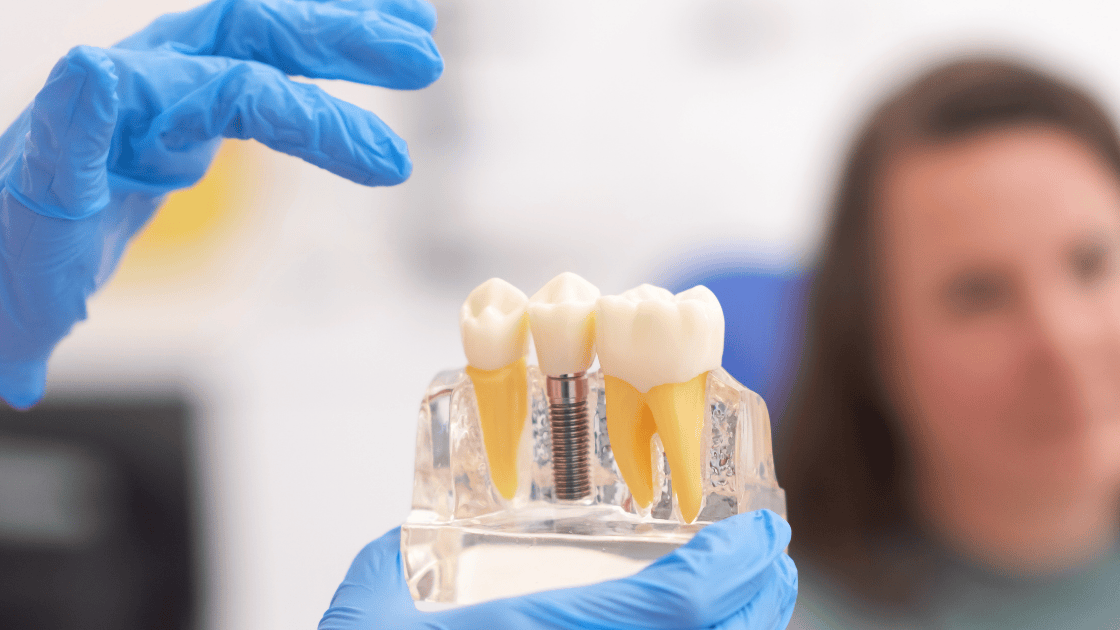
If you’re facing tooth loss or preparing for dental implants, you might have heard about dental bone grafts. These procedures play a crucial role in restoring the foundation your teeth need, especially when bone loss has occurred.
Knowing what to expect in terms of cost and treatment can help you confidently plan your dental care.
Dental bone graft cost varies depending on several factors. This guide will explain everything you need to know about the expenses involved, the healing process, and how this procedure supports your long-term oral health.
What Is a Dental Bone Graft?
A dental bone graft is a surgical procedure designed to rebuild or replace lost bone in your jaw. Over time, factors like tooth loss, gum disease, or trauma can cause your jawbone to shrink or weaken. This bone loss can make it challenging to support dental implants or maintain overall oral health.
During a dental bone graft procedure, a specialist, often an oral surgeon, adds bone material to the area where the bone has deteriorated. This graft provides a solid foundation, encouraging new bone growth so your jawbone can regain strength and volume. The graft material can come from your own body, a human donor, synthetic sources, or even animal bone.
This rebuilding process is essential for anyone considering tooth replacement options, as a strong bone structure supports implants and protects adjacent teeth.
When Is a Dental Bone Graft Needed?
A dental bone graft becomes necessary when your jaw lacks enough healthy bone to support dental implants or maintain proper oral function. This often happens after a tooth extraction, especially if the tooth root has been missing for some time, allowing bone loss or bone resorption to occur.
Other common causes include periodontal disease or gum disease, leading to significant bone loss around the teeth. If you’ve suffered trauma or injury to the jaw, you might also require bone grafting to rebuild lost bone mass.
An oral surgeon or dentist typically recommends a bone graft after a thorough dental exam, especially if you plan to replace missing teeth with dental implants. Bone graft surgery can also be part of ridge augmentation procedures, which reshape or rebuild the jawbone to provide a stable implant base.
Types of Bone Graft Materials and Options
When it comes to dental bone grafting, the choice of graft material is a key factor that influences both the procedure and the overall cost. Several options are available, each with its own benefits depending on your specific needs.
- Own Bone (Autograft): This involves using bone harvested from another part of your body, such as your jaw, hip, or chin. Because it’s your own tissue, it tends to integrate well with existing bone and encourages new bone growth effectively.
- Human Donor Bone (Allograft or Cadaver Bone): This graft material comes from a human donor and is processed to ensure safety. It avoids the need for a second surgical site, making the procedure less invasive.
- Synthetic Bone Material: Made from biocompatible substances, synthetic bone acts as a scaffold to support new bone growth. It eliminates the risks associated with donor tissue and is often more affordable.
- Animal Bone (Xenograft, such as Cow Bone): Processed animal bone is another option that provides a natural structure to support new bone development. It’s treated to be safe and effective for grafting.
In some cases, oral surgeons may use platelet-rich plasma (PRP) to enhance the healing process. PRP uses components from your blood to promote faster recovery and improve graft integration.
Your oral surgeon will discuss the best bone grafting options based on your jawbone condition, overall oral health, and treatment goals.
How Much Does a Dental Bone Graft Cost?
The cost of a dental bone graft varies widely depending on several factors, making it essential to get a personalized estimate from your oral surgeon. The dental bone graft cost can range from a few hundred to several thousand dollars.
Key factors influencing the graft cost include:
- Type of Bone Graft Material: Using your own bone (autograft) may cost more due to the additional surgical site, while synthetic bone or donor bone (cadaver bone) can vary in price.
- Complexity of the Surgical Procedure: The size and location of the grafting site, along with whether you require ridge augmentation or multiple grafts, affect the overall price.
- Surgeon’s Experience and Location: Fees may be higher in some geographic regions or with highly experienced oral surgeons.
- Additional Procedures: Costs can increase if the bone graft is part of a larger treatment plan that includes tooth extraction, dental implant placement, or other oral surgery.
According to Precision Periodontics and Implant Dentistry, a dental practice with offices in Virginia and Washington, D.C., the estimated cost ranges from $250 to $3,000.
The procedure becomes more complex and costly for patients requiring a bone graft using their own bone. This approach necessitates hospitalization for bone extraction and the involvement of an orthopedic surgeon and an anesthesiologist, leading to higher expenses. Precision Periodontics estimates the cost for such a procedure to be between $2,500 and $3,500.
Extra costs for diagnostic imaging, such as X-rays or CT scans, can range from $250 to $1,000, depending on the specific procedures required.
The Dental Bone Graft Procedure
The dental bone graft procedure typically follows these steps:
- Initial Assessment: Your oral surgeon performs a dental exam and imaging to evaluate bone loss and determine the grafting site.
- Anesthesia Administration: Local anesthesia is applied to numb the area. Depending on the case, oral sedation or IV sedation may be offered for added comfort.
Incision in the Gum: A small surgical incision is made in the gum tissue to expose the underlying bone where the graft will be placed. - Placement of Graft Material: The graft material, whether from your own body, a donor, synthetic sources, or animal bone, is carefully positioned at the graft site.
- Closing the Surgical Site: The incision is stitched closed to protect the area and support healing.
- Blood Clot Formation: A blood clot forms over the graft, which is crucial for the healing process and new bone growth.
- Post-Operative Care Instructions: You’ll receive guidance on caring for the surgical site, including pain management and dietary recommendations.
Preparing for Your Dental Bone Graft Surgery
Before your dental bone graft surgery, you’ll consult your oral surgeon to evaluate your oral health and discuss the treatment plan. This dental exam will include imaging to assess bone loss and identify the grafting site.
Your surgeon will explain the surgical procedure in detail, including anesthesia options such as local anesthesia, oral sedation, or IV sedation to ensure your comfort during the operation.
It’s essential to follow any pre-surgery instructions, which may include avoiding certain medications, quitting smoking, or adjusting your diet to prepare your body for healing.
Maintaining good overall oral health before surgery can improve outcomes and reduce the risk of complications. After the procedure, your surgeon will provide detailed instructions to support healing and minimize pain.
Being well-prepared helps make the dental bone graft surgery and recovery process as smooth as possible.
Dental Bone Graft Healing and Recovery
After dental bone graft surgery, your body begins to heal to integrate the graft material with your existing bone. Healing times can vary, but it generally takes several months to build enough new bone for dental implant placement.
During this healing phase, it is important to follow your oral surgeon’s instructions carefully to support recovery and avoid complications. You may be advised to eat soft foods to reduce pressure on the graft site and minimize pain. Maintaining good oral hygiene without disturbing the surgical site is also essential.
The graft site will gradually form new bone tissue, creating a solid foundation for tooth replacement. Some patients experience mild swelling, discomfort, or bleeding in the days following surgery; Your doctor may prescribe pain relievers or recommend ice packs to manage these symptoms.
Techniques like platelet-rich plasma, which promotes faster tissue regeneration, can enhance healing. Regular follow-up visits will allow your oral surgeon to monitor progress and ensure the graft is integrating well.
Being patient during this healing process is critical. Rushing dental implant placement before the bone graft has fully healed can compromise the success of your treatment.
Dental Bone Graft and the Dental Implant Process
A dental bone graft often plays a critical role in preparing your jaw for dental implants. When bone loss occurs, there may not be enough bone mass to securely anchor implants, which are essential for replacing missing teeth.
The bone grafting procedure rebuilds and strengthens the jawbone, providing a solid foundation for the dental implant placement. After the grafting site heals—typically over several months—the oral surgeon can proceed with the next steps in the dental implant process.
Timing is essential: rushing implant placement before the bone graft has fully integrated can jeopardize the implant’s stability and long-term success. Your dental team will carefully plan the sequence of treatments to maximize outcomes.
With a healthy, grafted jawbone, dental implants can function effectively to restore your smile and oral health.
FAQs About Dental Bone Graft Procedure
Understanding the dental bone graft procedure and its costs can raise many questions. To help you feel more confident and informed, we’ve answered some of the most common concerns about bone graft surgery, healing, and insurance coverage.
Is dental bone graft surgery painful?
Most patients experience some discomfort during recovery, but local anesthesia and sedation keep you comfortable during the procedure. Pain relievers and proper aftercare help manage post-surgery soreness.
How long does dental bone graft healing take?
Healing typically takes several months, often three to six months, depending on the graft size, material used, and individual health factors.
What are the alternatives to bone grafting?
In cases of insufficient bone, alternatives may include shorter or narrower implants or implant-supported dentures, but these options depend on your oral condition.
Can I eat normally after the surgery?
Your surgeon will likely recommend soft foods during the initial healing phase to minimize pain and avoid disturbing the graft site.
Take the Next Step Toward Restoring Your Smile
Dental bone grafting is important for many patients looking to restore their oral health and successfully replace missing teeth with dental implants.
While the procedure and healing process require patience and care, the result is a stronger, healthier jawbone that provides a solid foundation for long-term dental restoration. Working closely with your oral surgeon and dental team ensures you get the best care tailored to your needs.
If you’re considering a dental bone graft or need expert advice, start by scheduling a dental exam with a trusted professional. Visit Sunbit’s directory to find experienced oral surgeons and dental providers near you who can guide you through your options and provide personalized cost estimates.