



Summary
This guide explains common and less common causes of car overheating, from low coolant levels and leaks to faulty thermostats and water pumps. It provides practical tips for preventing overheating through regular maintenance and outlines crucial steps to take if your car’s engine temperature starts to rise, emphasizing the importance of timely intervention to avoid costly damage.
Key Points
- Regularly check and maintain coolant levels to prevent your engine from overheating.
- Inspect the radiator, hoses, and water pump for leaks and wear to ensure proper coolant circulation.
- Replace a faulty thermostat promptly to avoid disruptions in coolant flow.
- Ensure the radiator fan is working correctly to dissipate heat effectively.
- If your car overheats, pull over safely, turn off the AC, turn on the heater, and allow the engine to cool before taking further action or calling for professional help.
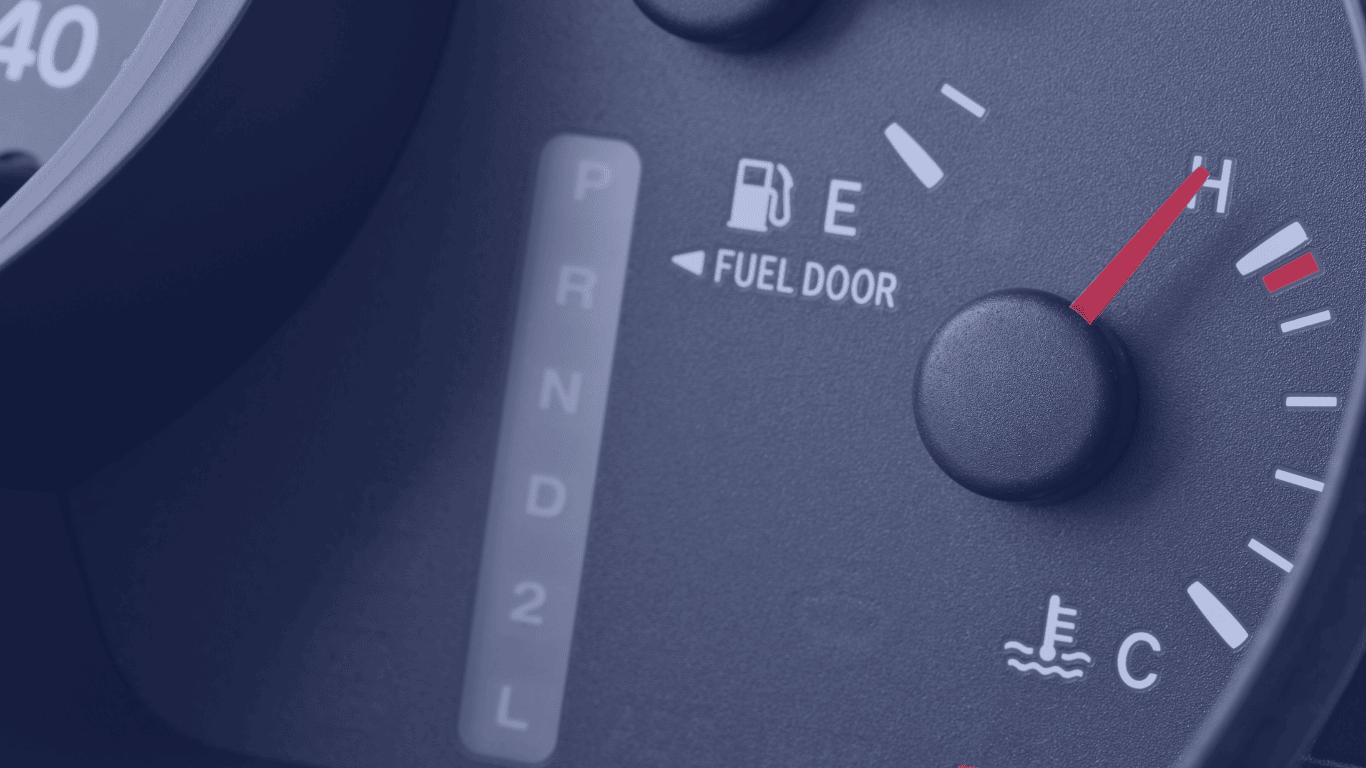
Dealing with an overheating engine can be a stressful and frustrating experience, especially if it happens unexpectedly on the road.
Not only can an overheated engine cause your car to break down, but it can also lead to long-term damage if not addressed quickly.
Understanding what causes your car to overheat and taking preventive steps can save you from expensive repairs and keep your vehicle running smoothly.
This guide will help you identify common causes of engine overheating, spot the signs early, and take steps to prevent overheating from becoming a major issue.
The Basics of Engine Overheating
To understand why your car might overheat, it’s important to know how the engine’s cooling system works.
The engine generates a significant amount of heat as it operates, and without a reliable cooling system, that heat can quickly damage the engine. The cooling system uses coolant (also known as antifreeze) to absorb heat from the engine and transfer it to the radiator, where the heat is released.
This process is critical for maintaining the engine’s temperature within a safe operating range.
If any component in this system fails, such as the radiator, thermostat, water pump, or coolant levels, your car’s engine temperature can rise rapidly, leading to overheating.
Understanding these components and how they work together can help you identify issues before they cause significant damage.
Common Causes of Car Overheating
Several common issues can cause your car to overheat. Here are the most frequent culprits:
1. Low Coolant Levels
Coolant, also known as antifreeze, plays a crucial role in regulating engine temperature.
If the coolant level is low, the engine can’t properly dissipate heat, leading to overheating. Coolant can leak over time or evaporate, especially if there’s a problem with the cooling system.
How to Prevent It: Always check coolant levels regularly and top up when needed. If you notice frequent coolant loss, it may be a sign of a leak or a problem with the radiator, hoses, or seals. Inspect your cooling system for cracks or wear that could lead to leaks.
2. Coolant Leaks
Even small leaks in the cooling system can lead to big problems. The radiator, hoses, or water pump are common areas where leaks can develop.
If there’s a leak, the car will lose coolant, which compromises the system’s ability to cool the engine properly.
How to Prevent It: Regularly inspect the radiator, hoses, and water pump for visible leaks. If you notice any puddles of coolant under the car, you may have a leak that needs to be addressed immediately. A well-maintained system is key to preventing coolant loss and avoiding overheating.
3. Broken Thermostat
The thermostat regulates the flow of coolant through the engine. If the thermostat becomes stuck in the closed position, it prevents coolant from circulating properly, which can lead to the engine overheating.
How to Prevent It: Keep an eye out for signs that your thermostat might be malfunctioning, such as irregular engine temperature or overheating after a short time of driving. If you suspect an issue with the thermostat, have it replaced promptly to avoid further engine damage.
Less Common Causes of Overheating
In addition to the common causes listed above, a few less frequent problems can also lead to engine overheating.
1. Blocked Radiator Fan
The radiator fan is responsible for pulling air through the radiator to cool the coolant. If the fan malfunctions or becomes blocked, the cooling system may not be able to release enough heat, causing the engine to overheat.
How to Prevent It: Ensure the radiator fan is working properly by checking the fan’s motor and the electrical connections. Make sure nothing is blocking airflow, such as debris or dirt.
2. Faulty Water Pump
The water pump is a vital component in circulating coolant throughout the engine. If it fails, the coolant won’t flow properly, leading to overheating.
How to Prevent It: Regularly check the water pump for leaks, corrosion, or signs of wear. If the pump is making strange noises or the coolant isn’t circulating correctly, it may need to be replaced.
3. Faulty Belts or Hoses
If the belts or hoses in your car’s cooling system are worn out or damaged, they can’t maintain proper coolant flow. This can lead to overheating and potentially cause engine damage.
How to Prevent It: Inspect belts and hoses for cracks, frays, or visible damage, especially if you’re nearing the recommended replacement time. Replacing worn belts or hoses before they fail can prevent overheating issues down the line.
Preventing Car Overheating
Preventing overheating is all about maintaining your vehicle properly and being proactive about potential issues. By taking a few simple steps, you can reduce the risk of your engine overheating and extend the lifespan of your car.
1. Regularly Check Coolant Levels
One of the simplest ways to prevent overheating is by checking your coolant levels regularly. Coolant is essential for absorbing and dissipating heat, and low levels can quickly lead to overheating. Ensure that your coolant reservoir is filled to the recommended level and replace coolant as necessary, typically every 30,000 miles or so, depending on your vehicle’s needs.
Tip: If you frequently top off the coolant, it may indicate a leak somewhere in the system. Keep an eye out for coolant puddles under the vehicle or around hoses and the radiator.
2. Perform Routine Radiator Maintenance
The radiator is crucial for cooling your engine, so it’s essential to keep it in good working condition. Over time, dirt, debris, and rust can clog the radiator, preventing it from effectively releasing heat. Ensure your radiator is clean and free of blockages, and periodically flush it to remove built-up sludge or minerals that could impede performance.
Tip: Be sure to check for leaks around the radiator. If you see any signs of fluid loss or corrosion, it’s time for a repair or replacement.
3. Replace the Thermostat Regularly
The thermostat controls the flow of coolant through the engine, and if it’s not working correctly, the engine can overheat. Be sure to replace the thermostat according to the manufacturer’s recommended schedule, or sooner if you notice any issues like fluctuating engine temperatures or overheating.
Tip: If your car begins to overheat, but the radiator and coolant are fine, a malfunctioning thermostat could be the cause.
4. Keep the Radiator Fan in Good Condition
The radiator fan is responsible for pulling air through the radiator to cool the coolant. If this fan malfunctions, the cooling process will be disrupted, leading to overheating. Ensure the fan is operating correctly by checking the fan motor, wiring, and relays.
Tip: You can test the radiator fan by turning on your car and checking if it activates when the engine reaches a warm temperature. If it doesn’t, it could be a sign of a malfunction.
5. Maintain Proper Tire Pressure
While this may seem unrelated, under-inflated tires can increase engine load, which could cause your engine to overheat. Ensure your tires are properly inflated to the recommended pressure to avoid unnecessary strain on the engine.
What to Do If Your Car Starts to Overheat
If you notice that your car’s engine temperature gauge is rising, it’s important to act quickly to prevent significant damage. Here’s what you should do if your car starts to overheat:
1. Pull Over Safely
As soon as you notice your engine temperature rising or the warning light indicating overheating, pull over to a safe spot. Continuing to drive while the engine is overheating can cause severe damage to the engine, potentially leading to a costly repair.
Tip: Find a safe place to park and turn off the engine. If you’re on a highway, try to pull off into a rest area or shoulder.
2. Turn Off the AC and Turn On the Heater
This may seem counterintuitive, but turning on the heater and fan will help dissipate some of the engine’s heat. The heat from the car’s interior will be redirected away from the engine, helping to cool it down temporarily.
Tip: Keep the windows down to prevent the cabin from getting too hot. If you’re in a safe location, consider waiting for the engine to cool before you restart.
3. Check the Coolant Level
Once your car has cooled down enough, pop the hood and check the coolant level. If it’s low, top it off with the appropriate coolant. However, don’t open the radiator cap if the engine is still hot, as hot steam or coolant may escape, causing burns.
Tip: Always carry extra coolant in your car to help prevent overheating in emergency situations.
4. Let the Engine Cool Down
If you can’t determine the cause of the overheating or the car is still hot, it’s best to let the engine cool down for at least 30 minutes. Attempting to drive immediately after the engine has overheated can cause further damage.
Tip: Check the temperature gauge every few minutes to see if the engine temperature is decreasing. If it remains high, you may need to call a tow truck or roadside assistance.
5. Call for Help if Necessary
If you can’t identify the problem or the car continues to overheat after a short time, it’s best to call for professional assistance. Overheating can indicate serious mechanical issues, and continuing to drive the car can cause irreversible damage.
Keep Your Car’s Engine Running Cool and Smooth
Preventing your car from overheating starts with understanding the common causes and taking proactive steps to maintain your vehicle’s cooling system.
Regular inspections of key components, such as coolant levels, the radiator, and the thermostat, can help prevent major issues before they cause significant damage.
Remember, a little attention today can prevent big problems tomorrow. Keep your car in top shape, and your engine will thank you with better performance, efficiency, and reliability.
For help maintaining your vehicle’s cooling system and keeping it in top condition, explore trusted automotive repair providers through Sunbit’s auto repair provider directory. Find the right professional to ensure your car runs cool, no matter where the road takes you.