



Summary
Water pump failure creates eight warning signs that progress from minor coolant leaks to catastrophic engine overheating, with repair costs ranging from $400-$1,200 for pump replacement versus $3,000-$8,000 for engine damage if ignored. Early symptoms like small leaks, unusual noises, and slight overheating can be addressed before complete pump failure destroys expensive engine components. Understanding these symptoms and acting promptly prevents one of automotive repair’s most devastating cascade failures.
Key Points
- Pump failure destroys engines in minutes
- Early symptoms cost $400-$800 to address
- Ignoring signs causes $5,000+ engine damage
- Professional replacement prevents catastrophic failure
- Coolant leaks demand immediate attention
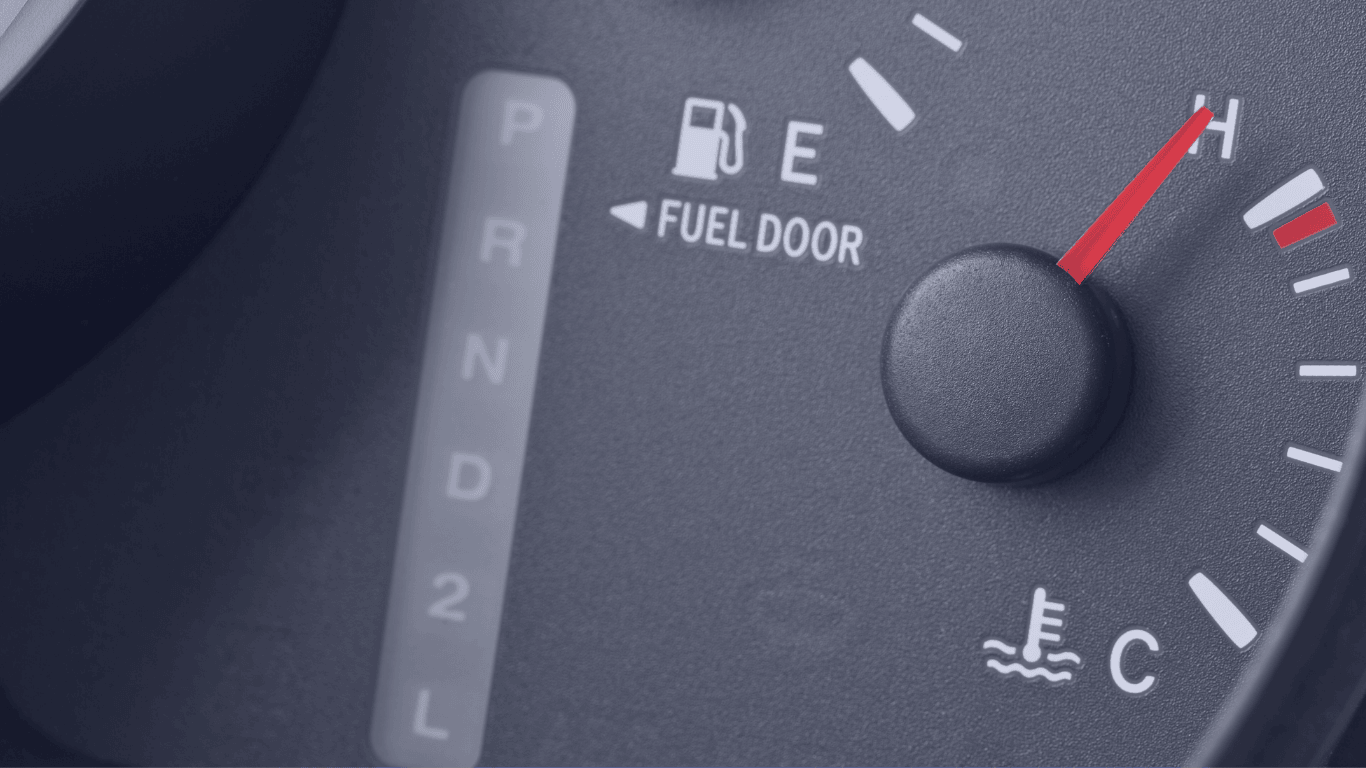
That sinking feeling when your temperature gauge creeps into the red zone during rush hour traffic, and you realize the sweet smell filling your car isn’t air freshener, it’s coolant vapor signaling your engine’s cooling system is failing in real time. The steam rising from under your hood isn’t dramatic effect; it’s your engine literally cooking itself while you watch helplessly from behind the wheel.
Welcome to water pump failure, the automotive emergency that can transform your reliable daily driver into an expensive paperweight in the time it takes to drive a few more miles, hoping you can make it home before complete disaster strikes.
Here’s what makes water pump failure particularly devastating: your engine can suffer thousands of dollars in irreversible damage within minutes of losing coolant circulation. What starts as a small leak or unusual noise can escalate to complete engine destruction faster than you can say “I should have stopped driving when I first noticed that puddle under my car.”
But water pump failure rarely happens without extensive warning signs that give you opportunities to prevent catastrophic engine damage. Learning to recognize the eight critical symptoms, understanding when immediate action becomes essential, and knowing how to respond can mean the difference between a manageable $600 repair and a devastating $6,000 engine replacement that leaves you questioning every automotive decision you’ve ever made.
Your Water Pump: The Heart of Engine Survival
Your water pump is your engine’s lifeline, circulating coolant through a complex network of passages that prevents your engine from literally melting its internal components. When this critical component fails, you’re not just facing inconvenience, you’re racing against time before heat destroys precision-machined parts that cost thousands to replace.
Critical cooling system components work together to prevent engine destruction. The water pump circulates coolant throughout the engine and radiator, while the radiator removes heat from coolant before returning it to the engine. Additionally, the thermostat regulates coolant flow based on engine temperature, and coolant passages serve as internal engine channels that carry heat away from cylinders. Finally, hoses and connections transport coolant between all these components.
When your water pump fails, this entire system collapses, and your engine begins destroying itself through uncontrolled heat buildup that can warp cylinder heads, crack engine blocks, and seize pistons in their cylinders.
The Cascade Effect: How Water Pump Failure Destroys Engines
Understanding the timeline of engine destruction emphasizes why immediate action is essential. During minutes 1-5, coolant circulation stops and engine temperature rises rapidly. Minutes 5-10 bring cylinder head warping and gasket failure beginning. Minutes 10-15 see engine block stress and potential cracking of major components. Beyond 15 minutes, complete engine seizure occurs, requiring total replacement.
This timeline explains why water pump problems demand immediate attention, continued driving with pump failure virtually guarantees engine destruction that costs exponentially more than pump replacement.
The 8 Critical Symptoms of Water Pump Failure
1. Engine Overheating
The ultimate warning appears when the temperature gauge climbs toward the red zone, especially during stop-and-go traffic or climbing hills. Immediate action is required when the gauge enters the red zone, since failed pumps can’t circulate coolant, causing rapid temperature buildup. The cost of ignoring this symptom includes engine damage beginning within minutes, potentially totaling $3,000-$8,000.
Emergency protocol demands pulling over safely, turning off the engine, and calling for professional help, never attempt to drive an overheating vehicle.
2. Coolant Leaks Under the Vehicle
This early warning sign presents as puddles of bright green, orange, or pink fluid under your parked car. Location significance matters because leaks near the front-center of engine bay typically indicate water pump problems. The progression pattern shows small drips evolving into steady leaks as pump seals deteriorate. As a diagnostic tip, fresh coolant feels slippery and has a distinctive sweet smell.
This matters because even small coolant leaks lead to low coolant levels that cause overheating and engine damage.
3. Whining or Grinding Noises from Engine Bay
Sound characteristics include high-pitched whining, grinding, or clicking sounds that change with engine RPM. These sounds typically originate from the front of the engine where the water pump is mounted. The progression starts subtle but becomes unmistakable as bearing wear advances. Any grinding noise represents a danger sign indicating imminent complete failure.
Critical point: Stop driving immediately when grinding noises develop, continued operation can cause sudden, complete pump failure.
4. Steam Rising from Engine Bay
This visual warning appears as visible steam or vapor emerging from under the hood during normal driving. The immediate response requires stopping driving immediately and turning off the engine. Steam indicates coolant reaching dangerous temperatures and vaporizing, representing an emergency nature since steam indicates overheating that can destroy engines in minutes.
Safety note: Never open the radiator cap when the engine is hot, pressurized coolant can cause severe burns.
5. Coolant Contamination in Engine Oil
Check your dipstick for oil that appears milky, chocolate-colored, or foamy instead of clear amber or black. This indicates internal coolant leaks allowing antifreeze to mix with engine oil. The damage potential includes contaminated oil destroying engine bearings and requiring immediate attention. Cost implications often involve engine tear-down, potentially creating $2,000-$5,000 repairs.
Action required: Stop driving immediately and seek professional diagnosis, contaminated oil can seize engines rapidly.
6. Rough Idle or Engine Performance Issues
Performance symptoms include engines running rough, misfiring, or losing power, especially when hot. The connection to water pump problems occurs because overheating causes multiple engine systems to malfunction. Progression usually occurs after other symptoms have been ignored. This represents a warning sign when performance problems combine with cooling issues to indicate serious overheating damage.
7. Rust or Corrosion Around Water Pump Area
Visual inspection reveals orange, brown, or white crusty deposits around pump housing. This indicates long-term coolant leaks that have dried and left mineral deposits. Timeline significance usually indicates the pump has been leaking for weeks or months, requiring professional inspection to determine remaining pump life.
This represents a prevention opportunity since catching corrosion early allows planned replacement before emergency failure.
8. Rapid Coolant Loss Without Visible Leaks
This mysterious symptom involves coolant reservoirs emptying regularly despite no obvious external leaks. The hidden problem involves internal pump seal failure allowing coolant to leak into the engine. This represents a high danger level indicating internal cooling system compromise that requires professional pressure testing to locate internal leaks.
This is serious because internal coolant leaks often indicate multiple system failures requiring extensive repair.
Water Pump Replacement: Costs and Complexity
Professional Replacement Cost Breakdown
Standard water pump replacement costs $400-$800, including $100-$300 for parts like water pump assembly and $300-$500 for 3-5 hours of professional work. Additional costs cover coolant, gaskets, and thermostats often replaced simultaneously.
Timing belt-driven pump replacement costs $800-$1,500 as a combined service with timing belt and water pump replacement. This provides labor savings through significant overlap in removal procedures and prevention value by avoiding repeating expensive disassembly labor.
Luxury and complex vehicles cost $1,000-$2,000, with European imports requiring premium parts and specialized expertise. All-wheel-drive systems add complexity and labor time, while some engine designs require extensive disassembly for pump access.
The Cost of Ignoring Water Pump Problems
Engine damage progresses through several expensive stages. Warped cylinder heads require $1,500-$3,000 repairs, while blown head gaskets demand $2,000-$4,000 replacement. Cracked engine blocks necessitate $4,000-$8,000 engine replacement, and complete engine seizure requires $5,000-$10,000 total replacement.
Emergency repair premiums add significant costs including $150-$400 towing costs for overheating breakdowns. Emergency labor rates run 50-100% higher than planned maintenance, while rental car expenses add $40-$70 daily during extended repairs.
Diagnosis: Confirming Water Pump Problems vs. Other Cooling Issues
Water Pump-Specific Symptoms
Definitive water pump indicators include several clear signs. First, coolant leaks from the front-center of engine bay specifically point to pump problems. Additionally, grinding noises that change with engine RPM indicate bearing failure. Furthermore, visible shaft play in pump pulley requires professional diagnosis, while pump housing corrosion or obvious damage provides clear evidence.
Other Cooling System Problems That Mimic Pump Failure
Several other cooling system problems can mimic pump failure with different repair costs and symptoms. Thermostat failure costs $150-$300 to repair and presents with overheating without coolant leaks, temperature fluctuations or stuck-open symptoms, and usually less expensive solutions than pump replacement.
Radiator problems cost $400-$800 to repair and show external coolant leaks from radiator body, gradual overheating rather than sudden failure, and visible damage or corrosion on the radiator. Cooling fan issues cost $200-$500 to repair and cause overheating primarily during idle or slow driving, normal temperatures during highway driving, and visible fan operation problems.
Coolant hose failures represent the least expensive option at $100-$300 repair costs, showing obvious hose leaks or swelling, much less expensive repairs than pump replacement, and usually visible external problems.
Professional Diagnosis Value
Comprehensive cooling system inspection costs $150-$250 but includes pressure testing to isolate leak sources, temperature monitoring and flow testing, and complete system evaluation preventing misdiagnosis. This often saves money by identifying actual problems versus assumptions about what needs repair.
DIY Limitations: Why Water Pump Replacement Requires Professionals
Why Water Pump Replacement Isn’t DIY Territory
Technical complexity makes professional service essential for several reasons. First, precise timing requirements on timing belt engines demand specialized knowledge. Additionally, engine support is required during pump replacement, while specialized tools ensure proper installation. Furthermore, critical torque specifications prevent leak problems that can cause immediate failure.
Safety considerations include working with hot coolant and pressurized systems, risk of engine damage from improper installation, and potential for catastrophic failure if incorrectly assembled. Economic reality shows that specialty tools cost more than professional labor, risk of additional damage from improper procedures often exceeds professional costs, and warranty protection is only available through professional installation.
Safe DIY Territory for Cooling System Care
Appropriate homeowner maintenance includes several important tasks. First, coolant level monitoring and top-off prevents low coolant conditions. Additionally, visual inspection for obvious leaks helps catch problems early. Furthermore, radiator cleaning and debris removal maintains proper airflow, while coolant temperature monitoring during driving provides early warning.
Success with DIY cooling work requires understanding of cooling system operation, proper safety equipment for hot systems, quality coolant matching vehicle specifications, and patience for proper bleeding procedures.
Prevention: Extending Water Pump Life and Preventing Failure
Maintenance Practices That Protect Water Pumps
Regular coolant service every 60,000-100,000 miles provides multiple benefits. First, it prevents corrosion that damages pump seals and maintains proper pH levels protecting metal components. Additionally, it removes contaminants that cause pump wear, with service costing $150-$300 versus $800+ pump replacement.
System monitoring should include monthly coolant level checks, annual inspection for leaks or corrosion, temperature gauge awareness during driving, and professional cooling system inspection every 30,000 miles.
Driving Habits That Extend Pump Life
Engine care practices significantly impact pump longevity. First, allow proper warm-up in cold weather to prevent thermal shock. Additionally, don’t ignore overheating warnings since continued operation causes immediate damage. Furthermore, address cooling system problems immediately before they worsen, and maintain proper coolant mixture ratios for optimal protection.
Environmental considerations include using appropriate coolant for climate conditions, protecting the system from contamination, addressing external leaks before they worsen, and scheduling maintenance before failure occurs.
Emergency Response: What to Do When Water Pump Fails
Immediate Actions for Cooling System Emergencies
If the temperature gauge enters the red zone, stop driving immediately by pulling over safely and turning off the engine. Do not open the radiator cap since pressurized hot coolant can cause severe burns. Call for professional help because continued driving guarantees engine damage, and document symptoms by noting what led to overheating for diagnostic help.
If you see steam from the engine bay, stop immediately since steam indicates dangerous overheating. Turn off the engine because every second of operation causes more damage, exit the vehicle safely since hot coolant can spray unexpectedly, and arrange towing rather than attempting to drive to a repair shop.
Temporary Measures (Emergency Only)
Adding coolant to overheated engines requires extreme caution. Never add cold coolant to hot engines since thermal shock can crack engine blocks. Wait for the engine to cool completely, typically 30-60 minutes minimum. Use proper coolant mixture and never use plain water except in emergencies. Seek professional service immediately since temporary measures don’t fix underlying problems.
Take Action Before Warning Signs Become Disaster
Water pump failure represents one of automotive repair’s most time-sensitive emergencies, where continued driving after symptoms appear virtually guarantees catastrophic engine damage costing thousands more than prompt pump replacement. Those early warning signs, small coolant leaks, unusual noises, or slightly elevated temperatures, aren’t minor inconveniences to monitor but urgent alerts that immediate action can address before escalating into complete cooling system failure and engine destruction.
For professional water pump diagnosis and expert replacement services that prevent catastrophic engine damage, visit Sunbit’s auto repair directory. Don’t gamble with cooling system problems, get professional help before warning signs become expensive disasters.