






Summary
Tire blowouts are a serious safety concern, often caused by improper maintenance and exacerbated by factors like high temperatures, overloading, and road hazards. This guide emphasizes proactive tire care, including regular pressure checks, timely rotations, and awareness of tire age, to prevent blowouts and ensure vehicle safety.
Key Points
- Maintain correct tire pressure: Under- or over-inflation can lead to heat buildup and structural damage.
- Regularly inspect tires for wear, cracks, bulges, and tread depth.
- Ensure proper tire balancing and alignment to promote even wear and reduce strain.
- Manage vehicle load and speed to prevent excessive heat generation in tires.
- Practice defensive driving to avoid road hazards like potholes and debris.
- Adhere to tire aging guidelines for replacement, even if tread appears healthy.
- Know the emergency response plan for a blowout to maintain control and safety.
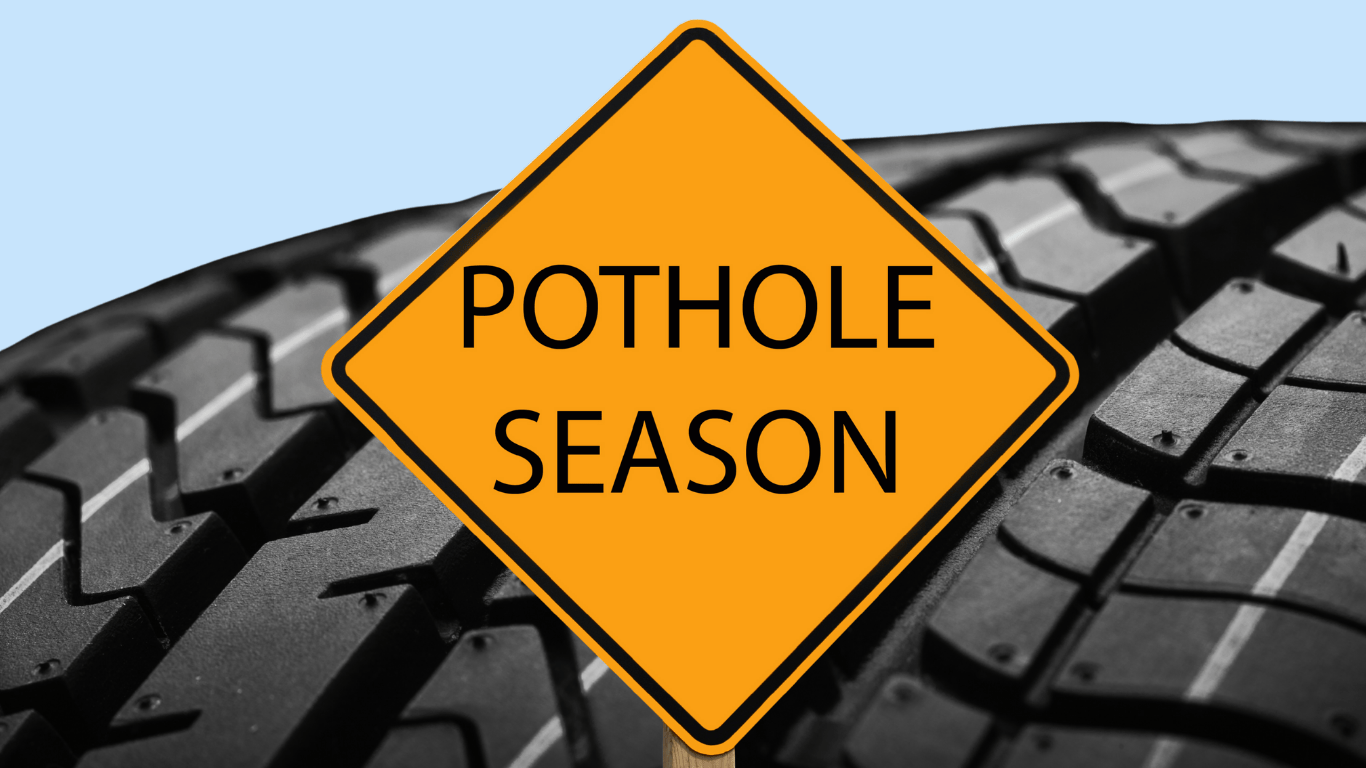
Regular tire care costs significantly less than dealing with the aftermath of a blowout, including towing services, rim replacement, and accident-related expenses.
Tire failures are particularly common during the warmer months, commonly referred to as “blowout season,” which spans from May to October. High temperatures increase the likelihood of tire emergencies due to the heat generated within improperly maintained tires.
By being proactive in your tire maintenance, you can significantly mitigate these risks.
Whether it’s ensuring the right tire pressure or inspecting for wear and tear, these preventative steps are accessible and manageable for all drivers, independent of their technical expertise.
Keep Tire Pressure in the Safe Zone
Your tires are like balloons holding up a two-ton machine. Get the pressure wrong, and you’re asking for trouble.
Effects of Improper Inflation:
- Underinflated tires flex too much with every rotation, creating heat that weakens the rubber’s internal structure. This heat buildup can cause a potentially hazardous blowout at highway speeds, especially during summer heatwaves.
- Overinflated tires create the opposite problem. Less rubber contacts the road, so every pothole impact goes straight into an overstressed, brittle casing.
Check your tire pressure once a month, preferably in the morning before driving. Cold tires provide the most accurate reading, as heat from driving or sun exposure affects the air inside.
Your target pressure number is printed on the driver-side door jamb sticker or in your owner’s manual. Don’t use the number molded onto the tire sidewall. That’s the maximum limit, not your recommended pressure.
A basic pressure gauge costs under $15 and beats visual inspection every time. Tire pressure changes about one PSI for every 10°F temperature swing, so what looks fine in cool morning air can drop into the danger zone after a cold front.
Many cars have Tire Pressure Monitoring Systems (TPMS), and they’re helpful as backup alerts. However, most TPMS lights don’t activate until pressure drops about 25% below specification; well past the point at which your handling, braking, and fuel economy have already suffered.
A two-minute manual check keeps you ahead of the sensor and out of the breakdown lane.
Replace or Rotate Worn Tires Before Trouble Strikes
Your tires should last 40,000–60,000 miles, but only if you stay on top of tread depth and wear patterns. Once tread drops below 2/32 inch, wet-road grip is seriously compromised and the risk of tire failure increases.
How to Check Tread Depth:
- The penny test: Slip a penny into the groove with Lincoln’s head upside-down. If you can see the top of his head, you need new tires.
- Built-in wear bars: These sit flush with the tread at 2/32 inch, providing a visual warning.
Tread depth isn’t your only concern. Walk around your car monthly and check for cracks, bulges, or blisters along the sidewalls. These flaws signal internal damage that can fail without warning; replacing the tire is a safer option than gambling with your safety.
Uneven wear patterns are your tire’s way of asking for help. One shoulder wearing faster than the other, or a scalloped pattern across the tread, usually means you need an alignment or inflation check before the damage becomes permanent.
Rotation is your best defense against uneven wear. Swap front and rear tires every 5,000–7,000 miles; roughly every oil change. This spreads the workload evenly so one corner doesn’t go bald while the others look new.
Balancing is a small additional expense that pays off in quieter rides and longer tread life, though most shops offer it as a separate service from routine tire rotation.
Stick with these quick monthly inspections and regular rotations, and you’ll replace tires on your schedule instead of on the side of a busy highway.
Balance, Align and Maintain Even Wear
Think of balancing and alignment as your tires’ wellness checkups. Balancing corrects tiny weight differences around each wheel, allowing it to spin smoothly, while alignment sets the precise angles at which your wheels meet the road.
When either goes wrong, your tires work harder than they should—and that extra strain creates blowout risk.
Signs of Tire Problems:
- Imbalance symptoms: Steering wheel shimmy between 50–70 mph, scalloped or cupped tread patches forming on the tire surface.
- Misalignment indicators: Car drifts to one side while driving straight, steering wheel sits off-center when driving straight, tread wears faster on one edge than the other.
Potholes, curb kisses, and speed-bump launches can jar suspension components enough to knock angles out of spec, either suddenly from a hard impact or progressively over time.
Since misalignment can occur abruptly or gradually, schedule an alignment at least once a year, or immediately after a hard impact.
Balanced, properly aligned wheels keep the entire tread in contact with pavement, spreading heat evenly and reducing flex. This means longer tire life, a smoother ride, and far less chance that a hidden weak spot becomes your next highway emergency.
Manage Load, Speed, and Heat
Your tires face a dangerous combination when load, speed, and heat peak together. Each factor amplifies the others, creating the perfect storm for a failure.
Every tire displays a two- or three-digit “load index” on the sidewall. This number corresponds to the maximum weight a single tire can safely support. Check a load-index chart to convert that number to pounds.
Before your next trip, add up the weight of all passengers, luggage and cargo, rooftop carriers or bike racks, and trailer tongue weight.
If your total approaches the tire’s rating, you’re in dangerous territory. Even modest overloading flexes the sidewalls, generating extra heat that accelerates rubber breakdown and can cause tread separation.
Faster spinning creates more internal friction and heat. Trailer tires can reach damaging temperatures after just 30 minutes above their rated speed limit. Underinflation exacerbates this issue by introducing flex, creating what experts refer to as the “triple threat” of heat, high speed, and low pressure.
Give your tires a fighting chance during hot weather travels.
Before You Leave:
- Inflate to the upper end of the manufacturer’s range when fully loaded.
- Check pressure-versus-load tables for exact PSI requirements.
- Consider tires with an “A” temperature grade if replacing.
On the Road:
- Keep highway speeds slightly below posted limits.
- Schedule breaks every two hours to let tires cool.
- Avoid extended high-speed driving during the hottest part of the day.
These simple adjustments can spare you a dangerous roadside crisis.
Steer Clear of Road Hazards
A single pothole or chunk of debris can shred a sidewall in an instant, and road hazards rank among the leading triggers of tire blowouts. Staying out of trouble starts with seeing danger before your tires do.
Hazard Avoidance Strategies:
- Keep at least a three-second following distance—more in rain
- Scan about 12 seconds ahead so you have time to change course
- When you can’t avoid a pothole:
- Scrub off speed first
- Release the brake just before impact
- Steer straight and glide over
- Check for new vibrations afterward
Special Situations:
- Night driving: Use high beams whenever legal; let reflective road markers guide where debris tends to collect, often near lane dividers and shoulders.
- Construction zones: Slow to the posted limit, follow temporary lane stripes, and avoid riding close to concrete barriers where nails and metal shards accumulate.
Stash your phone, mute notifications, and resist in-car multitasking. Keep your eyes and mind on the pavement. This drastically cuts the odds that a hidden hazard will catch you and your tires off guard.
Seasonal and Long-Term Tire Maintenance
Tires don’t fail overnight. They age, lose elasticity, and quietly inch toward failure. Most safety experts recommend a thorough inspection after six years and outright replacement at the 10-year mark, even if the tread still looks healthy.
Aging rubber can conceal internal cracks that lead to sudden tread separation, a risk that the National Transportation Safety Board has documented in multiple crash investigations.
Tire Age Tracking:
- Check the four-digit DOT date code molded on the sidewall.
- First two numbers are the week, last two the year.
- Example: “1216” means the tire was built in the 12th week of 2016.
Seasonal Maintenance:
- Air contracts as temperatures drop—roughly one PSI for every 10°F change.
- Check pressure monthly, first thing in the morning.
- Check again before long trips in extreme heat.
- Bleed off excess air to stay within door-jamb specification when temperatures rise.
Off-Season Storage Tips:
- Store in a cool, dark space.
- Stand tires upright.
- Slip each tire into an airtight plastic bag.
- Keep them off bare concrete to slow ozone and moisture damage.
Set calendar reminders for these checks, especially if your car sits for weeks at a time.
A short drive every few weeks helps prevent flat spots and keeps those aging tires in good condition until the next scheduled inspection.
What to Do If a Tire Blowout Happens
The sudden bang of a blowout can feel like your car is being yanked off the road. Staying composed in those first few seconds is the difference between a close call and a crash.
4-Step Emergency Response Plan:
- Grip the wheel and stay calm. A blown tire will pull the vehicle toward the failed side, counter that pull with steady, even pressure and no sudden jerks.
- Resist the instinct to slam the brakes. Hard braking shifts weight forward, unloading the damaged tire and magnifying the swerve.
- Ease off the accelerator. Let the car decelerate naturally while maintaining a straight path.
- Hold the steering wheel firmly. Steer to a safe shoulder once the vehicle is under control.
After Coming to a Stop:
- Turn on your hazard lights so passing drivers know you’re disabled.
- Step out only when it’s safe.
- Inspect the other tires. Debris that punctured one may have damaged another.
This response runs counter to gut instinct, so rehearse it mentally before long trips. That quick visualization boosts confidence if the real thing ever strikes.
Emergency driving experts emphasize that drivers who have practiced this mentally respond much more effectively in actual emergencies.
Keep Your Tires in Top Shape and Stay Safe on the Road
Tire blowouts can occur unexpectedly, but by following essential maintenance practices and staying vigilant for potential hazards, you can significantly reduce the risk.
Regular tire care, including checking pressure, rotating tires, and avoiding overloading your vehicle, plays a vital role in keeping your tires, and your passengers safe.
If you need expert advice or professional help with your tire maintenance, explore Sunbit’s auto repair directory to find trusted tire specialists near you. Keep your vehicle in top condition, drive safely, and enjoy peace of mind knowing your tires are ready for the road.