



Summary
This article provides a comprehensive guide to starter motor replacement costs, detailing the factors that influence pricing, such as vehicle type, parts (aftermarket, OEM, remanufactured), and labor rates. It also outlines common warning signs of a failing starter motor, offers basic at-home diagnostic checks, and advises on when to seek professional help to prevent further damage and save on repair expenses.
Key Points
- Starter motor replacement costs vary widely based on vehicle type, part choice (aftermarket, OEM, remanufactured), and labor rates at different repair shops.
- Recognizing warning signs like a single click, slow cranking, grinding noises, or complete silence can help you address issues early and potentially save money.
- Simple at-home checks, such as testing battery voltage and cleaning terminals, can sometimes resolve starting issues without professional intervention.
- Always get quotes from multiple shops and confirm the true culprit before authorizing repairs or purchasing parts.
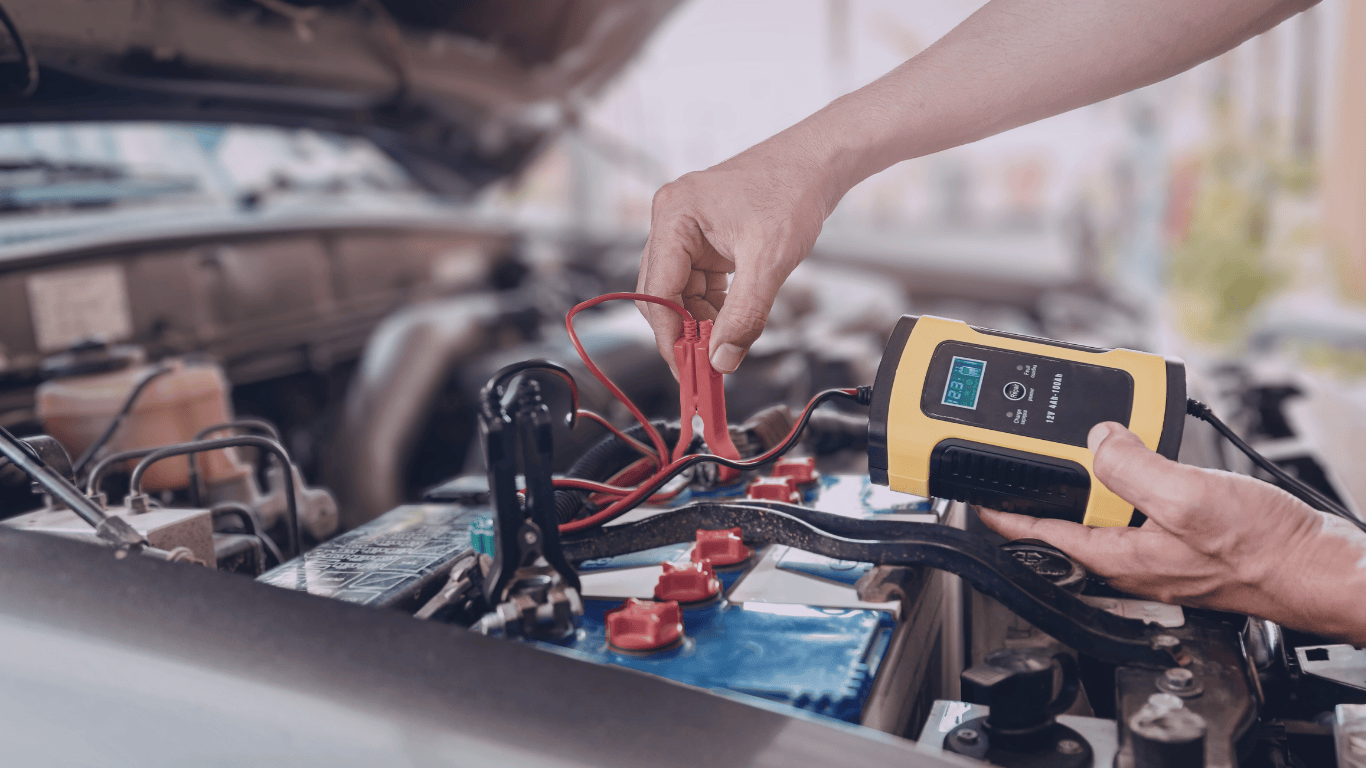
If your car is having trouble starting, it could be a sign that the starter motor is failing. This crucial component is responsible for getting your engine running by turning the flywheel when you turn the key in the ignition.
When it malfunctions, it can leave you stranded and cause frustration.
But how much will it cost to replace the starter motor? The price for starter motor replacement can vary depending on factors such as your car’s make and model, the location of the repair, and the kind of parts you choose.
In this guide, we’ll break down what affects the cost of starter motor replacement, how to recognize the symptoms of a failing starter, and how to save money on this essential repair.
Full Cost Breakdown: Parts vs. Labor
Your starter is the electric motor that spins your engine fast enough to fire up. When it fails, you’re looking at two separate costs: parts and labor that can vary dramatically based on your vehicle and location.
Parts costs:
- Aftermarket units: Start around $75 and climb to about $250, offering basic functionality at budget-friendly prices.
- OEM replacements: Cost more, typically $150–$400 or higher, because you’re paying for brand-specific engineering and guaranteed compatibility.
- Remanufactured options: Offer a smart middle ground. The housing gets reused while the internals are refreshed, cutting costs by 20–40% compared to new OEM parts while still including a warranty.
Labor costs:
- Shop rates: Vary across the country, generally ranging from about $75 to $155 per hour, depending on your location and whether you choose a dealership or independent garage.
- Time requirements: Easy-access components take 1–2 hours to replace, but units buried under intake manifolds or exhaust components can demand 4–8 hours of work.
- Additional charges: Don’t forget taxes, shop supplies, and core charges for your old unit add another $10–$50 to the bill.
Cost Ranges by Vehicle Type
| Vehicle Type | Typical Total Cost |
|---|---|
| Compact sedans | $900–$1,400+ |
| Full-size trucks | $1,000–$1,600+ |
| SUVs | $1,200–$1,800+ |
Knowing whether part price or labor time drives your specific repair cost helps you target savings in the right place.
Other Factors That Influence Price
If the quotes you’re collecting feel all over the map, they probably are, and for good reason. Five main variables determine whether you’ll pay closer to $400 or exceed $1,400.
Vehicle Type and Accessibility
Your vehicle determines the amount of work involved. On many compact sedans, the motor is typically mounted transversely in the front engine bay, and replacing it usually requires a technician several hours due to the complexity of the process.
Compare that with luxury vehicles, where the component is hidden beneath layers of intake components and heat shields, driving labor costs sky-high. SUVs and full-size trucks typically fall somewhere in between when access is straightforward.
Quick tip: Before agreeing to the job, ask the shop how many hours your particular vehicle typically requires.
Where You Get the Work Done
Dealerships frequently sit at the top of the local rate sheet, while independent garages and mobile mechanics can be $25–$50 per hour cheaper. That difference turns a $500 independent-shop repair into an $800 dealership bill without changing a single part. Calling at least three shops in your area almost always uncovers meaningful savings.
Add-Ons
Corroded battery cables (for full replacement), a faulty relay, or an integrated solenoid can add $50–$200 (sometimes much more for full cable replacement or complex solenoids) onto the quote.
Confirm that the motor is truly the culprit and ask the technician to explain any recommended extras before authorizing them.
By checking warranty coverage, weighing parts options, and demanding a clear labor breakdown, you can keep each of these variables working in your favor.
Warning Signs of Motor Failure
When a motor is on its last legs, it usually gives you a warning first. Catching these signals early can spare you a costly tow and keep you from replacing parts that aren’t actually broken.
Watch for these telltale signs that indicate your starting system needs attention:
- A single loud click is heard when the key is turned. Classic sign of a struggling solenoid or motor; rapid clicking is more often a sign of a weak battery or poor electrical connection
- Complete silence, even though the dashboard lights work, suggests a possible starter motor failure; however, other components, such as the starter relay, ignition switch, or wiring issues, may also be responsible.
- Slow, labored cranking that sounds like the engine is dragging through molasses
- Grinding or whirring noises while starting, caused by the gear not meshing properly with the flywheel
- Intermittent operation—starts work one day and fails the next, pointing to worn internal components
- Smoke or burning electrical smell after repeated attempts, signaling dangerous overheating
Quick Diagnostic Reference
| Symptom | Likely Culprit | Recommended Action |
|---|---|---|
| Click but no crank | Faulty solenoid | Test battery, then inspect motor |
| Slow, labored cranking | Worn motor | Check battery voltage, replace unit |
| Grinding noise while starting | Starter gear or flywheel issue | Stop attempts; have flywheel and motor checked |
| No sound, lights okay | Dead motor | Confirm battery health, replace unit |
Basic At-Home Checks
Before calling the shop, a few simple tests can narrow things down and potentially save you money:
- Test battery voltage. Anything below 12.4V can mimic motor failure.
- Clean battery terminals to ensure a solid connection.
- Listen closely to pinpoint where the sound comes from under the hood.
- Try the “tap test”—gently tap the motor body while someone turns the key; if the engine suddenly cranks, you’ve found your problem.
When to Stop and Call a Professional
Seek professional help immediately if you notice:
- Smoke or burnt-wire odor.
- Jump-starting fails to crank the engine.
- Symptoms come and go unpredictably.
- You lack a multimeter or safe jack stands for testing.
Verifying the real culprit before ordering parts saves money and headaches. A healthy battery or tight connection costs far less than a replacement unit you didn’t need.
Be Proactive and Save on Starter Motor Replacement
Understanding the factors that influence starter motor replacement costs can help you make more informed decisions and avoid surprises when it’s time to replace this essential component.
Whether you’re dealing with a simple issue or a more complex problem, recognizing the warning signs early can save you money and prevent further damage to your vehicle.
If you’re unsure about your starter motor or need a professional to handle the replacement, Sunbit’s auto repair directory connects you with trusted experts who can help.