






Summary
This article summarizes the key warning signs and necessary actions regarding impending alternator failure. Critical indicators include the dashboard battery warning light illuminating, dimming headlights, issues with electrical accessories, strange engine noises (whining, grinding) and burning smells. The article suggests using the Jump-Start Pattern Test to differentiate between a dead battery and a failing alternator: if the car dies shortly after a jump, the alternator is likely the issue. The strong recommendation is not to drive with a suspected failing alternator due to safety risks, but instead to turn off non-essential accessories, pull over and arrange for a tow to a repair shop. Alternators typically last 80,000 to 150,000 miles, with replacement costs generally falling between $500 and $2,500.
Key Points
- Dashboard battery light signals charging system issues
- Dimming headlights while driving indicate alternator problems
- Jump-start test reveals alternator failure within 5-10 minutes
- Replacement typically costs $400 to $800 for most passenger vehicles, but can be higher for luxury models or in expensive regions.
- Never drive with suspected failure; pull over safely
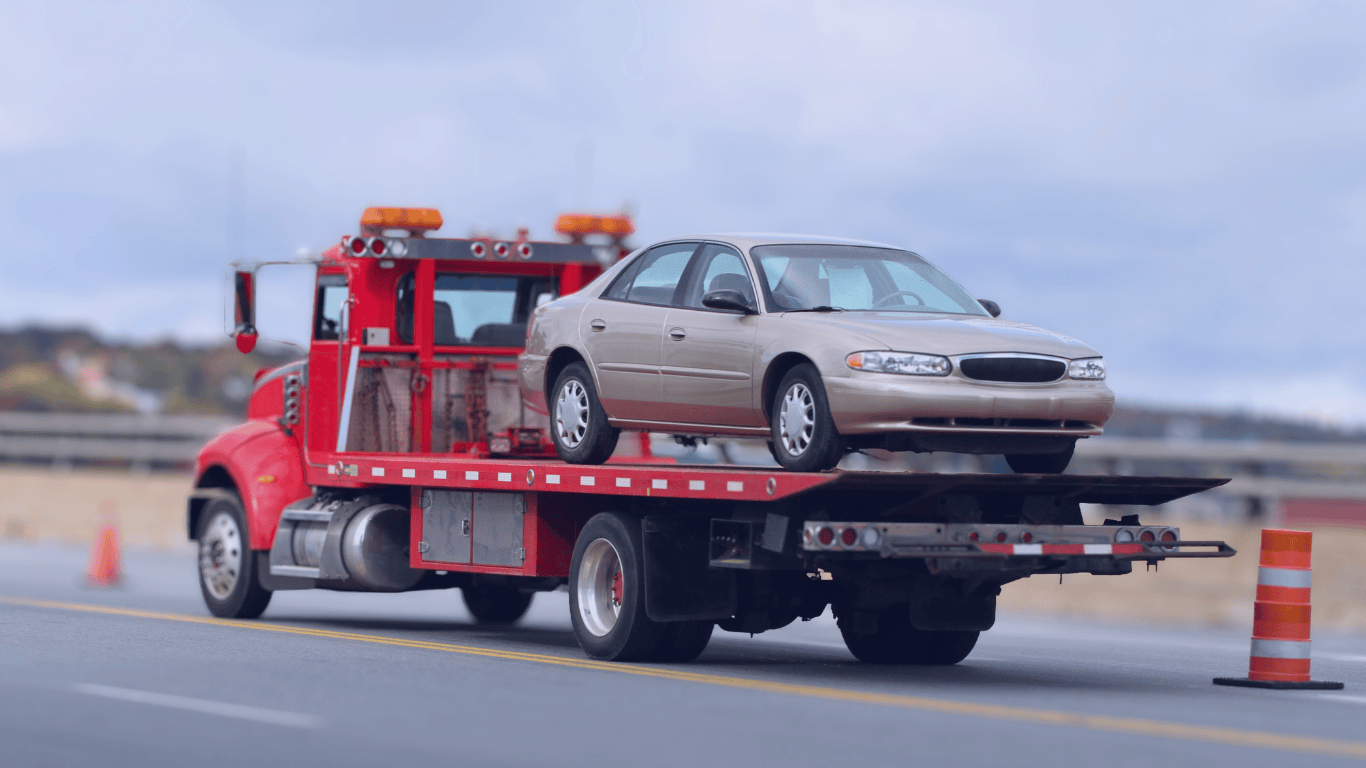
Your car’s alternator works behind the scenes, powering everything from your headlights to your radio while keeping your battery charged. When it starts to fail, you’ll notice specific warning signs. Catching these early can save you from being stranded on the side of the road and help you find a trusted repair shop in your area before a small problem turns into an expensive emergency.
Dashboard Battery Warning Light
The battery warning light on your dashboard is your most critical early indicator. This light activates when your alternator’s voltage drops below its intended capacity. The light appears as a battery symbol or displays “ALT” or “GEN.”
This light may flicker as the alternator fluctuates, especially when you’re using multiple electrical accessories at the same time.
Don’t ignore these dashboard warnings. They give you advance notice before a complete breakdown on the highway or in a parking lot far from home. Taking action when you see this light can prevent dangerous situations. Pull over safely and call for towing before you lose power steering, power brakes, or your electrical systems.
When Your Lights Tell the Story
Your headlights and dashboard lights provide visible evidence of alternator health. Watch for lights that alternate between bright and dim, a pattern that represents one of the most noticeable early warning signs.
Headlights that dim when idling and brighten when accelerating can reveal a charging system struggling to maintain consistent power output, though these symptoms may also be caused by battery or wiring issues. Dashboard lights that flicker or pulse in the same pattern, or interior lights that dim when using other electrical accessories, indicate the charging system may not be handling normal electrical loads and further testing is needed to confirm the cause.
The Jump-Start Pattern Test
This test provides the clearest diagnostic for non-technical owners to distinguish between alternator and battery failure. First, jump-start your vehicle and let it run for at least 5 minutes. Next, disconnect cables and drive for 15-20 minutes while observing what happens.
If your alternator fails, your car will only run until the battery depletes. If your car dies soon after being jump-started, it may indicate an alternator or charging system issue, but confirm with a voltage test; if it runs normally, the battery was likely the problem, but full diagnostics are recommended.
Stalling While Driving Creates Dangerous Situations
If your alternator fails completely while driving, your vehicle may stall suddenly. Loss of power steering and electronic brake assist makes the vehicle difficult to control and increases stopping distances significantly. Once the engine stalls due to complete electrical failure, your vehicle becomes difficult or impossible to maneuver safely in traffic.
Early Warning Signs of Alternator Failure
Pay attention to how your vehicle’s electrical accessories operate. Here’s what to watch for:
Power windows moving slower than normal signal declining electrical system performance. Your radio cutting out or losing presets indicates inconsistent power delivery, while power seats that don’t function properly reveal the same issue.
Your infotainment system freezing or rebooting spontaneously confirms electrical problems. Air conditioning blowers operating weakly and windshield wipers moving slower than usual complete the picture of an alternator struggling to maintain adequate power output across your vehicle’s electrical systems.
Sounds That Signal Trouble
Listen for grinding or whining noises that increase with engine RPM, or rattling sounds from the alternator area. These indicate bearing failure and often precede complete electrical failure by days or weeks, giving you a valuable window to address the problem before being stranded. Don’t dismiss unusual sounds from under the hood, especially if they coincide with other warning signs.
Burning Smells Demand Immediate Action
Any burning smell from your vehicle warrants immediate inspection. A burning rubber smell indicates your alternator belt is slipping or misaligned, while an electrical burning smell reveals internal components overheating or wiring issues.
Overheating components can fail without additional warning, while belt problems prevent the alternator from spinning properly. These mechanical failures can give you days or weeks of warning before complete failure. Pull over safely immediately if you notice burning smells from your vehicle. Turn off the engine and call for professional towing assistance rather than attempting to continue driving.
Understanding the True Costs
Alternator replacement typically costs between $500 to $2,500 including parts and labor, with RepairPal providing a more specific average of $744 to $1,034 for typical mid-range vehicles, breaking down to $170 to $250 for labor and $417 to $582 for parts.
Economy vehicles like Honda Civics can often have alternator replacements start around $300–$400 with quality aftermarket parts. Luxury vehicles with OEM parts typically range up to $2,000, though some rare cases may approach or exceed $2,200 depending on complexity. The wide cost range reflects vehicle complexity, parts quality and labor rates in your area.
How Long Alternators Last
Car alternators typically last 80,000 to 150,000 miles or seven to ten years under normal conditions. Planning for replacement around 80,000 to 100,000 miles provides a conservative estimate for budgeting purposes.
Heat exposure represents the major environmental factor according to automotive research. Living in hot climates or having compromised engine cooling systems pushes lifespans toward the lower range. Adding aftermarket accessories like high-power audio systems or auxiliary lighting places additional strain on alternators. This can reduce lifespan significantly depending on severity.
What to Do When Your Alternator Fails While Driving
If your battery warning light illuminates while driving, immediately turn off non-essential electrical components. Turn on hazard flashers and find a safe place to pull over.
If you find yourself in an inoperable car in the middle of traffic, stay in your car, turn your emergency flashers on and call for help.
Keep the engine running if possible, but do not attempt to restart once stopped. Instead, pull over in a safe place and call for towing rather than risking becoming stranded in a dangerous location.
Should You Drive to a Repair Shop?
When the battery warning light appears, you should pull over in a safe place and get the vehicle towed to the mechanic.
When a failing alternator causes sudden electrical system failure, critical safety systems: power steering, electronic brake assist and all lights can fail simultaneously, making your vehicle invisible to other drivers.
The answer is clear: not very far and not safely. The investment in immediate towing represents minimal expense compared to the risks of continuing to drive with a failing alternator. Emergency highway towing, personal safety risks from being stranded in dangerous locations and additional repair costs from damage to the battery, starter and other components make professional towing worthwhile.
Battery or Alternator Making the Distinction
Battery problems happen primarily during starting. Alternator problems become apparent while the vehicle is running. This timing distinction helps you identify the failing component.
Battery failure presents with consistent starting struggles, especially after sitting overnight or in cold weather. Interior lights and dashboard displays flicker or dim before the engine starts. Corroded battery terminals with white, blue or green crusty buildup suggest battery issues. Older batteries become prime suspects.
Alternator failure shows different patterns. First, vehicles start with a jump but die within 5-10 minutes after the jumper cables are disconnected. Next, lights dim while the vehicle is running, especially when using electrical accessories. Finally, the dashboard shows low voltage warnings while driving, with progressive electrical system failure occurring as the radio cuts out and power accessories slow down.
The jump-start test can provide an initial indication: if your car starts but dies soon after, the alternator may be failing; if it runs normally, the battery was likely the issue. However, the most reliable method is to use a multimeter to check battery and alternator voltages.
When you need professional alternator diagnosis or replacement, visit Sunbit’s auto repair directory to find trusted auto mechanics and repair shops near you who can restore your vehicle’s reliability.