



Summary
This comprehensive guide simplifies the process of buying car tires, emphasizing the importance of matching tires to vehicle specifications, driving conditions, and climate. It decodes tire sidewall markings, explains different tire types (all-season, UHP, all-terrain, winter), and highlights common mistakes to avoid, such as mismatched tires and neglecting maintenance. The guide aims to empower drivers to make informed choices for enhanced safety, performance, and longevity.
Key Points
- Always match or exceed the manufacturer’s recommended tire size, load index, and speed rating found on your door jamb or owner’s manual.
- Choose tires based on your climate (mild winter, warm regions, variable seasonal) and driving style (city, highway, mixed terrain, comfort vs. performance).
- Never mix different tire types, brands, or tread patterns on the same axle to maintain vehicle stability and safety.
- Prioritize professional installation, balancing, and alignment to ensure even wear and optimal performance.
- Regular maintenance, including monthly pressure checks, tire rotations every 5,000-7,500 miles, and annual alignment checks, is crucial for maximizing tire life.
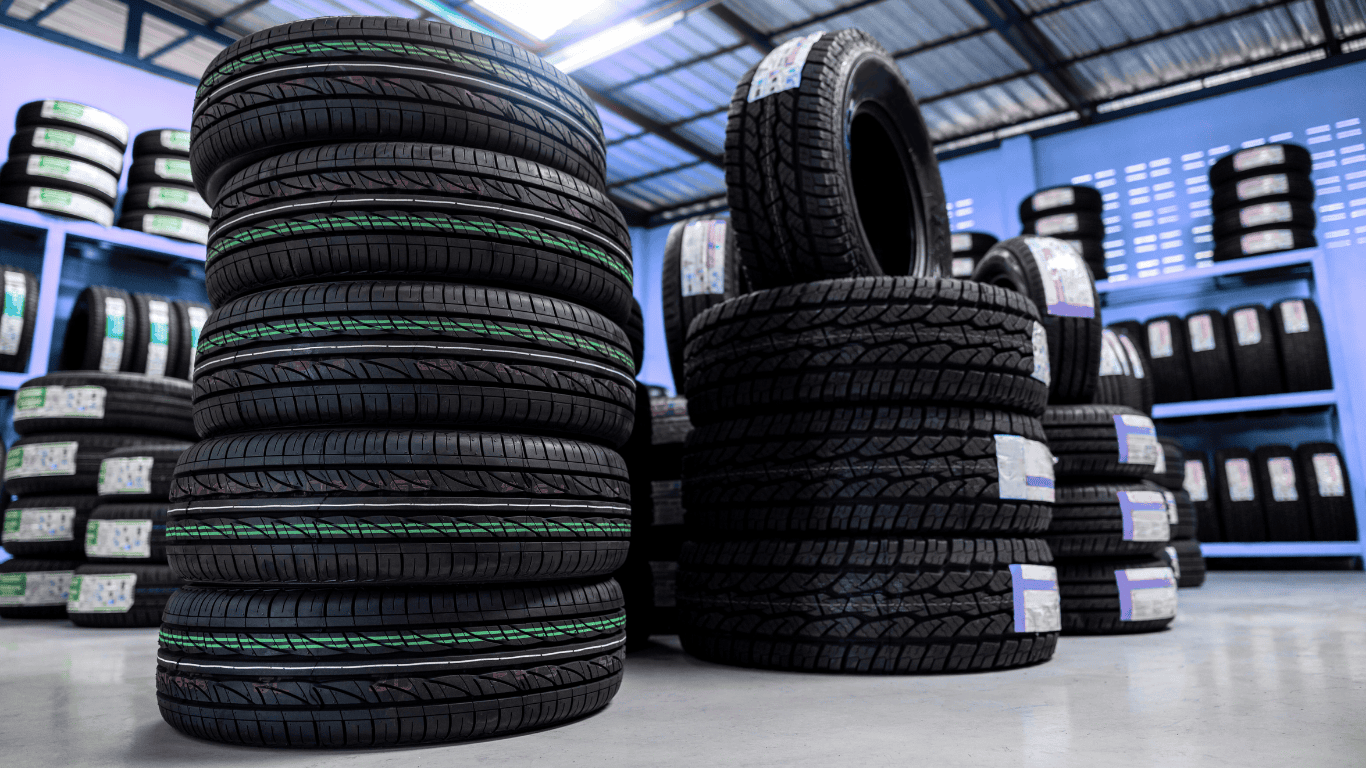
Choosing the wrong tires creates serious safety risks and costly consequences. Wrong-sized tires can increase stopping distances, reduce fuel efficiency, and compromise your vehicle’s stability. Mounting tires the manufacturer never intended can hurt handling and accelerate wear, leading to unexpected repairs that could have been avoided.
This comprehensive guide reveals exactly how to tell if you need new tires and how to choose replacements that match your driving needs and budget.
By the end, you’ll have a clear roadmap for buying tires that keep you safer and save you money over thousands of miles.
Decoding Tire Basics: Size, Load Index, and More
Step out to your car right now and you’ll spot two places that hold the key to perfect replacement tires: the sticker on your driver’s door jamb and the code molded into your current tire’s sidewall.
The owner’s manual lists the same details, but the sidewall code is your quickest reference, as every character provides important information about size, strength, and speed capability.
Breaking Down the Tire Code
Take the common string “P215/65R15 95H.”
- The opening “P” identifies it as a passenger-car tire.
- The next three numbers, “215,” measure the section width in millimeters from sidewall to sidewall.
- After the slash, “65” is the aspect ratio. The sidewall height equals 65 percent of the tire’s width.
- The “R” denotes radial construction (nearly all modern tires use this).
- “15” is the wheel diameter in inches that the tire must fit.
Everything after the space governs weight capacity and speed limits:
- “95” is the load index. A quick chart lookup shows this tire can support 1,521 pounds when properly inflated.
- The letter “H” is the speed rating, good for sustained speeds up to 130 mph.
Critical safety note: Choose a tire with a lower rating than your vehicle requires and you risk heat-related failure on long highway drives. Always match or exceed the factory specification.
Checking the Manufacturing Date
While scanning the sidewall, locate the four-digit DOT date code:
- The first two digits mark the week.
- The last two digits indicate the year of manufacture.
- Example: “3019” means the 30th week of 2019.
Avoid using “new” tires that are more than six years old, as rubber hardens and loses grip, even when stored.
Look for an oval or rectangular area near the wheel rim where the alphanumeric string is grouped. If the code appears dirty or faint, run your fingertip over the raised letters to feel the numbers.
Quick Reference: Speed Ratings
Understanding speed ratings becomes crucial if you routinely drive at highway speeds, tow heavy loads, or own a performance vehicle.
Think of this letter as a built-in safety margin rather than permission to drive faster:
| Speed Rating | Maximum Sustained Speed |
|---|---|
| S | ≤ 112 mph |
| T | ≤ 118 mph |
| H | ≤ 130 mph |
| V | ≤ 149 mph |
| W | ≤ 168 mph |
| Y | ≤ 186 mph |
Dropping below the manufacturer’s recommended rating compromises heat resistance and stability, making this one specification you should never compromise on.
Match Tires to Your Driving and Climate
Select tires that suit the conditions you drive in most often.
This simple rule cuts through marketing noise and helps you focus on what actually matters: grip, safety, and longevity where you spend most of your miles.
Mild Winter Climates:
- Quality all-season tires strike a balance between tread life, comfort, and wet-weather grip.
- They handle year-round driving without the hassle of seasonal swaps.
Consistently Warm Regions:
- Summer performance tires deliver sharper handling and shorter braking distances.
- The trade-off: These compounds harden and lose traction at temperatures below 45°F.
Variable Seasonal Climates:
- All-weather tires display the Three-Peak Mountain Snowflake symbol and remain pliable in light snow; standard all-season tires do not.
- When temperatures regularly drop below 45°F, dedicated winter tires provide superior stopping power through softer compounds and aggressive siping.
It’s also important to note that temperatures affect performance. A 10°F drop bleeds roughly 2 psi, leading to underinflation, extra wear, and poor fuel economy. Summer heat can push tires toward overinflation and potential blowouts if pressures aren’t monitored; issues have been documented in studies on the weather’s impact on tire performance.
Now let’s take a look at driving styles and what they mean for your tire choice.
City Commuting:
- Stop-and-go traffic and potholes call for touring or highway-rated tires.
- These tires cushion bumps, run quietly, and maximize fuel economy.
Highway Miles:
- Touring designs with continuous center ribs and optimized tread blocks cut noise.
- They eliminate steering wheel vibration over long distances.
Mixed Terrain:
- Weekend gravel trails or cabin trips require all-terrain tires.
- These tires bite off-road without feeling numb on asphalt.
Comfort vs. Performance Focus:
- Comfort-first drivers benefit from softer sidewalls and longer warranties of premium touring models
- Performance enthusiasts should consider ultra-high-performance rubber for razor-sharp turn-in and maximum grip
Critical Safety Note: Never mix different tire types on the same axle. Mismatched traction levels make emergency maneuvers unpredictable and dangerous.
Tire Types Explained (All-Season to Ultra-High-Performance)
Picking the right tire balances grip, comfort, tread life, and price. Here are the four categories most drivers consider, plus guidance on seasonal tire swapping.
All-Season Tires
All-season tires provide “set-and-forget” convenience for drivers who stick to paved roads and rarely encounter extreme weather conditions.
Benefits:
- Tread pattern sheds water effectively.
- Rubber compound stays flexible across a wide temperature range.
- Reliable traction in rain and light snow.
- Some of the longest tread life in the industry, keeping replacement costs predictable.
Limitations:
- Performance limits. Once temperatures plunge or summer heat peaks, they can’t match dedicated winter or summer tires.
- Expect mid-range pricing for models sized for passenger cars, crossovers, and family SUVs.
Ultra-High-Performance Tires
When crisp handling and maximum grip matter more than comfort, ultra-high-performance (UHP) tires deliver.
Benefits:
- Silica-rich compounds and stiffer sidewalls make sports cars respond instantly.
- Speed ratings often exceeding 149 mph.
Limitations:
- Shorter tread life due to soft rubber wearing quickly.
- Firmer ride that transmits more road noise.
- Premium pricing for the advanced technology.
Choose these only if you regularly push limits on spirited drives or track days.
All-Terrain Truck Tires
All-terrain (AT) tires strike a balance between highway civility and weekend trail duty.
Benefits:
- Deeper, blockier tread lugs bite into gravel and mud.
- Reinforced sidewalls resist punctures.
- Quieter and smoother than mud-terrain options on pavement.
Limitations:
- More hum and slightly lower fuel economy than highway tires.
- Pricing runs mid-range to premium depending on puncture protection layers and snow certification.
ATs work best on pickups and SUVs that see occasional off-road adventures.
Winter/Snow Tires
Once temperatures consistently hover below 45°F, winter tire compounds put them in their own league.
Benefits:
- Look for the Three-Peak Mountain Snowflake symbol. It certifies the tire has met objective traction tests.
- Superior winter performance.
- Can last several seasons when used only in cold months.
Limitations:
- Wear rapidly in warm weather.
- Feel unstable on dry summer pavement.
- Require swapping sets twice yearly.
When to Switch Between Seasonal Sets
- Make the change when daily lows sit below 45°F in fall or above that mark in spring
- Compounds designed for the wrong temperature lose grip and wear faster
- Store the off-season set in a cool, dry spot, stacked flat or hung to prevent sidewall distortion
- Re-torque lug nuts after about 50 miles once a tire shop mounts the wheels
While buying two sets costs more upfront, each set sees only half the annual mileage, so total tire life often stretches further, saving money while maintaining optimized traction year-round.
Common Tire Buying Mistakes and How to Avoid Them
Buying Mismatched Tires
The problem:
- Mixing different tire types, brands, or tread patterns creates a dangerous imbalance.
- Your car’s traction control, ABS, and steering response all depend on consistent grip from all four corners.
- Mismatched tires throw off this balance and make your vehicle unpredictable.
The fix:
- Buy a complete matching set whenever possible.
- If you can only replace two tires, mount the fresh pair on the rear axle.
- This keeps your car stable during emergency braking or sudden turns on wet roads.
Ignoring Speed and Load Ratings
The problem:
- Those letters and numbers on your tire sidewall aren’t suggestions. They’re safety limits.
- A tire rated for 112 mph (S-rating) will overheat and potentially fail if you regularly drive 80 mph on long highway stretches.
- Load ratings work the same way: exceed the weight limit and you risk sidewall blowouts.
The fix:
- Never go below your vehicle manufacturer’s recommended ratings
- These specifications account for your car’s weight, performance capabilities, and safety systems
Skipping Professional Installation
The problem:
- That bargain mounting job often costs more in the long run.
- Improper installation can pinch tire beads, damage wheels, or leave lug nuts dangerously loose.
- Your new tires need proper balancing and alignment to wear evenly and perform safely.
The fix:
- Choose a shop with proper tire-mounting equipment and certified technicians.
- The extra cost pays for itself through longer tire life and better performance.
Neglecting Regular Maintenance
The problem:
- Even premium tires fail quickly without basic care
- Skipping monthly pressure checks, avoiding tire rotations, or ignoring alignment issues creates uneven wear patterns that cut tire life in half.
The fix:
- Check tire pressure monthly when tires are cold.
- Rotate every 5,000-7,500 miles.
- Get an alignment check annually or after hitting significant potholes.
- These simple steps can double your tire investment.
FAQs for Those Who Want to Buy Car Tires
This FAQ section provides answers to the most common questions, helping you make an informed decision.
Can I replace just two tires?
Yes, but only when the other two still have plenty of tread, identical size, load, and speed ratings. Always mount the fresh pair on the rear axle so you maintain rear-end traction in wet turns and sudden stops. Match brand and tread pattern whenever possible.
What’s the difference between all-season and all-weather?
- All-season tires balance summer heat and light snow, but they harden in deep cold
- All-weather models that carry the Three-Peak Mountain Snowflake symbol have rubber that stays flexible below 45°F
- All-weather tires have siped tread that passes severe-snow testing—yet they still ride quietly through warm, rainy months
How old is too old for a ‘new’ tire?
Look for the four-digit DOT date code on the sidewall—”2622″ means the 26th week of 2022. Rubber starts aging the moment it leaves the mold, so avoid buying tires more than 2-3 years old to preserve structural integrity and wet-weather grip.
Do I really need winter tires with AWD?
All-wheel drive helps you pull away, but it does nothing to shorten stopping distances on slick pavement. Dedicated winter tires use pliable compounds and deep siping to cut braking distances on ice by dozens of feet, even when mounted on an AWD crossover or SUV.
Is higher speed rating always better?
Higher speed ratings indicate better heat resistance and sharper handling, but they often come at the expense of ride comfort and tread life. Choose a rating that meets your vehicle’s specifications; dropping below it is unsafe, while going several steps above rarely benefits everyday commuting.
What’s UTQG?
UTQG is a federal grading system that lets you compare treadwear, traction, and temperature scores at a glance. A 600 A A, for instance, should last roughly twice as long as a 300 A A tire while maintaining equal wet grip and heat resistance.
Find the Perfect Tires for Your Vehicle
Choosing the right tires for your car doesn’t have to be complicated.
With a little research and understanding of your driving needs, vehicle requirements, and budget, you can make a decision that ensures safety, comfort, and longevity for your tires.
To make your tire buying experience even easier, explore Sunbit’s auto repair directory to find trusted tire specialists near you who can help you select and install the perfect tires for your vehicle.