






Summary
This comprehensive guide provides a detailed car inspection checklist, outlining essential steps to maintain vehicle performance, enhance safety, and prevent costly repairs. It covers key areas such as exterior, tires, fluids, brakes, engine, electrical system, and interior, offering advice on both DIY and professional inspections, as well as recommended inspection frequencies for various vehicle types and driving conditions.
Key Points
- Regular car inspections are crucial for maintaining vehicle performance, safety, and longevity, preventing unexpected breakdowns and costly repairs.
- A comprehensive checklist should cover the exterior, tires, fluid levels, brakes, engine, exhaust, battery, electrical system, and interior components.
- The frequency of inspections depends on the vehicle’s age, driving habits, and any warning signs, with general recommendations for every 6-12 months or 12,000 miles.
- Many basic inspections can be performed at home, but professional help is essential for complex issues like engine diagnostics, transmission problems, or brake repairs.
- Proactive maintenance through regular inspections leads to significant cost savings, improved performance, and extended vehicle lifespan, ensuring peace of mind on the road.
Regular car inspections are a key part of maintaining your vehicle’s performance, safety, and longevity. A well-maintained car is less likely to break down unexpectedly and can save you from costly repairs.
Using a comprehensive car inspection checklist ensures that you don’t miss critical components that could affect your car’s reliability.
Whether you’re preparing for a road trip, considering buying a used car, or just practicing good maintenance, following a detailed checklist helps you keep your car in top condition, minimizing the risk of breakdowns and ensuring your safety on the road.
The Basics of a Car Inspection
A car inspection typically involves a detailed review of key systems and components in your vehicle. Depending on the type of inspection, it can vary in thoroughness and scope.
Pre-purchase inspections, for example, focus on assessing the overall condition of a car before buying, while regular maintenance inspections focus on keeping your vehicle running smoothly. Post-accident inspections, on the other hand, may look for hidden damage that could affect the car’s safety and performance.
Regardless of the type, a car inspection should always include checking the exterior, interior, engine, tires, brakes, and other vital parts.
Key Areas to Include in Your Car Inspection Checklist
A thorough car inspection covers several key areas to ensure your vehicle remains in optimal working condition. Here are the essential components to focus on during your inspection:
Exterior and Body
Start by examining the overall condition of your car’s exterior. This includes checking for visible damage, rust, or corrosion that could compromise the vehicle’s integrity over time.
- Look for dents, scratches, or signs of rust.
- Check all lights, including headlights, taillights, and turn signals, to ensure they are functioning properly.
- Inspect mirrors and windows for cracks or chips that may require repair.
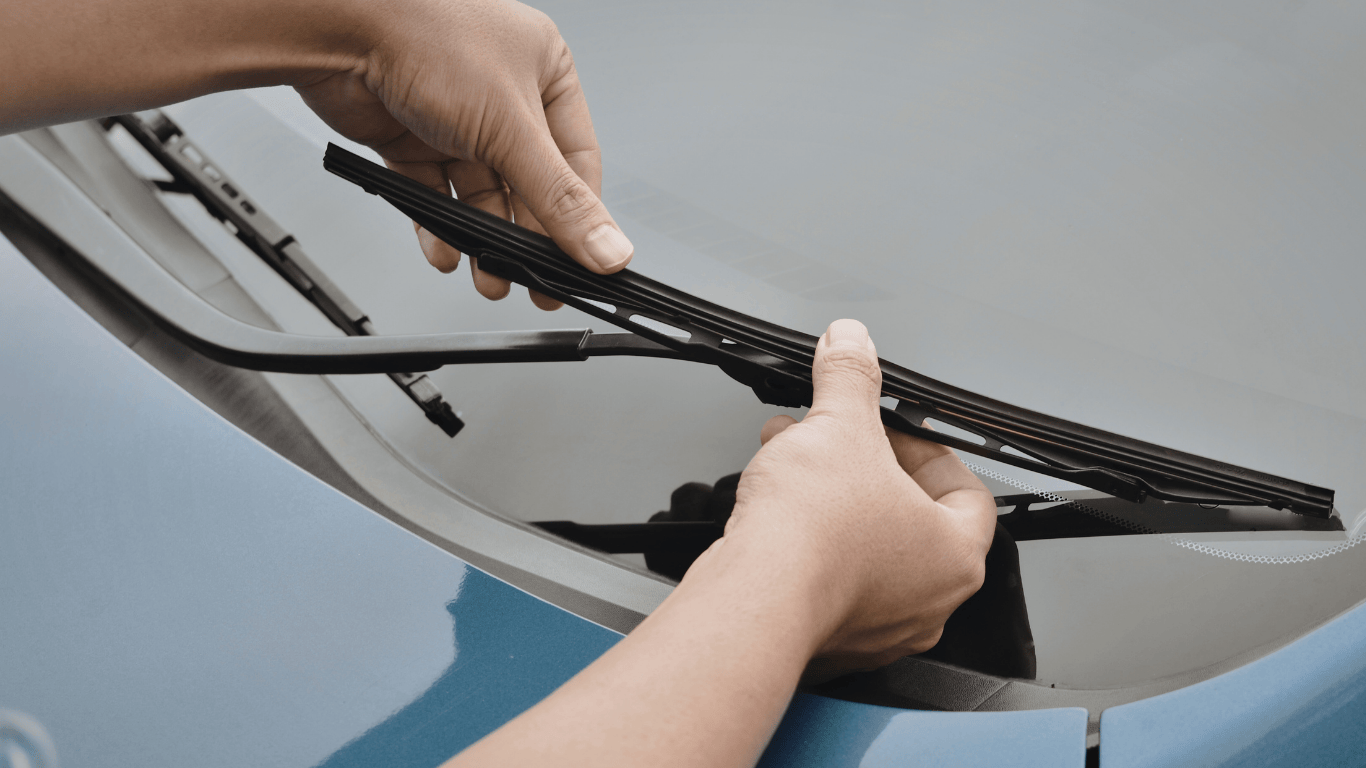
- Ensure that your windshield wipers are in good condition, and the wiper fluid reservoir is full.
Tires and Wheels
Tires are one of the most important safety components of your vehicle. Properly maintained tires help ensure a smooth ride and proper handling.
- Tire Tread Depth: Check the tread for wear. The deeper the tread, the better the traction. Replace tires with less than 2/32 inches of tread.
- Tire Pressure: Make sure all tires are inflated to the manufacturer’s recommended pressure (typically found on the door frame or in the car’s manual).
- Check for Damage: Inspect for bulges, cracks, or punctures that could cause a blowout.
- Wheel Alignment: Look for signs of misalignment, such as uneven tire wear, which can affect steering and fuel efficiency.
How Often Should You Perform a Car Inspection?
A car inspection should be done regularly to maintain vehicle performance and safety. The frequency of inspections depends on the age of your car, the type of driving you do, and any warning signs or changes in performance.
Regular Inspections
For most vehicles, it’s recommended to perform a basic inspection every 6 to 12 months or after approximately every 12,000 miles (whichever comes first).
This ensures that the car is in good condition and that minor issues are addressed before they turn into costly problems. Regular maintenance can catch small problems early, preventing them from escalating.
Special Considerations for Older Vehicles
If you have an older car, consider conducting more frequent inspections, every 3 to 6 months, to ensure that the car remains safe and reliable.
Older vehicles tend to develop issues faster, particularly with engine components, brakes, and the exhaust system.
Before Long Trips or Seasonal Changes
It’s also a good idea to perform a thorough inspection before embarking on long road trips or when the seasons change (e.g., from summer to winter). This can help ensure that your vehicle is ready to handle the additional demands of different driving conditions.
By following this schedule and remaining proactive with car inspections, you can prevent unexpected breakdowns and extend your car’s lifespan.
The Benefits of Regular Car Inspections
Performing regular car inspections goes beyond just ensuring your vehicle runs smoothly; it can provide long-term benefits in terms of safety, cost savings, and peace of mind.
Safety First
The most important reason for conducting regular inspections is safety. Issues like worn-out tires, faulty brakes, or a leaking exhaust system can compromise the safety of your vehicle and put you and others at risk. Regular checks can help catch these problems early, preventing accidents caused by mechanical failures.
- Prevent tire blowouts or underinflated tires that can affect handling.
- Avoid brake failure by catching worn brake pads or fluid leaks.
- Reduce the risk of engine or exhaust problems that could lead to overheating or toxic fumes entering the cabin.
Cost Savings
Regular inspections can save you significant money in the long run by preventing expensive repairs.
Small problems, such as worn-out belts or fluid leaks, can be repaired inexpensively if caught early. However, if left unchecked, they could lead to major engine failure or more costly issues, like transmission damage or a broken timing belt.
- Prevent costly repairs by catching issues before they worsen.
- Maintain fuel efficiency by addressing minor engine or exhaust problems.
- Avoid expensive emergency repairs with regular maintenance.
Improved Performance and Longevity
A well-maintained car runs more efficiently and lasts longer. Routine inspections help keep the engine, exhaust system, and other key components in optimal condition, ensuring smooth driving, improved fuel efficiency, and a longer lifespan for your vehicle.
- Keep your car’s performance at its peak with regular checks.
- Increase your car’s lifespan by addressing minor issues before they cause major damage.
- Enjoy smoother driving and improved handling over time.
DIY vs. Professional Car Inspections: Which Is Right for You?
While many aspects of car maintenance can be handled with basic tools and knowledge, some inspections and repairs require a professional’s touch. Knowing when to handle inspections yourself and when to seek professional help is key to keeping your car in great shape.
DIY Inspections
With a little know-how and the right tools, many basic car inspections can be done at home. Here’s what you can check yourself:
- Tires: Inspect tread depth, tire pressure, and check for visible damage.
- Exterior: Look for dents, scratches, or rust, and check lights and mirrors.
- Battery: Look for corrosion on terminals, check charge level.
- Fluid Levels: Check oil, coolant, brake fluid, and power steering fluid levels.
- Exhaust System: Inspect for visible holes, rust, or leaks in the pipes.
For these tasks, you’ll just need basic tools like a flashlight, jack stands, and a torque wrench. Regular DIY inspections can help catch issues early and save you money.
Professional Inspections
While many tasks can be handled yourself, some car inspections require a trained mechanic, especially when dealing with the engine, transmission, or electrical systems. Here are situations where you should consult a professional:
- Engine Diagnostics: For deeper engine issues, like misfires, rough idling, or performance drops.
- Transmission Checks: For shifting problems or fluid leaks.
- Brake Inspection: For issues with brake pads, fluid, or rotors that require specialized tools.
- Emissions Testing: If your car is due for an emissions test, a professional inspection will ensure your exhaust system is functioning properly.
Even if you handle regular maintenance, it’s a good idea to have a professional mechanic inspect key systems, especially if you notice any warning signs like strange noises, vibrations, or a check engine light.
Regular professional checkups will ensure that your car remains safe and reliable.
Car Inspection Checklist: A Detailed Guide for Maintaining Your Vehicle
Performing a comprehensive car inspection doesn’t have to be intimidating. This checklist covers all the essential areas to inspect, ensuring that your car remains in top condition and avoids unnecessary repairs.
1. Exterior Inspection
Start by checking the body and frame for any visible damage or signs of wear. This will help you identify potential rust spots, dents, or scratches that may require attention.
- Check for Dents and Scratches: Inspect the body for visible damage, including rust spots or areas where the paint has chipped.
- Inspect Windshield: Check for any cracks or chips that could compromise the safety of the glass. Ensure your windshield wipers are functioning properly.
- Examine Lights: Check that all headlights, taillights, brake lights, and turn signals are working properly.
2. Tire and Wheel Inspection
Your tires are crucial to your car’s safety and performance. Regular tire inspections help ensure proper traction and prevent unexpected issues on the road.
- Tread Depth: Use a tread depth gauge or the penny test to ensure sufficient tread. Worn-out tires should be replaced.
- Inspect for Visible Damage: Look for cuts, punctures, or bulges in the tire. These can cause blowouts and should be addressed immediately.
- Check Alignment: Uneven tire wear may indicate an alignment issue, which can affect your vehicle’s handling.
3. Fluid and Oil Check
Proper fluid levels are essential for maintaining your car’s performance. Regular checks of your oil, coolant, brake fluid, and other essential fluids are crucial for ensuring smooth operation and preventing engine damage.
- Engine Oil: Check the oil level using the dipstick and look at the oil’s color. Dark, dirty oil may require a change.
- Coolant: Check the coolant level and ensure it’s within the recommended range. Low coolant levels can cause overheating.
- Brake Fluid: Check the brake fluid level. Low fluid can indicate a leak or worn brake pads.
- Power Steering Fluid: Ensure the fluid level is at the correct level for smooth steering.
4. Brake System Inspection
Brakes are one of the most important safety features of your vehicle, so regular brake inspections are crucial.
- Check Brake Pads: Inspect the brake pads for wear. Thin or worn-out pads should be replaced to prevent damage to the rotors.
- Brake Lines: Inspect the brake lines for any leaks or cracks that could compromise braking performance.
- Check for Vibration: If you feel vibration when braking, it may indicate issues with the brake rotor that require professional attention.
5. Engine and Exhaust System Check
The engine and exhaust system are key to your car’s overall performance. Ensuring these components are in good condition will keep your car running smoothly and reduce the risk of breakdowns.
- Check Engine for Leaks: Look for any oil or fluid leaks around the engine area. These can lead to major damage if left unaddressed.
- Examine Exhaust System: Inspect the exhaust pipes and muffler for rust, leaks, or visible damage. A hole in the exhaust system can allow dangerous fumes to enter the cabin.
- Listen for Unusual Noises: Pay attention to any new sounds like ticking, grinding, or knocking that could indicate issues with the engine or exhaust system.
6. Battery and Electrical System Inspection
A well-maintained battery and electrical system ensure reliable starts and overall vehicle functionality.
- Check Battery Terminals: Inspect the battery terminals for corrosion. If there’s any buildup, clean it off with a wire brush.
- Check Battery Charge: Use a multimeter to test the battery voltage. A healthy battery should read around 12.4 volts when the car is off.
- Inspect Wiring: Ensure all wires and cables are in good condition. Look for exposed or frayed wires that could lead to electrical problems.
7. Interior Check
A quick inspection of your car’s interior can prevent small issues from becoming major annoyances, ensuring that everything works as it should.
- Check Seat Belts: Ensure seatbelts are in good condition and functioning properly. They should lock securely when pulled.
- Inspect HVAC System: Test the air conditioning and heating systems. Make sure they blow air at the proper temperature and airflow settings.
- Dashboard Indicators: Verify that all lights and indicators on your dashboard are functioning properly. A malfunctioning indicator light could signal an underlying issue.
Keep Your Car Running Strong with Regular Inspections
By following a comprehensive car inspection checklist, you can maintain your vehicle’s performance, enhance safety, and prevent costly repairs in the future.
Regular maintenance doesn’t just prevent breakdowns; it also saves you money, keeps your car running efficiently, and extends its lifespan.
Whether you’re inspecting it yourself or working with a professional, a little time and effort invested in your car today can save you much more in the future.
To find trusted professionals for your car maintenance and inspections, explore Sunbit’s auto repair provider directory and ensure your car stays in top shape with expert care.