






Summary
This comprehensive guide breaks down the costs associated with airbag replacement, including parts (airbag units, sensors, control modules), labor, and hidden fees like diagnostics and disposal. It explains how factors such as vehicle type, parts choice, and collateral damage influence the final price, offering a step-by-step timeline of the repair process after deployment and answering frequently asked questions to help vehicle owners budget effectively and ensure their car’s safety system is fully restored.
Key Points
- Comprehensive Costs: Airbag replacement involves costs for the airbag unit(s), sensors, control modules, labor, and additional fees like diagnostics and hazardous material disposal.
- Variable Pricing: Vehicle make, model, year, and the type of airbag (driver, passenger, side-curtain) significantly impact the overall cost. Luxury and newer vehicles tend to be more expensive.
- Parts Choice Matters: OEM parts are more expensive but offer better compatibility and warranties, while aftermarket or salvaged units can save money but may lack factory assurances.
- Hidden Expenses: Beyond core components, expect potential costs for collateral damage (e.g., dashboard repair), supply chain delays, and advanced driver-assistance system calibration.
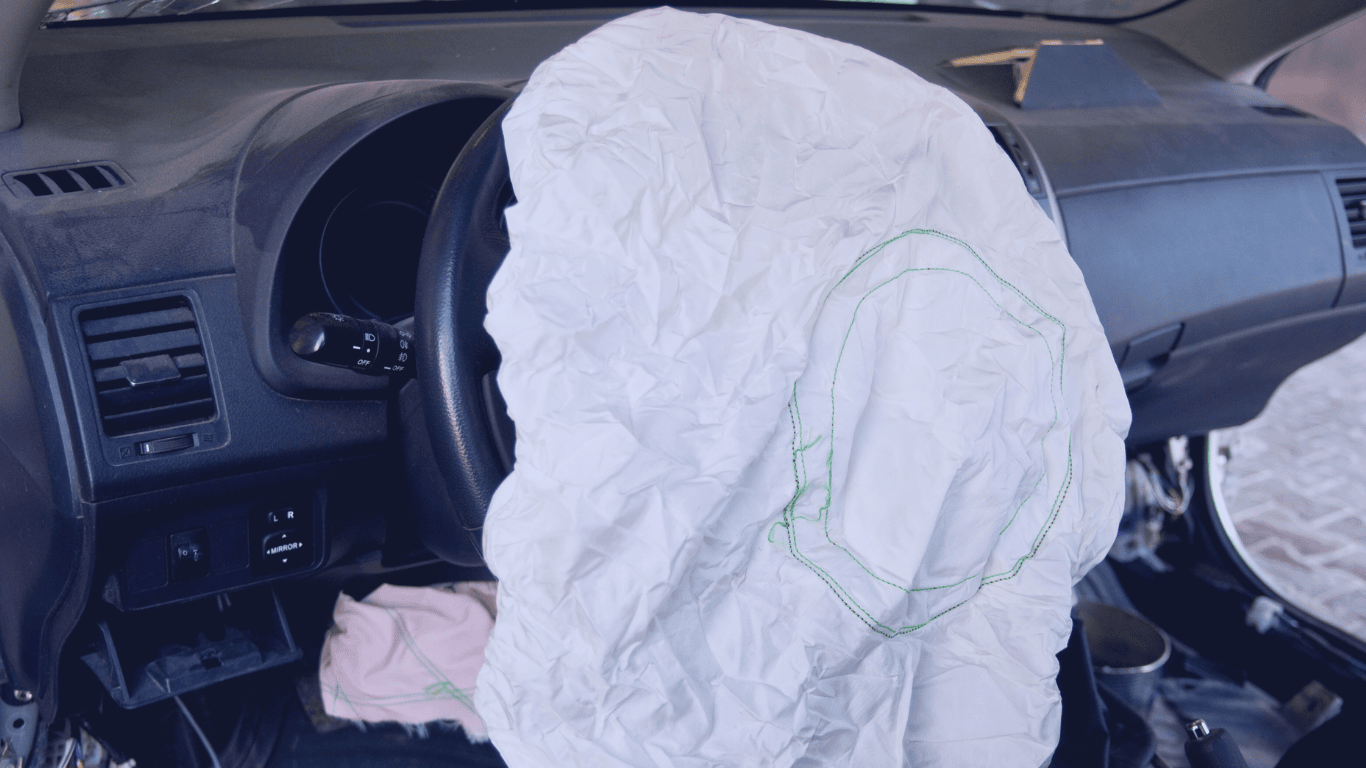
Deployed airbags can turn what seems like a minor incident into a complex and expensive repair situation.
Airbags are vital safety components intricately linked to sensors, control modules, and even explosive charges, making their repair or replacement a complex task. Ignoring warning lights or attempting quick fixes can compromise your safety, insurance coverage, and even legal compliance.
In this guide, we’ll walk you through the key components involved in airbag repair, from sensors to control modules, and uncover the unexpected labor and disposal costs most people don’t anticipate.
Full Cost Breakdown: Parts, Labor, and Hidden Fees
Replacing a deployed airbag involves multiple components and services that add up quickly. You’re paying for airbag units, sensors, control modules, wiring, plus the certified labor to install everything correctly.
Each component carries its own price tag, and the final bill includes diagnostic scans, calibration time, and fees for hazardous material disposal.
Airbag Unit(s)
The airbag itself represents the biggest expense in most repairs, with costs varying significantly based on location and type:
- Driver’s airbag: $1,000–$2,470
- Passenger airbag: $1,000–$1,500
- Side-curtain airbags: Can range from under $500 to over $1,300 per bag, depending on vehicle make and model.
These prices assume the use of brand-new, original equipment manufacturer (OEM) parts. High-quality aftermarket or salvaged units can save you hundreds, but they often lack factory warranties and may not be acceptable to some insurers. Luxury vehicles cost considerably more due to proprietary steering wheels, custom dashboards, and specialty airbags. When multiple bags deploy simultaneously, total replacement can exceed $3,000, with costs of $ 5,000 or more common for high-end vehicles.
Impact and Seat Sensors
Crash sensors detect impact and signal the control module when to deploy airbags. Damaged sensors must be replaced for the system to function properly:
- Impact sensors: $70–$350 per sensor
- Labor per sensor: $50–$100
- Seat occupancy sensors: $100–$400 plus labor
Seat sensors cost more because they’re buried under cushions and require recalibration after installation. Modern cars typically have multiple sensors throughout the vehicle, so if a hard impact damages four or five sensors, this component alone can exceed $1,000.
Airbag Control Module (ECU)
The control module serves as the system’s brain, storing crash data and commanding airbag deployment. Replacement costs depend heavily on your vehicle’s age and complexity:
- Control module: $200–$1,200
- Installation labor: $100–$300 (1–3 hours)
In less severe crashes, your original module might be repairable. Professional reset services cost $75–$150 and can erase crash codes while re-arming the system. Whether you can reset or must replace depends on internal damage.
Clock Spring and Steering Components
The clock spring maintains electrical contact between your steering wheel and the airbag as you turn. Deployment often melts or breaks this ribbon cable, disabling horn buttons, radio controls, and the replacement airbag:
- Clock spring: $200–$750
- Installation: $100–$150 per hour (1–2 hours typical)
Since the steering wheel comes off anyway during driver’s airbag replacement, most shops replace the clock spring simultaneously to prevent return visits and ensure full functionality.
Labor, Diagnostics, and Disposal Fees
Labor represents a significant portion of your total cost, especially for complex repairs:
- Hourly rates: $100–$200 (higher at dealers and specialty shops)
- Single bag replacement: 1–2 hours typical, with up to 3 hours possible for complex cases
- Multiple components: 8+ hours common
Additional fees to expect include:
- Pre and post-repair diagnostic scans ($50–$150)
- Hazardous material disposal (varies by shop)
- Advanced driver-assistance system calibration (typically $250–$600)
- Programming and testing (included in labor)
These charges can add $200–$500 or more to your final bill, so ask your shop to itemize all fees upfront rather than discovering them at checkout.
Factors That Drive Your Final Price Tag
Understanding the variables that affect your repair cost helps you anticipate expenses and make informed decisions. These key factors can swing your total bill by thousands of dollars.
Your Vehicle Makes the Biggest Difference
Your car’s make, model, and year largely determine your baseline cost. An economy hatchback with basic front bags typically runs $1,000–$2,000 for a single replacement, while a luxury sedan with smart, multi-stage units can exceed $6,000 for a full system rebuild.
Newer vehicles feature additional sensors and sophisticated control modules, which increase both parts and programming costs.
Performance and exotic brands often rely on proprietary components and custom dashboards; even a steering-wheel bag can exceed $2,000 before labor costs. When multiple bags deploy (front, curtain, and knee units), costs quickly reach $3,000–$5,000+, with every additional sensor or seat-belt pretensioner adding more to your bill.
Parts Choice Creates Major Price Swings
OEM units can cost 20% to 60% more than aftermarket alternatives, yet they’re the surest path to proper fit, warranty compliance, and insurance acceptance.
This choice alone can swing your total cost by hundreds or even over a thousands dollars, especially for major repairs. Aftermarket options offer significant savings but require careful vetting for safety certifications and compatibility.
Hidden Costs Add Up Fast
Collateral damage often surprises vehicle owners. Replacing a blown dashboard cover, steering-wheel trim, or cracked windshield can add hundreds to your invoice.
Global supply-chain disruptions or backorders may also cause delays in parts and lead to price increases.
Understanding how these variables intersect, vehicle specs, labor market, parts choice, and unexpected add-ons, helps you walk into the estimate process prepared to advocate for both your budget and safety.
Step-by-Step Timeline After Deployment
Once a safety system deploys, getting back on the road isn’t as simple as swapping out a single part. Here’s the typical week-long journey and the key questions to ask to ensure every safety box gets ticked.
Day 0: Immediate Safety Check and Towing
After the crash, turn off the engine, exit the vehicle, and arrange a tow. Ask the tow operator: “Will the car be taken directly to a shop certified for SRS repairs?”
Day 1: Diagnostic Scan
A technician connects a scan tool to read crash data and pinpoint damaged components. Shops often charge a separate diagnostic fee, so request: “Can I see the full scan report and line-item costs?” These scans also reveal whether sensors or the control module must be reset or replaced, a critical step that affects overall system repair costs.
Days 1-3: Estimate and Insurance Approval
Expect an itemized quote that lists parts, labor (usually $100–$200 per hour), and disposal fees. Confirm: “Does this estimate cover every deployed component, plus sensors and the SRS module?”
Days 3-7: Parts Ordering and Delivery
OEM components can be back-ordered, especially for newer or luxury models, which can push the timeline out by several days. Ask: “Are these parts in stock, aftermarket, or refurbished, and how will that affect timing and warranty?”
Installation Day: Programming and Calibration (4-8 Hours)
Certified technicians install new components, replace clocksprings, clear crash data, and calibrate the system. A steering-wheel bag alone may take under two hours, but a full multi-bag job can stretch to 3–8 hours.
Final Testing and Documentation
Before you drive away, request written proof that the warning light is off and the SRS passed a post-repair scan. Keep the scan printout, parts receipts, and warranty paperwork; these documents protect you during future resale or insurance claims.
Delays can arise, such as insurance adjuster backlogs, shipping holdups, or unexpected sensor faults, so build a cushion into your schedule and request regular progress updates from the shop.
FAQs About Airbag Replacement
If you’re considering airbag replacement or dealing with an airbag issue, here are some common questions that can help you better understand the process and what to expect.
Can I reset the warning light without replacing anything?
Sometimes. If the light comes on due to stored crash data or a minor sensor glitch, a technician can clear the codes or reset the control module for about $75–$150. That’s much less than a full replacement, which runs $200–$1,200.
The catch? If a component is actually damaged, resetting the light won’t restore safety. Always have the system scanned first to know what you’re dealing with.
Is it illegal to drive without a working safety system?
Federal law doesn’t ban driving after deployment, but vehicles with an SRS light on will generally not fail regular roadworthiness inspections in most states. Your insurance can also deny injury claims if you knowingly operate an unsafe car.
Treat a faulty restraint system as an urgent repair, not an optional one—for both peace of mind and potential legal protection.
How long does replacement take?
A single steering-wheel unit swap usually takes about 1–2 hours. Multi-bag repairs, including module programming and calibration, run for 3–8 hours in total. Parts backorders or complex interior tear-downs can extend the timeline, so ask your shop for a realistic timeframe upfront.
Will my car be totaled after deployment?
It depends on the value of your car. Comprehensive safety system repairs can cost $3,000–$5,000; if that exceeds your vehicle’s market value, insurers often declare a total loss. Newer, higher-value cars are more likely to be repaired than older models, particularly when the repair cost exceeds the vehicle’s value.
Are aftermarket units safe?
Some non-OEM units meet strict safety standards; however, quality varies significantly. Lower prices come with real risks, including unverified compatibility with your specific vehicle, uncertain propellant age and reliability, and potential insurance pushback on claims. Ask for documented compliance certifications before considering aftermarket options.
Can I buy components online?
Yes, but be smart about it. Reputable salvage suppliers sell certified used units that can dramatically cut parts costs.
Before buying, verify the VIN match for your specific vehicle, demand proof the unit was never deployed, and plan on professional installation—this isn’t a DIY job.
Ensure Your Airbag System is Fully Restored for Safety and Peace of Mind
Airbag replacement is a crucial repair that should not be delayed, as it directly impacts your safety and the functionality of your vehicle’s safety systems.
Understanding the various components, hidden costs, and timeframes involved in the repair process will help you make more informed decisions and avoid unexpected expenses.
Whether you’re dealing with a single airbag deployment or a full system replacement, addressing the issue promptly ensures your car remains safe to drive and compliant with legal requirements.
For expert assistance with airbag replacement or to learn more about your options, Sunbit’s auto repair directory connects you with trusted professionals who can help guide you through the process.