



Summary
This guide explains the two ways financing reshapes your cash position, introduces the single metric that determines take-home profit per case, and shows why approvals belong in any honest cash-flow conversation.
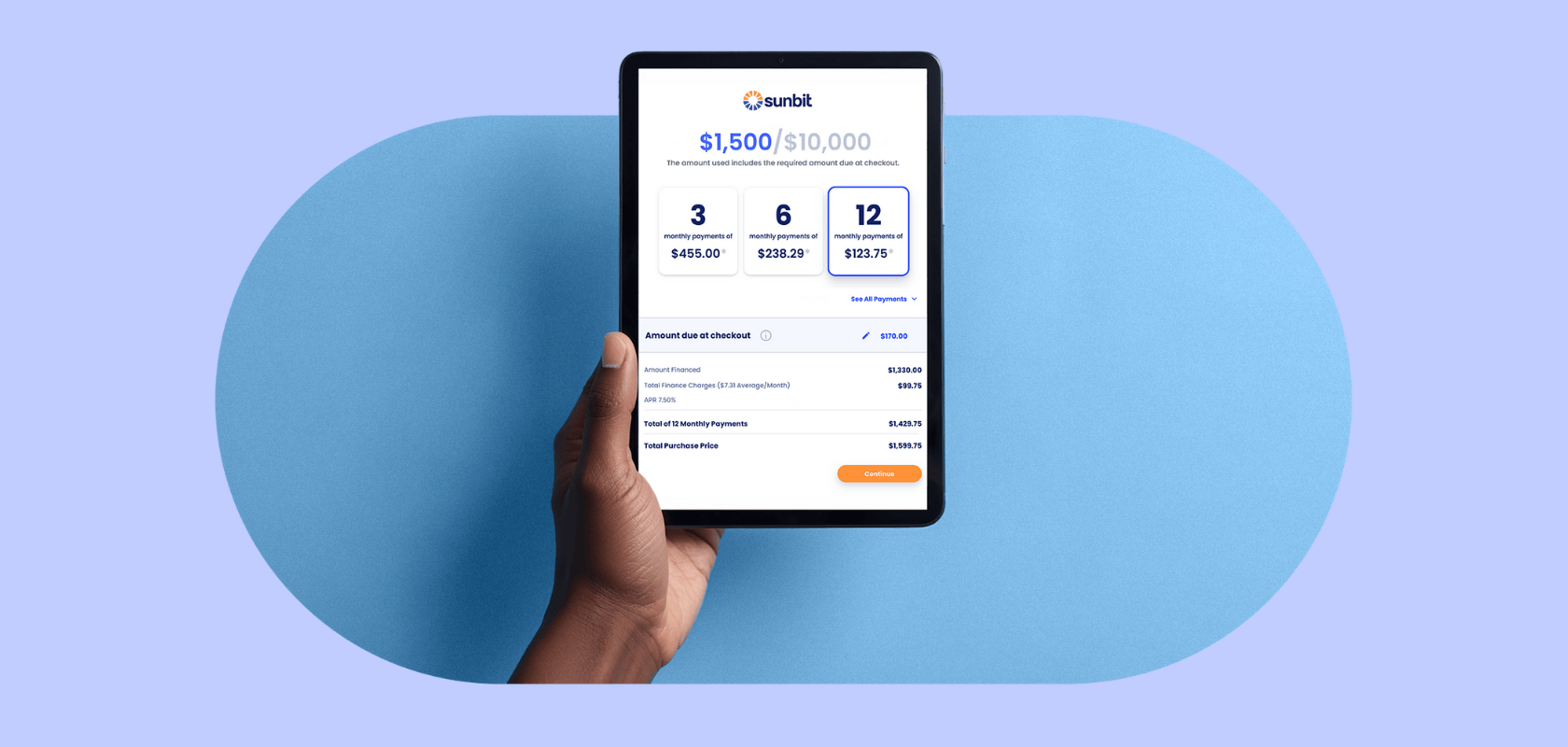
Cash flow is the heartbeat of a dental practice. Treatment can be booked and even delivered, but until the money actually lands in the account, it can’t cover payroll, restock supplies, or fund growth. Patient financing changes the timing of that cash — and, depending on how it’s priced, the amount you ultimately keep.
This guide explains the two ways financing reshapes your cash position, introduces the single metric that determines take-home profit per case, and shows why approvals belong in any honest cash-flow conversation. It builds on our overview of Understanding Dental Practice Profit Margins: A Manager’s Guide.
Two ways financing changes your cash position
- Speed. Instead of waiting on in-house payment plans, the practice is funded by the financing partner — typically within a few business days of the transaction.
- Certainty. The practice no longer carries collection risk on the financed amount, which smooths the month-to-month volatility that makes planning so hard.
Together, these turn an unpredictable stream of patient payments into fast, reliable deposits. But speed and certainty are only half the story — the other half is how much of each financed dollar you actually keep.
The metric that matters: net deposit per case
Funding speed gets all the attention, but net deposit is where profit lives. Net deposit is simply the gross financed amount minus the merchant fee. Two partners can fund equally fast and still leave very different amounts in your account, because their fee structures differ.
This is the heart of “more take-home per case.” A simpler, lower fee means a larger net deposit on the exact same treatment. Sunbit’s two-tier model starts as low as 1.9% on the lowest tier, which means more of each financed case stays with the practice versus a high-fee promotional 0% product where the practice subsidizes the patient’s interest.
Worked example (illustrative)
On a $3,000 financed case:
- A higher-fee 0% APR product, carrying a steep merchant rate, nets a smaller deposit to the practice.
- Simpler two-tier pricing nets more of that $3,000 back to the practice.
Plug in your own average merchant rate, then multiply the difference across your annual financed case volume. The number is usually larger than managers expect.
Don’t forget the volume side of cash flow
Net deposit per case is only one lever. The other is how many cases get financed at all. Broader approvals mean more patients can move forward, which raises total financed volume — and therefore total cash in the door.
Sunbit approves 87% of applicants, including patients above a 500 credit score that prime-only lenders routinely decline, with no hard credit check.* Higher approvals combined with a higher net deposit per case is what turns financing from a convenience into a genuine cash-flow engine.
The research backs this up: according to the 2026 State of Dental by Sunbit report, practices that introduced or expanded third-party financing during the year saw their rate of collections improvement climb sharply, topping 60%.
Make cash flow a system, not a hope
Faster deposits, lower collection risk, more of each dollar retained, and more cases financed in the first place — these compound. Treat financing as a deliberate part of your cash-flow strategy rather than a checkout afterthought, and the practice’s financial rhythm steadies.
See how much more you could keep per case. Sunbit pairs an 87% approval rate with simple, low pricing — more financed cases, more net deposit on each. See how Sunbit compares →
Frequently asked questions
How does patient financing improve dental practice cash flow?
Financing replaces slow or uncertain patient payments with fast, predictable deposits — typically funded within a few business days — and removes collection risk on the financed amount, which smooths month-to-month volatility.
What is net deposit per case?
Net deposit is the gross financed amount minus the merchant fee. It’s the amount that actually reaches your practice on a financed case, and it’s the truest measure of what a financing partner leaves you after pricing.
How quickly do practices get paid with third-party financing?
With most third-party financing, the practice is funded within a few business days of the transaction, rather than waiting on installment payments. Exact timing varies by provider.
Does a higher approval rate affect cash flow?
Yes. Broader approvals mean more patients can finance treatment, which raises total financed volume and total cash in the door. Higher approvals combined with a higher net deposit per case is what makes financing a genuine cash-flow engine.
*Approval rate reflects Sunbit dental program performance and is subject to approval based on creditworthiness. Loans are made by Transportation Alliance Bank Inc. dba TAB Bank, which determines qualifications for and terms of credit.