



Summary
Professional dental cleanings are crucial for maintaining oral health and preventing serious systemic health issues. These routine 30-60 minute appointments involve scaling, polishing, and fluoride treatment, effectively removing plaque and tartar. Regular cleanings help prevent gum disease, cavities, and bad breath, while also contributing to a brighter smile and overall body protection.
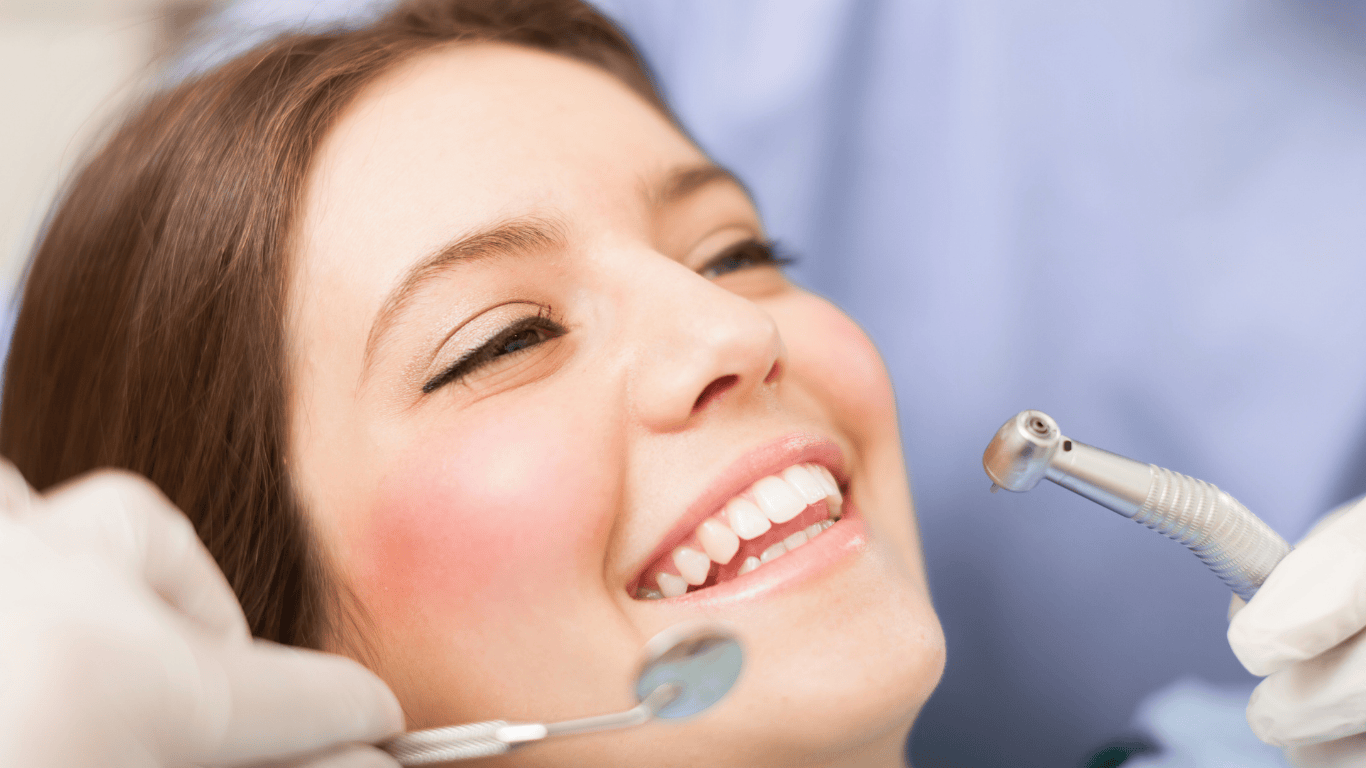
If you’ve ever wondered exactly what happens once you settle into the dental chair, a standard prophylaxis follows a predictable six-step routine designed to leave your mouth healthier and brighter in about 30–60 minutes.
Your hygienist begins with a comprehensive approach that addresses every aspect of your oral health:
Pre-Cleaning Review and Oral Exam
Your hygienist starts by updating your medical history and examining every corner of your mouth with a small mirror.
This quick check identifies early cavities, gum inflammation, or other issues that may require the dentist’s attention before proceeding.
Scaling: Removing Plaque and Tartar
Using hand scalers or an ultrasonic tip that vibrates while flushing water, your hygienist gently removes the sticky film of plaque and the rock-hard tartar that your toothbrush can’t reach.
They focus especially on areas along the gumline and between teeth where buildup tends to accumulate.
Polishing for a Smoother Surface
Next comes a slow-speed handpiece fitted with a rubber cup filled with mildly abrasive prophylaxis paste.
This step buffs out surface stains from coffee, tea, or tobacco and cleans your enamel without significantly affecting its smoothness or the ability of new plaque to adhere.
Professional Flossing
Your hygienist threads floss between every tooth to catch any lingering paste and debris. They’re also checking for spots that bleed or snag; useful information for improving your home routine.
Thorough Rinsing
A quick swish with water or an antimicrobial rinse clears out any loosened particles, leaving your mouth feeling fresh.
Fluoride Treatment and Final Assessment
A concentrated gel, foam, or varnish sits on your teeth for a few minutes, strengthening your enamel against future acid attacks from bacteria.
The cleaning wraps up with a final examination to ensure nothing was missed, followed by personalized brushing, flossing, or product recommendations you can use at home.
This routine cleaning differs significantly from a deep cleaning, also known as scaling and root planing, which reaches below the gumline to treat active gum disease and typically requires anesthesia and multiple visits.
Most people only need the standard cleaning every six months to maintain healthy teeth and gums.
5 Big Benefits of Regular Dental Cleanings
When you slide into the chair for a professional cleaning, you’re giving yourself far more than a quick polish. The short visit tackles five health wins that ripple well beyond your mouth.
1. Stay Ahead of Gum Disease
Professional cleanings help you stay ahead of gum disease by scraping away plaque and hardened tartar that even perfect brushing can’t budge.
You remove the bacteria that spark gingivitis and, if ignored, periodontitis, the top cause of adult tooth loss according to oral-health experts.
Fewer bacteria means calmer gums, firmer bone support, and fewer future emergencies.
2. Prevent Cavities in Hard-to-Reach Areas
The same plaque removal also helps curb cavities in areas your toothbrush may miss.
Tartar shelters acid-producing microbes that bore through enamel; once it’s gone, decay has a tougher time gaining a foothold.
That single preventive step can spare you the bigger bills and chair time tied to fillings or crowns.
3. Enjoy Fresher Breath
Freshly cleaned teeth translate into fresher breath. Odor-causing sulfur compounds thrive in plaque; clearing them out leaves your mouth noticeably cleaner and boosts your confidence.
Patients often anecdotally describe a sensation of ‘just-from-the-dentist’ freshness after a scale and polish, but this experience is not specifically documented in dental surveys or consensus reports.
4. Get a Brighter, More Radiant Smile
Polishing lifts surface stains from coffee, tea, wine, and tobacco. Smooth enamel reflects more light, giving you a brighter, more radiant smile without whitening kits or filters; a quick cosmetic pick-me-up built into preventive care.
5. Protect Your Entire Body
Professional cleanings protect your entire body from systemic health risks. Oral bacteria have been linked to respiratory infections and poor blood-sugar control in diabetes, while clinical research shows connections between gum inflammation and cardiovascular disease.
By reducing that bacterial load and inflammation every six months, you’re lowering systemic risks while paying a fraction of what advanced medical and dental treatments cost later.
How Often Should You Schedule a Dental Cleaning?
Most people need dental cleanings every six months. This standard timeline prevents plaque buildup, gum disease, and cavities for the majority of patients.
However, certain conditions require more frequent visits. If you smoke, are pregnant, have diabetes, or already battle periodontal disease, bacteria and tartar accumulate faster. Many dentists recommend visits every three to four months.
This shortened schedule helps your hygienist stay ahead of inflammation and catch problems early. The same frequent schedule applies after deep cleaning procedures while your gums heal.
Children follow a slightly different timeline. Schedule the first dental visit by age one, or within six months of the first tooth appearing, then transition to six-month cleanings as their teeth and diet develop.
Self-Assessment Checklist
Use this quick self-assessment to determine if you need more frequent cleanings:
- Do your gums bleed when you brush or floss?
- Do you use tobacco?
- Are you pregnant or managing a chronic condition like diabetes?
- Have you had gum surgery or deep cleaning?
- Does visible plaque return within days of brushing?
If you answered “yes” to any question, a three- or four-month schedule may be more suitable for you. Your dentist will customize the timing based on your specific risk factors, helping you avoid surprise cavities and expensive treatments down the road.
Common Concerns About Dental Cleaning
Dental cleanings can feel daunting, but most concerns have simple solutions. Here’s how to address the most common issues that may prevent you from scheduling your next appointment.
Pain or Sensitivity
A routine cleaning shouldn’t hurt, but heavy tartar buildup or exposed roots can make scaling feel sharp.
Most offices use ultrasonic scalers that vibrate plaque away, reducing the scraping sensation. Let your hygienist know if you’re sensitive; a dab of topical anesthetic or switching to hand instruments can help alleviate the discomfort.
Bleeding Gums
Seeing pink in the sink often signals gingivitis, an early and reversible stage of gum disease caused by lingering bacteria. Regular cleanings strip away that bacterial film and usually stop the bleeding within a few visits.
Time Constraints
Most appointments wrap up in 30–60 minutes, including the exam, scaling, polishing, and fluoride treatment. Booking a visit first thing in the morning or during lunch helps keep it from derailing your schedule.
Dental Anxiety
Noise-canceling headphones, a calming playlist, and asking the team to talk you through each step can lower stress. Many practices also offer weighted blankets or TV goggles on request.
Post-Cleaning Soreness
A little tenderness is normal for a day or two. Stick with soft foods, rinse with warm salt water, and take an over-the-counter pain reliever if needed. If soreness or swelling persists or escalates after 48 hours, please call the office; severe pain is not a standard symptom.
Dental Cleaning FAQs
Still not convinced that dental cleaning is right for you, or do you have more questions? Check out these frequently asked questions to learn more.
Are there different kinds of teeth cleanings?
Yes. A routine prophylaxis targets plaque and tartar above the gumline, while a deep cleaning—comprising scaling and root planing—treats periodontal disease below the gums and often requires multiple visits. If your dentist mentions bone loss or pocket depths, you’ll need the deeper option, not just a polish.
How long does a cleaning take?
Plan on 30–60 minutes. The shorter end covers straightforward scaling and polishing; add more time if you need X-rays, fluoride treatment, or additional stain removal.
Is it safe during pregnancy?
Yes. Professional cleanings help control pregnancy gingivitis, and most dentists recommend at least one dental visit during pregnancy, ideally in the second trimester, unless you’ve had a check-up in the six months before conceiving.
How long do results last?
Plaque begins forming again within hours, so the sparkle only lasts if you brush twice daily, floss, and limit your consumption of sugary snacks. Think of the professional cleaning as a reset button you maintain at home.
Can children skip fluoride?
No. Professional fluoride strengthens young enamel and can dramatically cut cavity risk. If you have concerns about dosage or flavor, discuss alternatives with your dentist.
Are dental cleanings worth it?
Yes. Routine dental cleanings typically cost significantly less than restorative procedures, such as fillings, crowns, or gum surgery. Maintaining regular dental visits can help prevent more serious problems and associated costs over time.
What happens if I skip a cleaning?
Plaque hardens into tartar, gums inflame, and your risk of cavities, tooth loss, heart disease, and diabetes complications climbs. Missing one appointment can snowball into expensive, medically significant problems.
Your Health Starts With a Cleaning
Skipping a cleaning may seem harmless in the moment, something to put off for a few weeks, then a few more, but as science shows, those delays quietly increase your risk for cavities, gum disease, and even heart problems.
A 60-minute appointment twice a year does more than freshen breath—it protects your smile, your confidence, and your long-term health.
If you’re unsure where to start, Sunbit’s dental provider directory makes it easy to find local practices.
Don’t wait for pain to be your reminder. Schedule your next cleaning today, and give your future self something to smile about.