






Summary
Proper paint maintenance costs $100-$300 annually but prevents $3,000-$8,000 repainting bills while preserving your vehicle’s value. Sun exposure, contaminants, and improper washing cause fading, oxidation, and clear coat failure that destroys your car’s appearance and resale worth. Learn proven techniques for washing, waxing, and protecting your paint, plus how to spot early damage before it becomes expensive to repair.
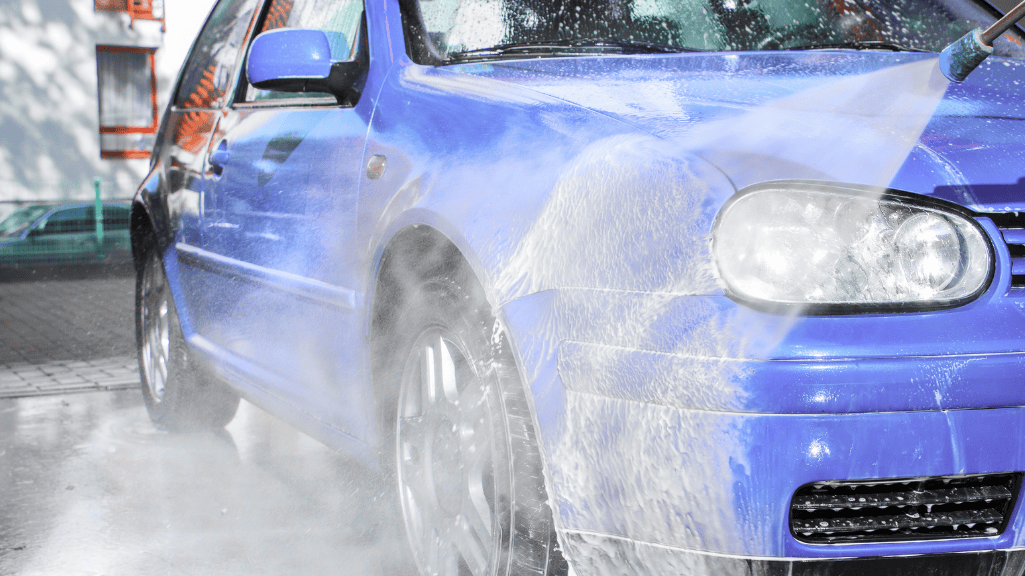
That gut-wrenching moment when you step back to admire your freshly washed car only to notice the paint that once gleamed like a mirror now looks dull, chalky, and tired. The hood that used to reflect clouds now resembles faded construction paper, and what you thought was just surface dirt turns out to be irreversible oxidation eating through your clear coat.
Welcome to paint deterioration—the silent value killer that transforms your pride and joy into a rolling advertisement for deferred maintenance while quietly erasing thousands from your vehicle’s worth.
Here’s what makes paint damage particularly insidious: it happens gradually, almost imperceptibly, until one day you realize your car’s finish has crossed the line from “needs a good wash” to “needs professional intervention.” What could have been prevented with $20 monthly washing has evolved into clear coat failure requiring thousands in professional restoration.
But paint deterioration doesn’t have to be inevitable. Understanding what damages automotive paint, implementing proper protection routines, and recognizing early warning signs can keep your vehicle looking showroom-fresh for years while preserving its resale value. The difference between a car that maintains its beauty and one that fades into mediocrity often comes down to consistent care and knowing which shortcuts aren’t worth taking.
Understanding Your Car’s Paint: Layers That Deserve Protection
Modern automotive paint isn’t just a single coat of color—it’s a sophisticated multi-layer system designed to provide both beauty and protection. Understanding these layers helps you protect them properly and recognize when damage is occurring.
The four-layer system:
- Primer: Bonds paint to metal and prevents corrosion
- Base coat: Provides color and visual depth
- Clear coat: Protects underlying layers and provides gloss
- Optional protection: Wax, sealants, or ceramic coatings
Most visible paint damage occurs in the clear coat, which acts as a sacrificial layer protecting the colored paint underneath. When clear coat fails, the expensive base coat becomes vulnerable to UV damage, oxidation, and contamination that can require complete repainting to correct.
The Silent Enemies Destroying Your Paint
UV radiation: The most destructive force affecting automotive paint, breaking down chemical bonds in clear coat and causing fading, chalking, and eventual peeling.
Environmental contaminants: Bird droppings, tree sap, road tar, and industrial fallout create chemical reactions that etch permanently into paint if not removed promptly.
Improper washing techniques: Swirl marks, scratches, and marring from dirty wash mitts, rough towels, or automatic car washes that slowly destroy clear coat clarity.
Oxidation: Chemical breakdown of paint components when exposed to oxygen, moisture, and heat, creating the chalky, faded appearance that signals irreversible damage.
Road salt and chemicals: Winter road treatments and industrial chemicals that create corrosion and etching requiring professional correction to remove.
Early Warning Signs: Catching Paint Damage Before It’s Too Late
Visual Symptoms of Paint Deterioration
Fading or color change: Most noticeable on horizontal surfaces like hoods and roofs where UV exposure is most intense. Red paints typically show fading first, while black paints are more prone to visible scratches rather than true fading.
Chalky or oxidized appearance: Paint feels rough to the touch and appears dull or whitish, indicating clear coat breakdown that may still be correctable with professional polishing.
Swirl marks and fine scratches: Circular patterns visible in direct sunlight, usually caused by improper washing or drying techniques that can be corrected with paint correction.
Clear coat peeling or flaking: Advanced damage where clear coat literally separates from base coat, requiring professional repainting to restore properly.
Water spots and etching: Permanent marks from mineral deposits or acidic contaminants that have penetrated the clear coat and cannot be removed with washing alone.
Loss of gloss and depth: Paint appears flat and lifeless rather than deep and reflective, indicating clear coat degradation that may respond to professional polishing.
The Paint Damage Timeline
Months 1-6: Contamination buildup, minor swirl marks from washing Months 6-18: Beginning UV damage, slight fading on horizontal surfaces Years 2-3: Noticeable oxidation, clear coat thinning, reduced gloss Years 4-5: Significant fading, possible clear coat failure requiring professional intervention Beyond 5 years: Complete clear coat breakdown, potential base coat damage requiring repainting
Proven Paint Protection Strategies That Actually Work
The Foundation: Proper Washing Technique
Two-bucket wash method (prevents swirl marks):
- Rinse bucket: Clean water for rinsing wash mitt
- Soap bucket: Quality car shampoo for washing
- Grit guard: Prevents dirt from transferring back to wash mitt
Step-by-step washing process:
- Pre-rinse: Remove loose dirt and debris
- Wheels first: Clean dirtiest parts before touching paint
- Top-down washing: Start with roof, work down to prevent recontamination
- Frequent mitt rinsing: Rinse in clean water after each panel
- Proper drying: Use clean microfiber towels or chamois
Cost: $50-$100 in supplies, 1-2 hours monthly vs. $500-$2,500+ paint correction
Protection Products: From Basic to Premium
Traditional car wax ($15-$40):
- Duration: typically 1-2 months protection
- Benefits: Easy application, enhances gloss, provides UV protection
- Best for: Weekend warriors wanting basic protection
Paint sealants ($25-$60):
- Duration: 4-6 months protection
- Benefits: Longer lasting than wax, chemical resistance
- Best for: Daily drivers needing extended protection
Ceramic coatings (typically $800-$3,000 for professional application):
- Duration: 2-5 years protection
- Benefits: Extreme durability, chemical resistance, easier cleaning
- Best for: High-end vehicles or long-term ownership plans
Paint protection film ($1,500-$5,000):
- Duration: 7-10 years protection
- Benefits: Physical barrier against chips and scratches
- Best for: New vehicles or high-impact areas like front bumpers
Environmental Protection Strategies
Parking practices that preserve paint:
- Garage parking: Eliminates UV exposure and contamination
- Shade seeking: Reduces UV damage by 70-80% compared to direct sun
- Tree avoidance: Prevents sap, bird droppings, and falling debris
- Distance from roads: Reduces exposure to road spray and contaminants
Seasonal protection adjustments:
- Summer: Increase wax frequency, park in shade, frequent washing
- Winter: Apply protection before salt exposure, wash weekly to remove chemicals
- Spring: Deep cleaning to remove winter contamination, fresh protection application
- Fall: Preparation for harsh weather, thorough decontamination
DIY vs. Professional Paint Care: Making Smart Choices
Effective DIY Paint Maintenance
Monthly routine (1-2 hours, $20-$30):
- Thorough washing with proper technique
- Quick detailer for spot cleaning
- Visual inspection for damage or contamination
Quarterly routine (3-4 hours, $40-$60):
- Deep cleaning with clay bar treatment
- Wax or sealant application
- Interior protection and cleaning
Annual routine (6-8 hours, $100-$150):
- Complete decontamination
- Paint inspection and touch-up
- Premium protection product application
DIY savings: $150-$300 annually vs. $500-$800 professional detailing
When Professional Help Pays Off
Professional paint correction ($500-$1,500):
- Removes swirl marks, light scratches, and oxidation
- Restores gloss and clarity to damaged clear coat
- Often eliminates need for repainting when caught early
Ceramic coating application ($800-$2,000):
- Professional surface preparation and application
- 2-5 year protection with proper maintenance
- Often includes warranty coverage
Paint protection film installation ($2,000-$6,000):
- Custom-cut film for precise fit
- Professional installation prevents bubbles and lifting
- Comprehensive coverage for high-impact areas
Common Paint Care Mistakes That Cause Damage
Washing Errors That Destroy Clear Coat
Single-bucket washing: Transfers dirt and grit back to paint, creating swirl marks and scratches with every wash.
Automatic car washes: Harsh brushes and recycled wash water can cause more damage than protection, especially to newer or well-maintained paint.
Washing in direct sunlight: Causes soap and water to dry too quickly, leaving spots and making proper rinsing difficult.
Using household cleaners: Dish soap and other detergents strip protective wax and can damage paint chemistry.
Dirty wash tools: Contaminated mitts, towels, or brushes act like sandpaper against delicate clear coat surfaces.
Protection Product Misuse
Over-waxing: More isn’t better—excessive wax builds up and attracts dirt rather than providing protection.
Wrong product for conditions: Using carnauba wax in harsh climates where synthetic sealants would provide better protection.
Inadequate surface preparation: Applying protection over contaminated paint traps dirt and reduces effectiveness.
Ignoring manufacturer instructions: Each product has specific application requirements for optimal performance and durability.
Addressing Paint Damage: Repair vs. Replace Decisions
Minor Damage Correction (DIY Possible)
Light swirl marks and scratches:
- Polishing compound: $15-$30, removes light clear coat damage
- Machine polishing: $100-$300 for quality polisher, faster and more consistent results
- Professional correction: $500-$800, typically uses proper technique and improves results
Water spots and light etching:
- Vinegar solution: Free home remedy for fresh mineral deposits
- Commercial spot removers: $10-$25, formulated for automotive paint
- Clay bar treatment: $20-$40, removes embedded contaminants
Major Damage Requiring Professional Help
Clear coat failure:
- Paint correction: $500-$1,500, restores clarity and gloss
- Spot repainting: $800-$2,000 for individual panels
- Complete repaint: $3,000-$8,000 for entire vehicle
Base coat damage:
- Touch-up paint: $20-$50 for small chips and scratches
- Professional touch-up: $100-$300 for color-matched repair
- Panel repainting: $500-$1,500 depending on size and complexity
Protecting Your Investment: Paint Care ROI
Resale Value Protection
Well-maintained paint impact:
- Adds $1,000-$2,000 to resale value on average vehicles, primarily by preventing depreciation and maintaining original condition
- Can represent 15-25% of total vehicle value on luxury cars
- Makes vehicles sell faster in competitive markets
Cost-benefit analysis:
- Annual maintenance: $200-$400
- Professional paint protection services typically cost $500-$1,200 for partial coverage and much more for full protection, with maintenance or renewal every 2-3 years often exceeding $800.
- Total 5-year investment: $1,500-$2,500
- Resale value protection: $3,000-$8,000+
Insurance and Protection Considerations
Comprehensive coverage: Verify your auto insurance covers paint damage from hail, vandalism, or environmental factors.
Paint protection warranties: Some professional services offer warranty coverage against defects or premature failure.
Documentation value: Maintain records of paint care and protection for resale value and insurance claims.
FAQ: Paint Maintenance Myths and Misconceptions
Does frequent washing damage car paint?
Properly executed washing actually protects paint by removing damaging contaminants. However, poor technique or dirty tools can cause damage. Quality car shampoo and proper two-bucket washing won’t harm your paint—neglect and contamination will.
Are expensive paint protection products worth the cost?
Premium products like ceramic coatings and paint protection film offer superior protection and durability but require proper application and maintenance. For long-term ownership or high-value vehicles, the protection often justifies the cost through preserved appearance and resale value.
Can I fix paint damage myself?
Minor issues like light swirl marks, water spots, and surface contamination often respond to DIY treatment. However, significant clear coat damage, deep scratches, or color fading typically require professional correction to avoid making problems worse.
How often should I wax my car?
This depends on your protection product and driving conditions. Traditional wax needs reapplication every 2-3 months, while synthetic sealants last 4-6 months. Ceramic coatings may only need annual maintenance. More frequent protection is better than less.
Will paint damage affect my car’s safety?
While paint damage primarily affects appearance and value, severe corrosion can compromise structural integrity. Additionally, poor visibility through damaged windshields or mirrors can create safety hazards requiring immediate attention.
Take Action Before Damage Becomes Irreversible
Car paint maintenance represents one of the most cost-effective ways to preserve your vehicle’s value and appearance. While consistent care requires time and modest investment, the alternative—watching your car’s finish deteriorate into expensive restoration territory—costs far more in both money and regret.
Those early signs of paint degradation—slight fading, minor swirl marks, or loss of gloss—aren’t cosmetic imperfections to accept. They’re opportunities to intervene before damage becomes irreversible and expensive to correct. Smart paint care means establishing protective routines, using proper techniques, and addressing problems while they’re still manageable.
Whether you handle maintenance yourself or invest in professional protection, the key is consistency and using products appropriate for your climate and driving conditions. A car that maintains its showroom appearance isn’t just more beautiful—it’s more valuable, easier to sell, and reflects the pride you take in your automotive investment.
For professional paint protection, correction, and detailing services that preserve your vehicle’s beauty and value, visit Sunbit’s directory of trusted auto care specialists near you. Don’t let preventable paint damage diminish your car’s appearance and worth—protect your investment while affordable solutions still exist.