



Summary
The cost of fuel injector replacement can range from $1,200 to over $4,000, depending on factors like vehicle make, engine type, and whether you replace a single injector or a full set. Parts typically cost $100 to $1,000 each, with labor adding several hundred dollars based on engine accessibility. Ignoring symptoms like engine misfires, rough idling, or a drop in fuel economy can lead to more severe engine damage and significantly higher repair bills. For high-mileage vehicles, replacing the full set at once is often more cost-effective.
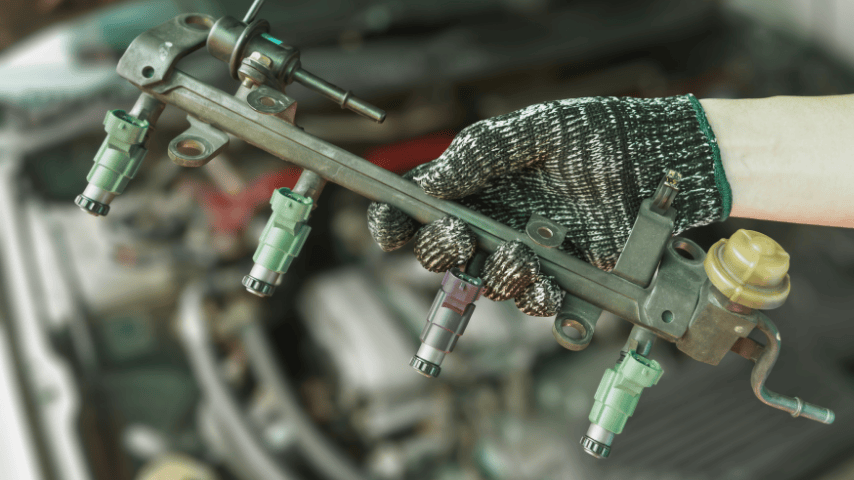
When your car starts stuttering or your check engine light flickers on, fuel injector problems may be the culprit. These critical components deliver precisely measured fuel to your engine, and when they falter, your vehicle’s performance suffers dramatically.
Fuel injectors represent one of those repairs that mechanics approach with care, requiring specialized knowledge and precision. The complexity varies widely depending on your vehicle’s make, model, and engine design.
What seems like a straightforward component replacement can quickly become complicated based on accessibility and technical requirements.
Understanding the factors that affect fuel injector service helps you make informed decisions about your repair options.
Breaking Down Parts and Labor Costs
Each injector typically costs $100–$1,000, with diesel and direct-injection units commanding top dollar. Because injectors require precision machining, part prices often dwarf labor on luxury models.
- Example: A Chevrolet SS requires about $1,020 for parts and $196 for labor to replace all fuel injectors
- Individual injectors typically cost much less than complete sets
Labor runs $110–$406 per injector, depending on engine accessibility and local shop rates. The good news? Labor doesn’t scale linearly with multiple injectors.
Once the intake manifold comes off, swapping additional injectors adds minutes, not hours. This efficiency makes full-set replacements offer better value:
- Four-cylinder engines: $1,200–$2,500 total
- V8 or diesel engines: $2,500–$4,000+
5 Key Factors That Change Your Quote
Five variables determine whether you’ll pay hundreds or thousands for this repair:
1. Vehicle Make, Model, and Engine Type
- Mainstream brands use widely available injectors
- European or performance cars require expensive OEM pieces
- Diesel injectors cost more and take longer to access than gasoline versions
2. Number of Injectors Replaced
- Replacing one saves money today
- If others are equally worn, you’ll pay labor costs twice
- Most shops recommend full sets for engines past mid-life
3. Original Equipment Manufacturer (OEM) vs. Aftermarket Parts
- OEM parts ensure a perfect fit and preserve warranty coverage
- Can cost double an aftermarket unit
- Quality aftermarket injectors work well on older vehicles when bought from reputable brands
4. Labor Rates and Shop Type
- Dealerships: $110–$175 per hour with comprehensive warranties
- Independent shops: Often charge less but may offer limited parts coverage
- Complex engines requiring manifold removal rack up more billable hours
5. Geographic Location and Parts Availability
- Urban and coastal regions command higher labor rates
- Rare injectors may need overnight shipping, adding both time and expense
These factors explain why identical vehicles can generate completely different repair quotes.
Hidden Fees to Ask About
Most quotes hide additional costs that can add hundreds to your bill. Before authorizing any work, request a “out-the-door” quote that includes every expected fee to prevent sticker shock. Some include:
- Diagnostic scans
- O-rings and seals
- Fuel-rail flush
- Shop supply/environmental fees
- Sales tax on high-value parts
- Extended warranty upsells
DIY vs. Professional Replacement: Which Saves More?
Swapping your own fuel injectors can look appealing when labor charges reach up to $400 per injector.
Eliminating that line item means real savings, especially for full set replacements. However, the math only works if you already possess the necessary skills and tools to perform the job safely.
You’ll need:
- Solid mechanical experience
- Clear understanding of high-pressure fuel systems
- Discipline to follow manufacturer torque specs exactly
Essential tools and supplies include:
- Torque and line-disconnect wrenches
- New seals and O-rings plus fuel-safe lubricant
- Protective gear—gloves, eye protection, fire extinguisher
- Scan tool to confirm pressure and clear codes
If you’re not experienced, you risk:
- Burns and scalds from hot fluids and surfaces during injector removal
- Damage to expensive engine components
- Responsibility for damaged parts, voided warranties
- Potentially starting over with professional installation
On the flipside, professional shops offer:
- Trained technicians
- Liability insurance
- Workmanship guarantees
- Diagnostic work to confirm injector failure
- Ability to spot related issues that might cause premature replacement failure
Do it yourself only if you’re confident you can meet factory standards, and budget for new tools and safety equipment. Otherwise, paying a professional often costs less than fixing mistakes made through DIY methods.
Smart Ways to Save on Fuel Injector Replacement
The key to avoiding repeated injector repairs is thinking beyond the immediate problem. These strategies help minimize costs while maximizing your investment:
1. Replace the Full Set at Once
If one injector has failed in a high-mileage engine, replacing the entire set during a single visit:
- Saves you from paying labor costs twice
- Prevents uneven performance across cylinders
- Spares you from another shop bill when the next injector inevitably fails
Many mechanics recommend this approach because paying more today often costs less than multiple repair visits in the future.
2. Choose Quality Remanufactured Parts
Benefits of quality remanufactured injectors:
- Can trim hundreds from your total without sacrificing reliability
- Works particularly well for older vehicles where the cost difference is most significant
- Best when bought from a reputable brand that stands behind its work
3. Bundle with Routine Maintenance
- Timing your injector replacement with services that already require manifold or fuel-rail access
- Spark plug changes are generally simpler but often require similar engine access
- Duplicate labor charges typically do not apply when services are combined
Symptoms of a Bad Fuel Injector (Don’t Ignore These)
A healthy injector delivers a precise mist of fuel; when it falters, you’ll notice the difference right away. Because these symptoms can mimic other problems, spotting the pattern quickly prevents a minor issue from becoming a major repair.
Performance Issues You’ll Feel
- Engine misfires: sputtering or shaking sensation during acceleration or idle
- Rough idling: tachometer needle dances or car vibrates at stoplights
- Slow throttle response or flat-spot hesitation: car feels sluggish when accelerating
Starting and Fuel Economy Problems
- Hard starts or crank-no-start condition (especially on cold mornings)
- Sudden drop in miles per gallon
- Filling up more often without changing driving habits
Warning Signs and Check Engine Lights
- Illuminated check-engine light
- Misfire or rich/lean codes tied to injector faults
- Computer flags from fuel delivery issues
Safety Hazards That Demand Immediate Attention
- Raw-fuel smells or visible drips around the rail (fire hazard)
- Thick black smoke from the exhaust (excess fuel entering cylinders)
Can You Keep Driving with a Bad Injector?
Technically, yes, but it’s risky business. A weak or leaking injector can cause:
- Misfires that damage other engine components
- Raw fuel washing cylinder walls leading to premature wear
- Catalytic converter overheating from unburned fuel
What starts as a manageable repair can quickly escalate from hundreds to thousands of dollars in damage. Follow your owner’s manual intervals and don’t ignore warning signs.
Keep Your Vehicle Running Smoothly with Expert Fuel Injector Repair
Fuel injector replacement may seem like a daunting task, but understanding the factors involved, from part quality to labor costs, can help you make informed decisions and potentially save money.
Whether you opt for a DIY approach or choose professional service, it’s crucial to address the issue promptly to avoid further engine damage and costly repairs down the road.
For expert help with fuel injector replacement, repairs, or any other automotive concerns, Sunbit’s auto repair directory can connect you with trusted professionals near you.