



Summary
Many dental emergencies can be managed at home, avoiding unnecessary and expensive ER visits. A true dental emergency poses a serious health risk or threatens a tooth’s survival. For less severe issues, temporary relief can be found with over-the-counter pain relievers, cold compresses, and saltwater rinses. The article stresses that prevention through regular dental checkups, wearing a mouthguard during sports, and good oral hygiene is the best way to avoid these crises altogether.
Millions of people visit U.S. emergency departments each year for dental problems. Most of those panicked trips could be avoided if you know what to do in the vital first moments.
Take a knocked-out tooth. Place it back in the socket or keep it moist, and you have roughly 30 minutes to save it. Miss that window and you’re often looking at implants or a permanent gap.
This guide shows you how to recognize a true dental emergency, first-aid measures for some common dental situations, and simple prevention tips that can keep you out of the ER altogether.
Is It Really an Emergency?
Your mouth can throw plenty of curveballs, but not every problem requires a 2 a.m. dash to the hospital. A dental emergency is any situation that poses a threat to life, health, or the long-term survival of a tooth.
Red-flag symptoms that demand immediate attention include uncontrolled bleeding, swelling that makes breathing or swallowing difficult, fever above 101°F, and trauma to the jaw or facial bones.
These signs point to infections or injuries that can spread fast, and sometimes turn life-threatening.
Issues like a small chip, dull sensitivity, or a lost filling without pain are urgent but can usually be addressed during the next available appointment at your dentist’s office. While you monitor those, rinse with warm saltwater, take an over-the-counter pain reliever, and stick to a soft food diet.
When in doubt, call your dentist. Most offices have an after-hours line and would rather answer a midnight question than see you suffer preventable complications.
First-Aid Best Practices for Common Dental Emergencies
Americans lose millions of work or school hours each year dealing with unplanned dental visits. Master these basics, and you’ll significantly reduce that disruption.
Remember, these first-aid measures buy time; they don’t replace a prompt visit to your dentist.
Start With Over-The-Counter Medication
Take ibuprofen 400–600 mg every 6 hours (never more than 2,400 mg in 24 hours). If you can use acetaminophen, alternate 500 mg doses with each ibuprofen cycle.
Keep the total under 3,000 mg daily and check for medical contradictions like liver disease or blood-thinning prescriptions. Combining the two on a staggered schedule often provides steadier relief than either drug alone.
Cold Helps Inflammation
Hold an ice pack or a bag of frozen peas wrapped in a towel against your cheek for 15 minutes on, followed by 15 minutes off, during the first 24 hours. Once initial swelling subsides, switch to a warm compress to encourage drainage and loosen tight jaw muscles.
Try Simple Saltwater Rinses
Dissolve one teaspoon of salt in eight ounces of warm water, swish gently for 30 seconds, then spit. Repeat every few hours for stubborn soreness. This calms irritated tissue and helps flush debris. For targeted numbing, dab a cotton swab in clove oil diluted with a carrier oil and hold it to the painful spot for five minutes.
Skip Folk Remedies That Can Backfire
Aspirin placed directly on the gum can burn tissue, superglue is toxic in the mouth, and “popping” an abscess can drive infection deeper.
Prevention: How to Avoid Dental Emergencies
Most oral health crises are completely preventable with the right daily habits and protective measures. The key is to catch problems early and shield your teeth from the most common causes of damage.
Regular Professional Care
Schedule dental checkups every six months so your dentist can spot tiny cavities or early gum inflammation before they turn into painful abscesses or infections. For children, ask about fluoride treatments and sealants. These create an extra barrier against decay that could otherwise trigger an urgent visit.
Physical Protection
Your teeth need armor during risky activities. A custom mouthguard cushions blows during contact sports like basketball or hockey, while a nightguard prevents the hairline cracks caused by teeth grinding during sleep. Both are far cheaper than emergency dental work.
Smart Dietary Choices
Treat your teeth like glass around certain foods. Skip chewing ice cubes, hard candy, and unpopped popcorn kernels. These love to fracture fillings and chip teeth. After sugary snacks, rinse with water to wash away acids before they can attack your enamel.
Maintain your daily oral hygiene routine: brush twice with fluoride toothpaste, floss or use interdental brushes once a day, and don’t skip these basics, even when you’re tired.
Emergency Preparedness
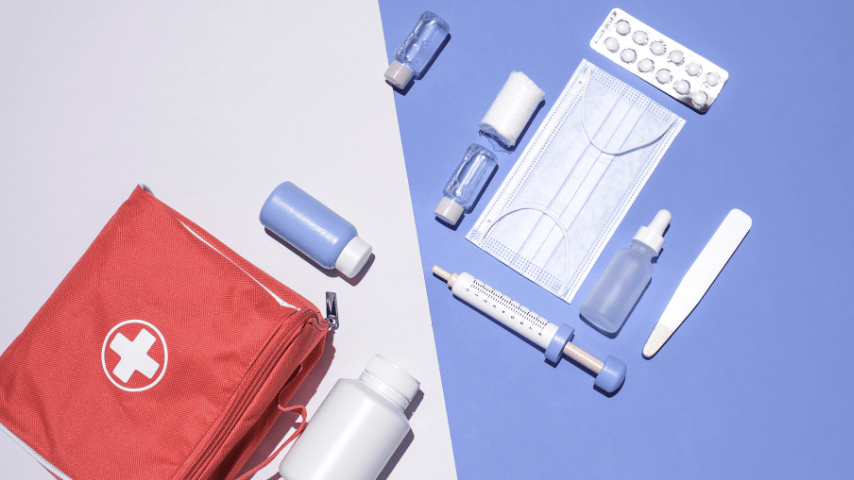
Keep a small dental first-aid kit in your gym bag or travel luggage. Include gauze, a small sealed container, saline solution, and temporary dental cement. These simple supplies can buy precious time if a crown pops off during a trip or a tooth gets damaged during sports.
Consistent care, protective gear, and a little preparation prevent most late-night oral health crises. Your future self will thank you for avoiding that panicked dash to the emergency room.
FAQs About Common Dental Emergencies
You’ve iced, rinsed, and taken pain meds, but questions keep racing through your mind. Here are the most common worries and what to do about them.
My tooth is chipped but painless. How long can I wait?
If the break is smooth and you feel no sensitivity, aim to see a dentist within 24 to 48 hours. Tiny cracks can spread quickly, and bacteria love the new hiding place. Cover any sharp edges with orthodontic wax or sugar-free gum in the meantime.
My child knocked out a baby tooth. Should I try to put it back?
No. Unlike adult teeth, primary teeth aren’t re-implanted because doing so can damage the developing permanent tooth. Gently clean the area with gauze, keep your child comfortable, and schedule a pediatric visit to check for hidden injuries.
I’m swollen after a filling. Is that normal?
Mild puffiness or tenderness from anesthetic needles often subsides within 2 to 3 days. If swelling continues to grow, is accompanied by a fever, or makes swallowing difficult, head to the emergency room: it may signal an infection that can spread rapidly.
Can I use dental cement from the drugstore?
Yes, but only as a 48-hour patch. Temporary cement or even sugar-free gum can protect an exposed cavity or reseat a loose crown until a dentist can secure it properly. Skip superglue; it’s toxic and nearly impossible for your dentist to remove cleanly.
What if I’m unable to reach my dentist right now?
Start by calling your dentist’s after-hours line. Some offices forward calls to an on-call doctor, though this isn’t universal.
If that fails, many cities list urgent dental clinics that accept walk-ins, and some practices offer teledentistry video consults for quick triage. When severe pain, spreading swelling, or uncontrolled bleeding is involved, an ER visit is the safest bet.
Be Prepared for Dental Emergencies
Dental emergencies can happen at any time, but knowing how to act quickly and effectively can make all the difference. By following the right first aid steps and practicing preventive care, you can minimize the risk of more severe complications.
Remember, while quick action is important, it’s essential to follow up with your dentist to ensure the proper treatment and healing.
If you’re uncertain about any dental emergency or need professional assistance, don’t hesitate to consult with your dentist. To find trusted dental professionals near you, explore Sunbit’s dental directory.
Being prepared and taking swift action today can help you avoid a more stressful dental situation tomorrow.