



Summary
An apicoectomy is a surgical procedure performed when a root canal fails to eliminate a tooth root infection. During the procedure, an endodontist removes the tip of the infected tooth root and seals it to prevent further issues. This microsurgery is a last resort to save a tooth from extraction, offering a high success rate and preserving your natural smile. The article provides a detailed guide on how to prepare for the surgery, what to expect during the procedure, and essential tips for a smooth recovery.
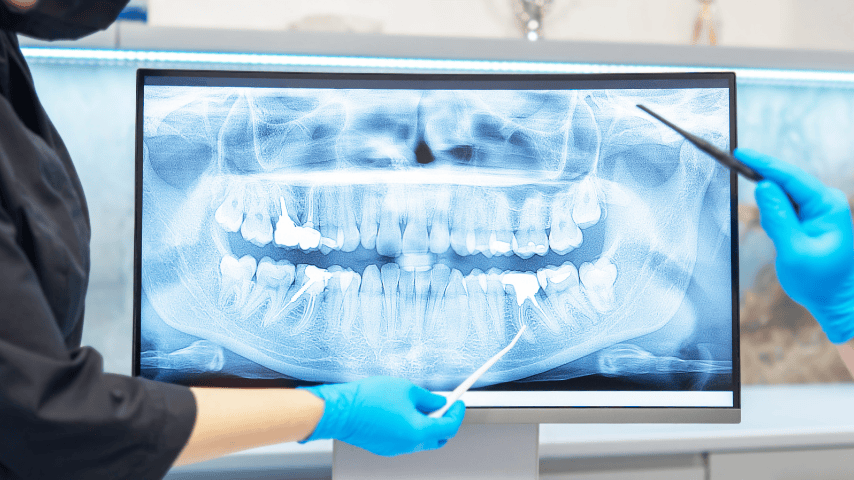
When root canal treatment fails to resolve infection, an apicoectomy offers a surgical solution that removes infection at the root tip without requiring tooth extraction.
Modern microsurgical techniques offer high success rates, enabling you to preserve your natural tooth and avoid the higher costs and complexity associated with implants or bridges.
This guide will help you understand what an apicoectomy involves, how to prepare for it, and what recovery looks like. You’ll get a clear overview of the surgical process, day-by-day recovery milestones, healing tips, potential complications, and typical costs.
What is an Apicoectomy
An apicoectomy is a type of microsurgery used when a root canal fails to fully eliminate an infection at the tip of a tooth’s root.
During the procedure, your endodontist creates a small incision in the gum tissue near the affected tooth, removes about 2–3 mm of the root tip along with surrounding infected tissue, and seals the end of the canal with a special biocompatible filling, all while you’re fully numb.
The goal is simple: remove infection at the source and help the bone heal around the tooth. This approach preserves your existing tooth and avoids the need for extraction.
Recovery typically involves mild soreness or swelling for a few days, followed by soft-tissue healing within 2–4 weeks and complete bone healing within 3–6 months. Most people return to their regular routine in just a few days.
Do You Really Need an Apicoectomy?
Sometimes, bacteria can remain in hard-to-reach areas even after a well-performed root canal. In these cases, your endodontist may recommend an apicoectomy instead of repeating a root canal, especially if:
- You still have pain or infection after root canal treatment
- Your tooth anatomy (like sharp curves or calcified canals) prevents thorough cleaning
- Posts or crowns block access to the root canal
- A second root canal has already failed
- The infection is isolated at the root tip (such as a cyst or granuloma)
An apicoectomy takes a different approach: rather than working through the top of the tooth again, your specialist removes the root tip directly from the bottom of the tooth. This can resolve stubborn infections and prevent damage to the tooth with repeated treatment.
Both retreatment and apicoectomy have similar success rates, about 85% to 95%, when the case is selected appropriately. If the root is blocked or previous treatments have failed, surgical intervention is often the better choice to save the tooth and stop recurring symptoms.
Pre-Surgery Checklist
Proper preparation helps your surgery and recovery go smoothly. Here’s a checklist to follow:
Anesthesia and Fasting
If you’re receiving sedation, you’ll need to fast for 6–8 hours before surgery. This ensures the sedation process is safe and helps prevent complications such as nausea or aspiration.
If you’re only receiving local anesthesia, a light meal about two hours prior to the appointment can help you stay comfortable and maintain stable blood sugar levels during the procedure.
Oral Hygiene
Brush and floss carefully the night before your surgery to reduce the bacteria present in your mouth. This decreases the chance of introducing new bacteria into the surgical site.
Many providers recommend rinsing with a chlorhexidine mouthwash or similar antibacterial rinse as a final step. Maintaining good oral hygiene before surgery can reduce healing time and prevent post-operative infections.
What to Wear
Choose loose, comfortable clothing and avoid wearing makeup, contact lenses, or jewelry on the day of surgery. Opt for a short-sleeved or button-up shirt for easy access if sedation is administered.
Avoid perfumes or scented lotions, as these may interfere with the surgical team’s comfort or mask potential allergic reactions.
Medications
Share a full list of all medications and supplements you’re taking with your endodontist. Some medications, such as blood thinners, may need to be paused or adjusted. You should also disclose any allergies or chronic conditions, such as diabetes or heart issues.
This allows your provider to customize anesthesia and post-operative medications to ensure safety and effectiveness. If pre-op antibiotics are prescribed, start them exactly as instructed.
Transportation
If sedation is part of your treatment plan, arrange for a responsible adult to drive you to and from the procedure. You should not operate a vehicle for at least 12–24 hours after receiving sedation, depending on the type used.
Post-Op Supplies
Get all your prescriptions filled ahead of time. You’ll want them ready the moment you get home to avoid any unnecessary stress. Also, stock up on soft, easy-to-eat foods such as applesauce, pudding, yogurt, and smoothies.
You’ll need gauze, ice packs, over-the-counter pain relievers (if recommended), and salt for rinsing. Having everything on hand creates a stress-free environment for recovery.
What Happens During the Procedure
Before starting, your endodontist will take detailed images, usually a CBCT scan, to see the root tip and surrounding structures. These 3D images help the specialist identify the exact location of the infected area and ensure no critical nerves, sinuses, or anatomical features are at risk during surgery.
Clear imaging also enables the provider to determine the extent of root tip and tissue that must be removed.
After the imaging review, local anesthesia is administered to fully numb the surgical area. If sedation is part of your plan, that will be started first. The surgery itself begins with a small incision in the gum, followed by gentle separation of the tissue to expose the bone over the root.
- Incision and access: A small gum flap is lifted to access the infected root area. The tissue is carefully moved to minimize trauma and promote better healing.
- Root tip removal: The endodontist trims away 2–3 mm of the infected root tip, eliminating the area most likely to harbor bacteria.
- Cleaning and sealing: The root end and surrounding tissues are cleaned using ultrasonic tools. A biocompatible material, such as mineral trioxide aggregate (MTA), is used to seal the root tip. This material helps block further bacterial entry and supports healing.
- Closure: The gum tissue is repositioned and sutured in place using fine stitches that support healing with minimal scarring.
- Confirmation: A post-op X-ray ensures the root end is sealed correctly and that all infected tissue has been removed.
You’ll be awake and alert during the procedure if only local anesthesia is used, though you won’t feel any pain, just pressure and gentle movement.
The full process usually takes between 30 to 90 minutes, depending on the tooth’s location and complexity. Front teeth typically require less time, while molars may necessitate a longer procedure due to their deeper roots and proximity to nearby structures.
Your dental team will provide you with detailed aftercare instructions and ensure you are comfortable before you leave. Understanding these steps in advance can help reduce anxiety and make your surgical experience more predictable and positive.
What to Expect After Surgery: First 24 Hours
The first 24 hours are crucial in setting the stage for a smooth healing process. During this window, it’s normal to experience mild facial swelling, tenderness at the surgical site, and slight oozing from the incision. Here are key post-op instructions to follow:
- Control bleeding: Bite down gently but firmly on clean gauze for 30–45 minutes immediately after surgery. Replace the gauze if bleeding continues, but avoid frequent changes that could dislodge the forming clot.
- Manage swelling: Apply an ice pack to the outside of your face near the surgical site in 20-minute intervals (20 minutes on, 20 minutes off). Cold therapy is most effective during the first 6 hours post-op and can significantly reduce swelling and discomfort.
- Pain relief: Take prescribed pain medications or over-the-counter alternatives as directed by your healthcare provider. It’s best to take the first dose before the anesthesia fully wears off to stay ahead of any discomfort.
- Diet: Stick to soft, cool foods like applesauce, yogurt, mashed potatoes, or smoothies. Avoid hot, spicy, or crunchy foods that could irritate the site or trigger bleeding. Do not use straws, as the suction can dislodge the clot and delay the healing process.
- Sleep position: Keep your head elevated on extra pillows while resting or sleeping. This helps reduce swelling and prevents blood from pooling at the surgical site.
If you experience increasing pain, excessive bleeding, or a fever over 100.4°F, contact your endodontist immediately. Timely action ensures complications are addressed quickly and prevents delays in your healing timeline.
Recovery Timeline
Understanding the recovery timeline helps set expectations and keep you on track for full healing. Here’s what most patients experience:
- Days 2–3: Swelling may peak during this window. Mild bruising may appear along the jawline or cheek. Discomfort should remain manageable with the use of pain relievers and cold compresses. You may begin gentle saltwater rinses (1/2 tsp salt in 1 cup of warm water) to clean the area without disturbing it.
- Days 4–7: Sutures, if not dissolvable, are usually removed during this period. Talking, eating, and brushing will start to feel easier. Avoid brushing directly over the incision, but maintain oral hygiene elsewhere to keep the mouth clean.
- Week 2: Most soft-tissue healing is complete. The gum tissue should look pink and healthy. You can usually return to your full diet, though hard, crunchy foods should still be limited. Light exercise is generally okay unless discomfort returns.
- Weeks 4–6: Deep healing continues. The underlying bone begins to regenerate and fill in the space left by the removed root tip. Your endodontist may schedule a follow-up X-ray to confirm progress.
- Months 3–6: Full bone regeneration typically completes during this window. While you might not notice physical changes, X-rays will confirm that the site has healed completely.
Everyone heals at a slightly different pace, depending on age, overall health, and oral hygiene habits. Follow-up visits help your provider track progress and catch any issues early.
Pro Tips for Faster Healing
Following your aftercare instructions closely is the best way to heal quickly and avoid complications. Here are some additional tips to support recovery:
- Stay Hydrated: Drinking plenty of water supports tissue repair and helps your body flush out toxins. Avoid caffeine and alcohol, both of which can dehydrate you.
- Eat Soft, Nutritious Foods: Protein-rich foods like eggs, yogurt, and blended soups provide the nutrients your body needs to rebuild tissue and bone. Avoid anything crunchy, sticky, or acidic until healing is complete.
- Avoid Smoking: Tobacco smoke slows down healing and increases the risk of infection. If you smoke, talk to your provider about temporary cessation options.
- Oral Hygiene: Use a soft-bristled toothbrush to clean nearby teeth gently. Begin saltwater rinses 24 hours after surgery to reduce bacteria and inflammation. Do not rinse vigorously, as it can dislodge the clot.
- Rest & Recovery: Take it easy for the first 48 hours. Avoid intense workouts, bending, or lifting. Resting promotes circulation and helps your immune system focus on healing.
- No Alcohol: Refrain from drinking alcohol for at least 72 hours, especially if you’re taking pain medications or antibiotics.
Following these tips supports steady healing, reduces the risk of complications, and helps you return to normal more quickly. If something doesn’t feel right, don’t hesitate to contact your healthcare provider.
Possible Complications and When to Call Your Endodontist
While most patients recover without issue, it’s important to recognize warning signs that may indicate a complication:
- Worsening pain after the third day
- Continued bleeding or pus-like discharge from the site
- Fever over 100.4°F
- Numbness, tingling, or a burning sensation in the lips or chin
- Swelling that interferes with breathing or swallowing
These signs could point to infection, nerve irritation, or other concerns. Call your endodontist right away if you experience any of them. Prompt treatment improves outcomes and helps protect your health.
To support this, keep your provider’s emergency contact number readily available and follow any on-call protocols shared during your discharge instructions.
Find a Trusted Dentist for Restorative Treatments
Choosing the right dentist for restorative treatments is crucial for your long-term oral health. With the right professional, you can ensure a smooth and effective treatment process, achieving lasting results.
Need a trusted dentist for restorative treatments? Use the Sunbit dental directory to find reliable dental providers near you who offer a range of services, including apicoectomy surgery. It’s a simple way to connect with experienced professionals and move forward with care you can trust.