



Summary
Dreaming of a more natural-looking smile? Dental veneers are one of the most popular cosmetic dental procedures available today—and for (…)
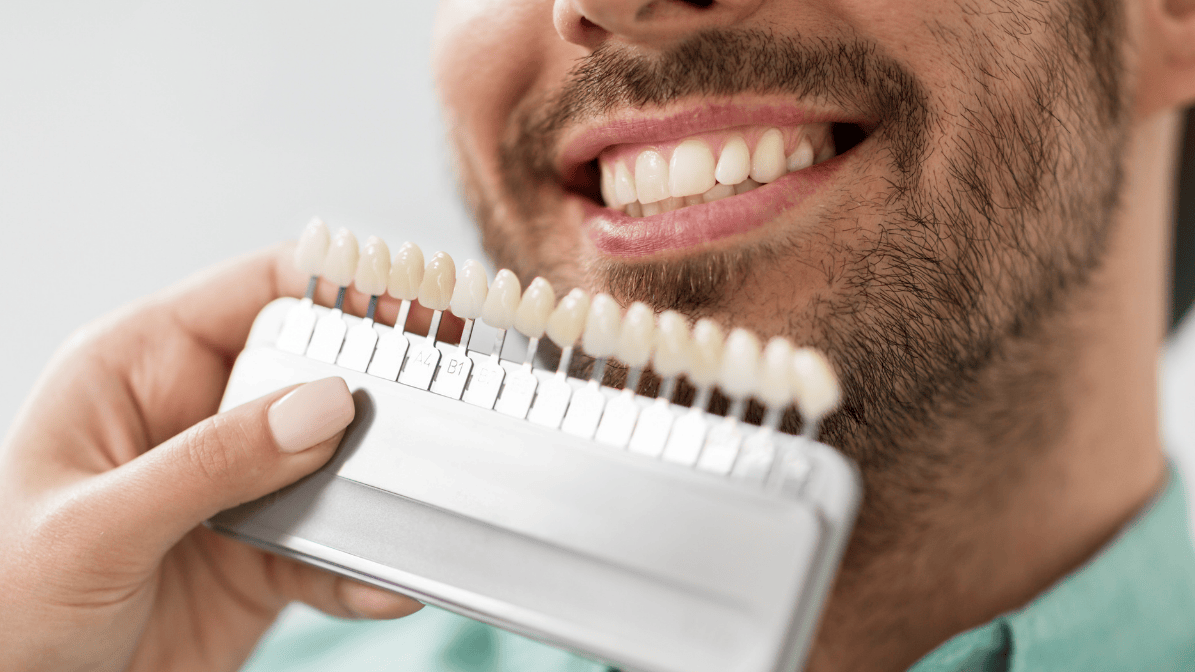

Dreaming of a more natural-looking smile? Dental veneers are one of the most popular cosmetic dental procedures available today—and for good reason.
Whether you’re dealing with chipped teeth, discoloration, or small gaps, veneers offer a minimally invasive way to achieve a healthy smile without extensive orthodontics or surgery. But before diving into your smile makeover, it’s essential to understand the cost of veneers and what factors influence the final price.
Desiree Yazdan, a cosmetic dentist in Newport Beach, California, recently told Forbes Health that “Veneers can be expensive—considering that they are not typically covered by insurance—costing anywhere from $1,500 to $5,000 per tooth depending on where the practice is located, what the associated laboratory costs will be and the amount of work that will be required.”
In this guide, we’ll walk you through what affects the cost of veneers, the differences between types of veneers available, what to expect during veneer placement, and more.
If you’re considering this popular cosmetic treatment, here’s everything you need to know before stepping into the dental office.
What Are Veneers and Why Do People Get Them?
Veneers are thin, custom-made shells designed to cover the front surface of your teeth. Made from either porcelain or composite resin, veneers can dramatically improve the appearance of your smile by correcting chips, discoloration, uneven spacing, or worn enamel.
They’re bonded directly to your natural tooth enamel, creating a more natural appearance while preserving most of the tooth structure underneath.
This form of cosmetic dentistry is popular among people looking for a long-lasting way to enhance their smile without the need for braces or crowns. For some, it’s about fixing a single problematic tooth. For others, it’s part of a full smile makeover, especially when several veneers are used to reshape and brighten the front teeth.
Unlike temporary fixes like teeth whitening or bonding, veneers offer a durable solution that, with proper care, can last many years. They’re also incredibly versatile. Whether you’re dealing with the effects of staining beverages, minor misalignment, or enamel erosion, veneers provide a tailored approach that balances aesthetics with function.
People turn to veneers not just for cosmetic improvements, but also for emotional confidence. A brighter, more even smile can change how you feel about yourself in photos, in meetings, and everyday interactions. And with advances in materials and techniques, today’s veneers blend seamlessly with your natural teeth, delivering results that look and feel authentic.
Veneers Cost Explained: What Influences the Price?
If you’ve ever Googled “veneers cost,” you’ve probably seen a wide range of numbers, and for good reason. The cost of veneers can vary significantly based on several factors, including the materials used, the number of veneers needed, and the dental practice you choose.
Materials Matter: Porcelain vs. Composite Veneers
When it comes to the cost of veneers, one of the most significant factors is the material used. Veneers are typically made from either porcelain or composite resin, each with its own benefits, lifespan, and price point. Choosing the right material isn’t just about appearance; it also affects durability, maintenance, and long-term value.
Let’s take a closer look at the two main options:
Porcelain Veneers
Porcelain veneers are the premium choice in cosmetic dentistry. They’re custom-crafted in a dental lab to match the shape, color, and contour of your natural teeth, offering a more natural appearance that blends seamlessly into your smile. Porcelain is highly resistant to staining beverages like coffee or wine and is known for its strength and longevity, lasting 10 to 15 years or more with proper care.
Porcelain veneers typically require more preparation, including the removal of a thin layer of natural tooth enamel. Because of the artistry and durability involved, porcelain veneers are more expensive than composite options. However, for many patients, the investment pays off in terms of aesthetics and lifespan.
Composite Resin Veneers
Composite resin veneers are a more affordable alternative, often used for minor cosmetic improvements or as a short- to medium-term solution. These veneers are usually applied in a single visit and sculpted directly onto the tooth using tooth-colored resin. While they can provide excellent results, composite veneers are more prone to staining and typically last around 5 to 7 years.
Composite veneers require less enamel removal than porcelain and are easier to repair if chipped. They’re a practical option for patients who want to improve their smile without committing to the higher cost of porcelain, especially when budget is a key consideration.
Number of Veneers Required
Are you enhancing a single tooth or going for a complete smile transformation? The number of veneers you need will directly influence the total cost.
A single veneer might range from a few hundred to a couple thousand dollars. Multiply that by 6, 8, or even 12 teeth, and you’re looking at a much more significant investment. Your cosmetic dentist will help you determine how many veneers are necessary to achieve a balanced, symmetrical result.
Location and Provider Expertise
Where you live and who you choose to perform the procedure can also affect how much you’ll pay. Cosmetic dentistry prices in high-cost areas, like Beverly Hills, tend to be higher than in smaller towns or less expensive cities. Additionally, experienced dentists with specialized training or a reputation for high-end cosmetic work may charge more, but the results often justify the premium.
Choosing the right provider is critical. Look for someone with a strong track record in cosmetic dental procedures, a portfolio of previous patients, and transparent pricing. The right dentist can help you avoid costly redos or adjustments.
Additional Procedures and Prep Work
Your final cost may include more than just the veneers themselves. Preparatory dental care, such as treating gum disease, addressing tooth decay, or scheduling cleanings before veneer placement, can add to the overall cost.
Some patients also need temporary veneers during the waiting period between tooth prep and final placement. Your dentist may recommend teeth whitening before treatment to ensure your natural teeth match the brightness of the new veneers, especially if you’re only covering a few teeth.
What to Expect During the Veneers Process
Getting veneers isn’t a one-size-fits-all procedure. Depending on your dental health, the number of veneers you need, and the type of material used, your treatment plan may include multiple steps across a few appointments.
Here’s what you can generally expect during the veneer placement process:
Initial Consultation and Smile Design
It all starts with a consultation at your dental office. During this visit, your cosmetic dentist will evaluate your oral health, discuss your goals, and determine whether you’re a good candidate for veneers.
Issues like tooth decay or gum disease may need to be addressed first with preparatory dental care. Your dentist may also take digital scans, impressions, or photographs to begin planning your custom veneers.
For patients considering a full mouth transformation, your provider may use mockups or digital previews to help you visualize your potential results before any work begins.
Tooth Preparation and Temporary Veneers
Once you’re ready to move forward, the next step involves preparing your teeth for veneer placement. This usually means removing a thin layer of natural tooth enamel to make room for the veneers, especially with porcelain.
In most cases, your dentist will place temporary veneers to protect your teeth and give you a preview of your new smile while your final restorations are being made. Temporary veneers are typically worn for a week or two, allowing you to provide feedback on shape, length, or color before the permanent veneers are bonded.
Placement Day: Bonding the Veneers
When your custom veneers are ready, you’ll return for the final placement. After confirming fit and appearance, your dentist will use a strong dental adhesive to permanently bond the veneers to the front surface of your teeth.
Some providers may use local anesthesia to ensure comfort during this step, though it’s typically a painless process.
Once bonded, the veneers are polished and adjusted to blend seamlessly with your natural teeth, giving you a refreshed, balanced, and more natural-looking smile.
Aftercare and Maintenance
After placement, your dentist will walk you through how to care for your veneers. This includes using a soft-bristle toothbrush, nonabrasive toothpaste, and avoiding staining beverages like coffee, tea, and red wine, especially if you’ve chosen composite veneers.
Regular cleanings, checkups, and proper dental hygiene are essential to maintaining the look and function of your new smile.
With proper care, composite veneers can last several years, while porcelain can remain in place for a decade or more.
Veneers vs. Other Cosmetic Dental Treatments
Veneers are often considered the gold standard in cosmetic dentistry, but they’re not the only option. Depending on your goals, budget, and dental health, other cosmetic dental procedures may also be worth considering.
Here’s how veneers compare to some common alternatives:
Veneers vs. Dental Bonding
Dental bonding is a quick and cost-effective procedure that uses composite resin to fix minor imperfections, such as chips or small gaps.
While bonding is less expensive than veneers and can often be completed in a single visit, it’s also less durable and more prone to staining over time.
Veneers, by contrast, offer a longer-lasting and more polished result, especially when made from porcelain. They’re ideal for more comprehensive smile transformations where uniformity, durability, and a natural-looking finish matter most.
Veneers vs. Teeth Whitening
If your primary concern is tooth color, professional teeth whitening may be a simpler and less invasive solution. It’s faster, more affordable, and doesn’t require altering your natural tooth enamel.
However, whitening can’t fix shape, size, or alignment issues, and the results typically fade over time.
Veneers not only whiten your smile but also reshape and realign your teeth for a more uniform appearance. They’re especially helpful when whitening alone won’t deliver the result you’re looking for.
Veneers vs. Dental Crowns
While veneers cover only the front surface of the tooth, dental crowns encase the entire structure. Crowns are typically used when a tooth is significantly weakened or damaged due to decay, fractures, or root canal treatment.
Veneers are a more conservative option when the underlying tooth is still strong and healthy. They preserve more of your natural structure and are usually recommended for cosmetic improvements rather than restorative needs.
Choosing the Right Cosmetic Dentist
The outcome of your veneers doesn’t just depend on the material you choose—it hinges on the skill and experience of the dentist placing them. Choosing the right cosmetic dentist can make all the difference between a subtle, natural-looking smile and one that feels “off” in shape, shade, or comfort.
Start by looking for a provider who specializes in cosmetic dental procedures. Dentists with specialized training in aesthetic dentistry are more likely to have a refined eye for symmetry, proportion, and color matching, especially when designing multiple veneers or a full mouth transformation.
Before committing, ask to see before-and-after photos of previous patients. These can give you a sense of the dentist’s style and quality of work. It’s also worth reading patient reviews and testimonials, particularly for cases similar to yours.
During your consultation, don’t hesitate to ask about the dentist’s veneer placement process, lab partnerships (which can affect both timing and quality), and the type of follow-up care they provide. Some practices offer warranties or maintenance plans that add value over time.
FAQs About Veneers Cost and Treatment
Still have questions about veneers or trying to figure out whether they’re the right cosmetic treatment for you? Below, we’ve answered some of the most common questions patients ask about veneers cost, materials, maintenance, and more.
How many veneers do I need?
That depends on your smile goals. Some patients only need a single veneer to fix a chipped tooth, while others opt for 6–10 veneers for a complete smile makeover. Your dentist will help determine how many veneers are required to achieve balance and symmetry.
Does insurance cover the cost of veneers?
Most dental insurance plans consider veneers a cosmetic treatment and do not offer full coverage. However, there may be partial coverage if the veneers are part of a restorative treatment plan—for example, in cases involving tooth damage. Check with your insurance provider to understand your benefits.
Do veneers damage natural teeth?
When done properly, veneer placement is a safe and minimally invasive procedure. Porcelain and composite veneers typically require removing a thin layer of natural tooth enamel to ensure a proper fit. An experienced dentist will preserve as much of your natural tooth structure as possible.
Are veneers permanent?
Porcelain veneers are considered irreversible because of the enamel removal, but they can last 10–15 years or more with proper care. Composite veneers may need replacement sooner. Either way, maintaining good oral health and proper dental hygiene is key to longevity.
Can veneers stain or chip?
Porcelain veneers are highly stain-resistant and durable. Composite resin veneers are more susceptible to staining and may chip more easily, especially if exposed to hard foods or staining beverages. Using a soft-bristle toothbrush, nonabrasive toothpaste, and avoiding excessive pressure when brushing can help preserve your veneers.
And finally, make sure your dentist discusses the full treatment plan with you, including costs, materials, the number of veneers, and any additional procedures you may need. Transparency is key to getting results you’re happy with and avoiding surprises when it comes to the final cost.
Where to Get Veneers and Start Your Smile Makeover
Whether you’re correcting a single imperfection or transforming your entire smile, veneers offer a personalized path to long-lasting results.
The right cosmetic dentist will guide you through every step, from material selection and treatment planning to veneer placement and long-term care.
If you’re ready to take the next step, the Sunbit dental directory can help you find experienced dentists in your area who specialize in cosmetic dental procedures.