






Summary
To ensure your safety and avoid expensive repairs, pay attention to signs of worn brake pads. Key warnings include screeching or grinding noises, a vibrating or soft pedal, longer stopping distances, or an illuminated dashboard brake light. Addressing these symptoms with a prompt professional inspection can prevent a simple pad swap from escalating into costly rotor damage.
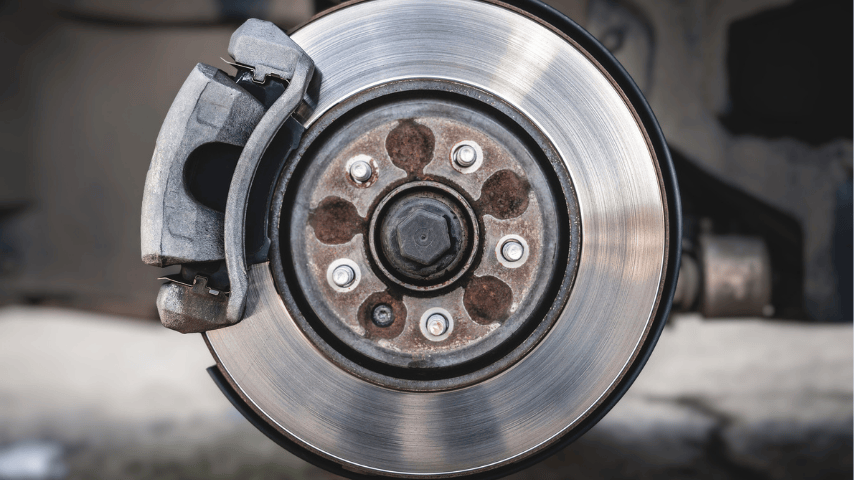
Your brakes are the single most important safety system in your car, yet they’re easy to overlook until the pedal feels mushy or the wheels start to screech.
What begins as a minor annoyance can turn into a major expense: a routine brake-pad swap might cost around $300, but driving past the warning signs can damage the rotors and push the bill well above $1,000.
Staying ahead of routine maintenance, whether it’s estimating your next car battery replacement cost or budgeting for new brake pads, keeps you from getting blindsided at the repair shop.
Spotting trouble early doesn’t just protect your wallet; it can shave precious feet off your stopping distance and quite literally save lives.
The seven unmistakable warning signs below will help you catch brake pad problems before the damage multiplies.
1. Screeching or Squealing Noises
When you press the brake pedal and hear a sharp, fingernail-on-chalkboard squeal, your car is sending its first red flag.
Brake pads come with a built-in warning system: a slender metal tab that brushes against the rotor once the friction material wears thin, creating that unmistakable noise.
This intentional design gives you a heads-up to act quickly.
Brief squeaks after heavy rain or a car wash are normal. But persistent shrieking at every stop usually means your pad surface has dropped below the safe ¼-inch mark.
Keep driving with that squeal, and the metal backing plate will soon dig into the rotor. What starts as a simple pad replacement becomes a costly rotor replacement.
Treat the squeal as your cue to schedule an inspection right away. Catching the issue now can save you hundreds of dollars and keep your next panic stop drama-free.
2. Grinding Noise When Braking
That harsh, metallic grinding you hear the moment you press the brake pedal isn’t background road noise; it’s the sound of your brake pad’s friction material having worn completely away.
With the pad worn down to its steel backing plate, every stop forces bare metal directly against the rotor. This metal-on-metal contact not only produces an unnerving scrape but also actively shaves away the rotor surface, overheats the entire system, and can quickly damage the calipers as well.
The result is a sudden drop in stopping power and a repair bill that can balloon far beyond the cost of simple pad replacement.
If you hear grinding, keep trips short, avoid high speeds, and arrange professional service immediately. Delaying even a few miles risks warped rotors, seized calipers, and the kind of unpredictable braking that can turn everyday driving into a hazard.
3. Longer Stopping Distance
When you hit the brake pedal and feel the car glide farther than it used to, your brake pads are sending a clear distress signal.
As the friction material thins or becomes glazed and glass-smooth due to heat, the pads lose their grip on the rotors. High heat reduces the pads’ ability to generate friction, further diminishing stopping power and forcing you to press harder for the same results.
If you find yourself calculating extra room at traffic lights or needing to “pump” the pedal on downhill stretches, those extra feet aren’t in your head; they’re physics in action.
Confirm your suspicion with a safe, low-speed test: in an empty parking lot, brake from about 20 mph and note how far the car rolls before coming to a complete stop. Any noticeable increase over past performance warrants a professional inspection.
Longer stopping distances not only lengthen everyday commutes; in an emergency, they can be the difference between a near miss and a collision. Address the issue promptly. An increased stopping distance is a red flag that you shouldn’t ignore.
4. Vibration or Pulsation in Pedal or Steering Wheel
Feel a rhythmic shake in the brake pedal, or even the steering wheel, each time you slow down? That pulsing sensation isn’t normal road feedback; it’s your braking system telling you something’s off.
When pads wear unevenly or rotors develop high and low spots, the rotor surface pushes back against the hydraulic system, creating that tell-tale vibration you feel underfoot. Think of it like driving over a washboard road. The uneven surface creates a bumpy ride.
This shudder is most noticeable when braking from higher speeds during everyday driving.
Don’t confuse it with ABS activation during emergency stops, which delivers a rapid, machine-gun-like pulse that feels completely different.
This symptom usually means both pad wear and rotor damage, so letting it linger can double your repair bill. The vibration often starts mild but gets progressively worse as the damage spreads.
Take note of the speed, pedal pressure, and road conditions when the vibration appears. These details help a technician pinpoint the root cause. Schedule an inspection promptly, as lingering vibration can snowball into warped rotors, caliper issues, and longer stopping distances.
5. Dashboard Brake Warning Light
That little red circle or the word “BRAKE” on your dashboard is your car’s built-in plea for attention.
Many late-model vehicles feature tiny electronic wear sensors inside the pads. Once the friction material thins past a safe point, the sensor completes a circuit, activating the dashboard light to alert you that the pads need service soon.
Because the same icon can also signal low brake fluid, ABS issues, or an engaged parking brake, refer to your owner’s manual to determine its meaning and treat any illumination as a priority.
Not every model includes pad-wear sensors. Older cars and some budget trims still rely on audible squeals instead. If your light does appear, heed it promptly; delaying just a few hundred miles can let thin pads chew into the rotors, multiplying repair costs.
High-end vehicles even display remaining pad life as a percentage, but whether you see numbers or a simple icon, booking a professional inspection when the light first appears is the smart move.
6. Visibly Thin Brake Pads (Less Than 1/4 Inch)
You don’t need fancy equipment to spot brake pad trouble. A simple visual check through your wheel spokes reveals everything you need to know about the condition of your brake pads.
Brake pads are the flat components pressed against the shiny rotor disc. When new, they’re roughly pencil-eraser thick. Once that friction material shrinks to less than ¼-inch (about 6 mm), you’re in the danger zone. Worn pads lose stopping power rapidly and can damage your rotors if ignored.
How to Check Your Brake Pads
Follow these steps to perform a quick visual inspection:
- Park on level ground and set the parking brake
- Turn your front wheels fully left or right to expose the brake components
- Shine a flashlight through the wheel openings to spot the outer pad
- Compare the pad thickness to that pencil-eraser benchmark
Remember, inner pads often wear faster than outer ones, so what you can see might not tell the whole story. The pad facing you through the wheel spokes is typically the outer one. The inner pad could be significantly thinner.
For a complete picture, consider rotating your tires or having a professional remove each wheel to check all pad surfaces. Look for more than just thickness: cracking, glazing, or uneven wear patterns signal deeper problems like sticking calipers or warped rotors that need professional attention.
This two-minute visual check today can save you from expensive rotor replacements tomorrow. Better to catch thin pads early than deal with the grinding metal-on-metal damage that follows.
7. Pulling, Soft, or Spongy Brake Pedal
Two distinct brake symptoms demand immediate attention: your car pulling to one side when braking, or a pedal that feels soft and spongy under your foot. Both signal serious safety concerns that go beyond simple pad wear.
When you hit the brakes and the car drifts toward one lane marker, you’re dealing with uneven braking force. This happens when one side of your car stops harder than the other, typically due to uneven brake pad wear or pad contamination.
Road oil or brake fluid can seep into the friction material, creating a thin or greasy surface that cannot effectively grab the rotor. Sometimes, the drift isn’t caused by the brakes at all, but by misaligned suspension components.
Being familiar with the average wheel alignment cost can help you decide if scheduling both services at once makes sense.
A pedal that sinks under your foot like a damp sponge points to problems in your hydraulic system. Air or moisture in the brake lines, overheated fluid, or a leak can all create this dangerous condition.
The bigger issue? Stopping distances become unpredictable, especially during panic stops when you need maximum braking power.
Contaminated or worn pads can’t be cleaned up; they need replacement. More importantly, the underlying hydraulic issue requires professional diagnosis before you return to the road. Don’t gamble with your safety when these symptoms appear.
What to Do If You Notice Any of These Signs
Even one red flag, whether it’s a faint squeal or a dashboard light, means your brake pads are already on borrowed time.
Acting quickly keeps the problem contained to inexpensive components; waiting too long risks metal-on-metal contact, which can destroy rotors and calipers, thereby multiplying repair costs and downtime.
If you hear grinding or feel severe vibration, reduce your driving speed immediately. Every extra mile in that condition accelerates damage.
Document what you’re experiencing. Jot down noise type, pedal feel, steering response, warning lights, and when they occur. Bringing these details to the shop helps technicians pinpoint the issue more quickly.
Schedule a comprehensive brake inspection even if the symptom seems minor. A thorough check extends beyond pad thickness to assess the health of rotors, calipers, and brake fluid.
Light squealing might afford you a week or two; grinding demands same-day service.
Take Action on Your Brake Pad Health Today
Recognizing the signs of worn-out brake pads and addressing them early is essential for both your safety and your wallet.
Timely maintenance not only ensures your vehicle stops reliably but also prevents more expensive repairs down the line. Whether it’s a simple squeak or a more concerning vibration, don’t let small issues turn into major problems.
If you’ve noticed any of the warning signs mentioned, don’t wait. A professional inspection can catch issues early, saving you from costly rotor replacements and enhancing your vehicle’s safety.
To find trusted auto repair experts near you, explore Sunbit’s auto repair directory. Taking action now ensures smoother and safer driving in the long term.