






Summary
Avoid costly repairs and keep your car’s AC running smoothly with a few simple maintenance tips. Regularly running the AC, even in winter, and keeping your cabin air filter clean are key to preventing major issues. The article also recommends a seasonal maintenance schedule and offers troubleshooting advice for common problems like weak airflow and strange odors. By addressing warning signs early and knowing when to consult a professional, you can ensure your AC performs efficiently all year.
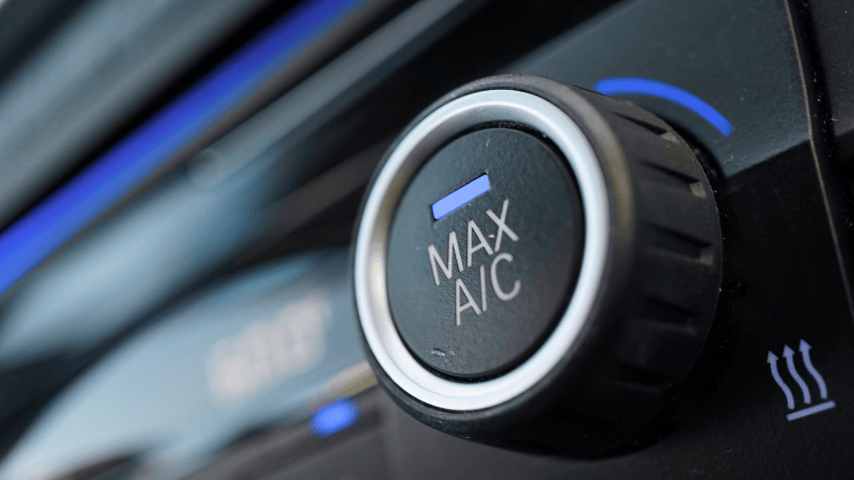
Nothing ruins a summer drive faster than lukewarm air sputtering from the vents while the dashboard thermometer creeps past 90°F.
A failing compressor or hidden refrigerant leak can drive repair bills well north of $1,000, yet most of the upkeep that prevents those nightmares costs little more than a few minutes of your time.
Check out this guide to discover quick fixes you can apply today, a simple maintenance routine that protects expensive components, seasonal checkpoints that stop small problems from snowballing into major repairs, and more, to help you make smart, confident decisions about your car’s cooling health and avoid those costly surprise repairs.
Routine Care for Maintaining Peak AC Performance
Keeping your car’s AC in top shape doesn’t require much effort, but a little routine maintenance goes a long way.
These simple steps will help ensure that your system runs efficiently and lasts longer, saving you both time and money in the long run.
1. Run the AC Weekly, Even in Winter
To keep your AC system lubricated and prevent potential issues, it’s important to run the AC for several minutes each week, even in the colder months.
The compressor requires refrigerant oil for proper lubrication, and allowing the system to sit idle can cause the compressor shaft seal to dry out, leading to leaks.
While some seals are unaffected by inactivity, regular use helps keep everything in working order. In winter, use the defrost mode, which automatically engages the compressor in most cars. Regular circulation of the system components can extend the lifespan of your AC.
2. Use the Coldest Setting and Adjust Fan Speed
To cool the cabin more efficiently, keep your car’s AC on the coldest setting and adjust the fan speed to control the temperature.
This method avoids the wasteful reheat cycle that occurs when you set the temperature to a middle range, such as 72°F.
Keeping the AC on the coldest setting chills the cabin faster and uses less fuel, as it doesn’t need to constantly reheat the air.
3. Don’t Cool the Car While Idling
Running the AC while the car is idling is an inefficient use of energy. An idling engine doesn’t provide enough airflow over the condenser, causing your
AC to work harder and consume more fuel. Instead, drive with the windows down for 30 seconds to let the trapped heat escape, then close them and turn on the AC.
In extreme heat, you can crack the windows and use a low fan speed until you resume driving. This method preserves both fuel and cooling performance.
4. Keep Cabin and Vents Clean
Dust and debris can clog the vents and obstruct airflow, thereby reducing the effectiveness of your air conditioning. Regularly vacuum the dashboard and use a soft brush to clean the vents.
Clear leaves and debris from the intake grille located below the windshield, and use compressed air to clean out stubborn dirt.
A clean duct system improves airflow and prevents unpleasant odors from building up.
5. Replace or Clean the Cabin Air Filter
A clogged cabin air filter reduces airflow and can lead to musty smells. Signs that your filter needs attention include weak airflow, a damp odor, and slower cooling.
Replace the filter every 12,000–15,000 miles, or sooner if you drive on dusty roads. To replace it, open the glove box, release the side tabs, and slide out the old filter. Be sure to note the airflow direction when inserting the new filter.
For added benefit, consider upgrading to an activated-carbon filter, which helps control odors.
This simple $15 DIY task delivers great value for your car’s AC performance.
6. Shield the System from Heat and Sun
To give your AC a break and reduce fuel consumption, try to park in shaded areas or use reflective windshield shades to keep the cabin cool.
Tinted side windows (within legal limits) and slightly cracked rear windows help hot air escape, reducing the load on your AC system.
A cooler cabin means the compressor doesn’t have to work as hard, resulting in shorter cycles and lower fuel consumption.
Plus, window tint protects your upholstery from sun damage and reduces long-term strain on the cooling system.
Seasonal and Preventive Maintenance Schedule
Maintaining your car’s AC system throughout the year can prevent costly repairs and ensure it works effectively when you need it most.
By incorporating seasonal checks into your regular maintenance routine, you’ll help keep every component in top shape, allowing your AC to perform reliably year-round.
Spring: Wake-Up Call Before the Heat Hits
As the weather warms up, now is the time to ensure your AC system is ready for the heat. A quick spring inspection can prevent any surprises when the temperatures rise.
- Check Drive Belts: Look for any cracks or slack in the belts. These can cause issues if left unchecked.
- Verify Refrigerant Pressure: Have a technician check the refrigerant level and inspect for leaks to ensure optimal performance.
- Clean the Condenser: Rinse off any pollen, dirt, or road grit from the condenser fins to improve heat dissipation. Even a thin layer of debris can cause the system to overheat under load.
Summer: Guard Against Heat Stress
In summer, the heat puts extra strain on your AC system, increasing the risk of failure. High ambient temperatures make it critical to monitor your system’s performance.
- Check the Cooling Fan: Make sure the radiator-mounted cooling fan is spinning at full speed to prevent overheating.
- Measure Vent Output: You should see air coming out at a temperature 30–40°F lower than the outside temperature. If the cooling output is lower, there may be an issue.
- Clear the Evaporator Drain Tube: Check for clogs in the evaporator drain tube. Clogs can cause condensate to leak onto carpets, promoting the growth of mold and mildew.
Fall: Dry Out and Inspect
As temperatures fluctuate in the fall, moisture can accumulate in the system, potentially leading to mold growth. Taking a few preventive steps can help ensure your AC stays in good shape.
- Run the Defrost: Run the defrost mode (which engages the AC) for 10 minutes each month to keep the evaporator core dry and prevent mold.
- Look for Leaks: During an oil change, check for oily residue, which could indicate slow refrigerant leaks. Identifying these leaks now can prevent breakdowns in the middle of summer.
Winter: Keep Seals Supple
Cold weather often means your AC system goes unused, which can cause rubber seals to dry out and crack. To keep your system in good working order during the winter months:
- Run the AC Monthly: Even in winter, run the AC for a few minutes once a month to lubricate seals and maintain system flexibility.
- Clear the Intake Grilles: Ensure that leaves or debris don’t block the windshield intake grilles to keep the airflow clear.
- Watch for Musty Odors: A musty smell can be an early indicator of moisture or bacterial growth. Take action promptly to avoid potential mold issues.
Troubleshooting Common AC Problems
AC issues can disrupt your driving comfort, but many common problems can be easily diagnosed and resolved with a few simple steps. Here’s how to troubleshoot some of the most frequent AC problems and restore a cool, comfortable ride.
Weak Airflow or Warm Air
If the air coming from your dashboard vents feels more like a hair dryer than a cool breeze, there are a few things to check first.
- Check the Cabin Filter: A clogged cabin filter is the most common cause of weak airflow. Replacing it is quick and easy, and often restores strong airflow, helping your AC work more efficiently.
- Test the Blower Motor: Run the fan at every speed and listen for any changes. A fluctuating or erratic blower motor may indicate a failing motor or resistor.
- Inspect the Condenser: Look through the grille for any debris, like bugs or leaves, blocking the condenser. These obstructions can prevent heat exchange, causing your system to underperform.
- Low Refrigerant: If the air is still warm after these checks, your system may be low on refrigerant. Low refrigerant can also risk compressor damage, as it carries lubricant to the system. Have a certified shop pressure-test your system and repair any leaks, rather than topping it off with DIY refrigerant.
- Seek Help if: Vent temperatures stay above 60°F after five minutes or the compressor clutch doesn’t engage. These are signs that the system needs professional attention.
Strange Odors
If you smell sour or musty air every time you turn on the AC, it’s likely that mold or bacteria have built up on the evaporator core. Here’s how to address mild odors:
- Replace the Cabin Filter: A dirty filter can contribute to bad smells. Replacing it may help improve air quality.
- Run the AC on Fresh-Air Mode: Set the fan to full speed to flush out any light microbial growth from the system.
- Use Evaporator Foam Cleaner: Spray foam cleaner through the drain tube to eliminate lingering bacteria or mold.
Warning Signs That Need Immediate Attention:
- Sweet or Syrupy Smell: This could indicate a leaking heater core.
- Raw Fuel Odor: This smell could stem from the engine bay, indicating a fuel leak.
- Lingering Chemical Smell: After basic cleaning, if a chemical odor persists, turn the system off immediately and seek professional diagnosis to avoid respiratory issues or costly interior damage.
Noisy Operation
Your AC should operate quietly, but strange sounds are often a sign of trouble.
- Clicking Noises: Rhythmic clicking sounds can indicate a sticking relay or actuator.
- Squealing Noises: High-pitched squeals often come from slipping belts or failing compressor bearings.
- Rattling Sounds: Debris caught in the blower wheel can cause rattling noises.
How to Inspect for Noise:
- Check the Blower Fan: Remove the cabin filter and shine a flashlight into the fan cage. Look for any debris larger than dust that could be causing the noise.
- Stop Using the System if: You hear grinding or metal-on-metal sounds, or if the noise intensifies when the compressor cycles. This could be a sign of a failing compressor, which if caught early, can save you hundreds in additional repairs.
Foggy Windows in AC Mode
Your AC system should help reduce humidity and prevent foggy windows. If your windows fog up while the AC is on, it’s likely a drainage issue.
- Drain Blockage: Condensation from the AC should drain through a small rubber tube under the car. If this tube is clogged with road grime or mildew, moisture can back up into the system and fog the windows.
How to Fix the Drain Blockage:
- Locate the Drain: Slide under the passenger side, locate the short, downward-facing nipple where the drain exits, and gently insert a plastic zip-tie to clear the blockage.
- Dry the Ducts: After clearing the drain, run the fan on high with fresh air selected to dry out the ducts.
Important Note: Avoid using metal tools to poke at the condenser fins, as they can bend easily and reduce system efficiency.
Call a professional If:
- The fog returns quickly after clearing the drain.
- You notice a coolant smell, which could indicate a leaking heater core.
- The refrigerant is severely low, or you suspect another internal issue that requires professional diagnosis.
When to Call a Pro
While a DIY approach can handle many minor AC issues, some symptoms indicate the need for professional intervention.
Attempting to fix these problems yourself can often exacerbate them, leading to higher repair costs in the future. Here are some typical signs that you may need a professional to look at it:
- Recurring Refrigerant Drops: If your refrigerant levels drop repeatedly and need a top-off every few weeks, you likely have a hidden leak. Store-bought sealants won’t resolve this issue; the leak must be properly diagnosed and repaired by a professional.
- Compressor Clutch Issues: The compressor clutch should engage smoothly when the system is turned on. If it doesn’t click on at all or cycles rapidly, barely cooling the cabin, it’s time to have a professional examine your system. These issues may indicate a more serious underlying problem.
- Metal Shavings in the Sight Glass: If you spot fine, glitter-like metal shavings in the sight glass or on service port caps, this signals internal component wear. This is a serious issue that requires immediate professional attention to prevent further damage to the system.
- Inadequate Vent Temperatures: After five minutes of operation at maximum cold and the engine running at 1,500 rpm, the vent temperatures should drop well below 60°F. If they don’t, the system is not functioning properly and needs to be inspected by a professional.
- New Sounds from the Compressor: Any grinding, squealing, or rattling noises coming from the compressor area should be addressed immediately. These sounds often indicate imminent failure, and continuing to run the system can turn a moderate repair into a much more costly one.
Catching issues early can prevent more expensive repairs later.
A professional mechanic can accurately diagnose the problem, saving you time, money, and potential damage to the system. Ignoring warning signs and continuing to operate a malfunctioning system can lead to more extensive (and expensive) repairs.
FAQ: Myths and Mistakes to Avoid in AC Maintenance
Here are some common myths and mistakes about AC maintenance that can lead to higher costs in the long run.
1. Is using a DIY refrigerant can a quick fix for my AC system?
No, DIY refrigerant cans are not a reliable solution. While they may seem like a simple fix, most cans contain stop-leak additives that can clog your compressor and expansion valve.
This can mask the real issue and lead to expensive repairs down the road. If your system is low on refrigerant, it’s best to have a professional perform a proper pressure test and recharge the system to prevent further damage.
2. Is it normal to top off refrigerant every year?
No, topping off refrigerant annually is not normal maintenance. A healthy AC system should be sealed, and if refrigerant is escaping, there’s likely a leak.
Simply recharging the system without fixing the leak will result in repeated costs and further damage. Any refrigerant loss should be treated as a red flag, signaling the need for a professional leak repair.
3. Will setting the fan to max speed cool my car faster than lowering the temperature?
Not necessarily. Your car’s AC system already cools air to around 38°F. Any warmer air comes from reheating that chilled air, which wastes both fuel and cooling power.
To cool the cabin more efficiently, set the temperature to the lowest mark and adjust the fan speed to find the right level of comfort. This approach is more energy-efficient than constantly cranking the fan to maximum.
4. Can I wait to do maintenance until something breaks?
Postponing maintenance until something breaks is a costly mistake. Regular yearly inspections—including checking belts, refrigerant pressure, and scanning for leaks—are significantly less expensive than replacing a failed compressor.
Preventive maintenance not only saves you money in the long run, but it also ensures that you’re not stuck with a breakdown during the hottest months, when repairs can be both more expensive and harder to schedule.
Keep Your Car’s AC Running Smoothly and Avoid Costly Repairs
Proper care and regular maintenance of your car’s AC system are essential for ensuring it performs efficiently and lasts longer.
Early detection of issues like refrigerant leaks, compressor failures, or clogged filters can save you from costly, surprise breakdowns during the summer heat.
If you’re unsure about the condition of your AC system or need help with a more complex issue, it’s best to consult a professional.
Using Sunbit’s auto repair directory, you can find trusted mechanics in your area. With the added benefit of pay-over-time financing options, you can easily manage any necessary repairs without straining your budget.