



Summary
Car vibrations can be systematically diagnosed by paying attention to when they occur, where they are felt, and what conditions make them worse. A shake at highway speeds often points to unbalanced tires, while vibration during braking typically signals warped rotors. If the car shakes while idling, the cause is likely engine-related, such as misfiring spark plugs or worn motor mounts. By identifying these clues, you can pinpoint the source of the problem, from simple tire maintenance to more complex drivetrain or suspension issues, and address it before it becomes a costly or unsafe repair.
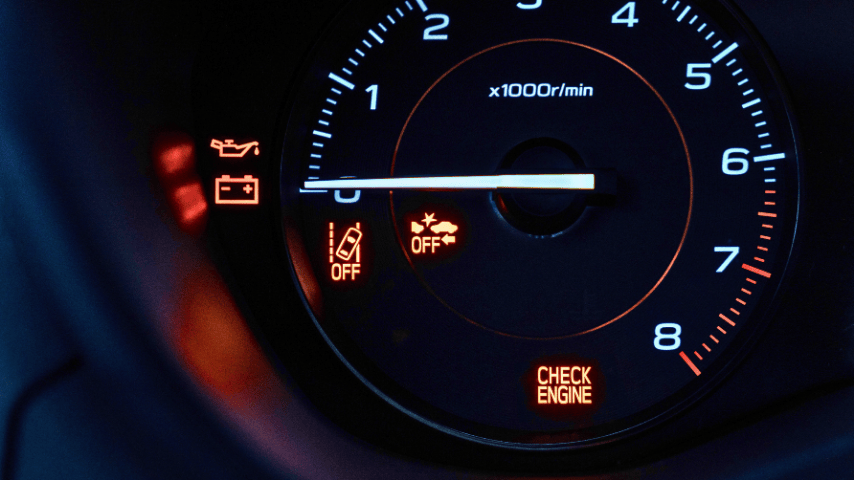
That sudden shimmy through the steering wheel sends your mind racing: Is a tire about to blow? Will the brakes fail? How much will this cost? Car vibrations trigger real anxiety because they can signal anything from a loose wheel nut to a failing drivetrain.
Here’s the good news: most shakes leave a trail of clues you can follow, and with a systematic approach, you can often diagnose and even fix them before they turn into wallet-draining repairs or safety hazards.
This guide will show you how to translate your feelings into concrete action steps. By the end, you’ll not only understand why your vehicle shakes but also have a clear plan to restore a smooth, safe ride while keeping more money in your pocket.
How to Pinpoint the Source
Your car keeps telling the same story through its vibrations. The key is learning to decode these mechanical messages systematically, documenting the details so you or a mechanic can solve the problem quickly.
Start with three essential questions:
When does the shake happen?
Speed-specific: If the vibration only appears between 50-70 mph, it’s often due to wheel imbalance. At these speeds, centrifugal forces amplify even tiny weight differences in the tires.
Low-speed rumble: A rumbling sound or feeling when pulling away from a stop, especially with a faint click, might point to worn CV joints.
Constant shudder at idle: If your car shakes while idling, the culprit is often related to engine performance, such as misfiring spark plugs, motor mounts, or vacuum leaks.
Where do you feel it?
Steering wheel: Vibration in the steering wheel is typically related to problems with tires, wheels, brakes, or the front suspension.
Seat or floor: If the vibration is felt through the seat or floor, it often points to issues in the driveline, such as U-joints or CV joints, or rear wheel problems.
Entire cabin shaking at a stoplight: If the whole cabin shakes while at a standstill, engine-related issues are likely the cause.
What conditions make it worse?
Warped rotors: If the vibration only happens when you brake, the rotors are likely warped. This issue becomes more apparent under braking due to uneven surfaces on the rotor.
Vibration on rough roads: If the vibration disappears on newly paved roads but returns on bumpy surfaces, suspension-related problems are often the culprit.
Scenario-Based Troubleshooting
When your car starts shaking, the source of the issue isn’t always obvious. However, paying close attention to when the vibration occurs, where you feel it, and how it changes under different driving conditions can provide vital clues.
Let’s explore some of the most common vibration scenarios and what they reveal about your car’s health.
Highway-Speed Shake
Symptom: Vibration in the steering wheel that shows up between 50-70 mph.
Diagnosis: This is most likely caused by unbalanced wheels or damaged tires. At these speeds, even slight imbalances are magnified.
Next Steps: Swap the front and rear tires to see if the vibration moves. If the shake moves from the steering wheel to the seat, the issue is likely in the tires. If the vibration doesn’t shift, further inspection of the suspension or drivetrain is necessary.
Shake During Acceleration
Symptom: Vibration that increases as you accelerate.
Diagnosis: This usually points to driveline issues, such as worn U-joints, CV joints, or possible engine misfires.
Next Steps: Start by checking the U-joints and CV joints. If the problem persists, use an OBD scanner to check for engine misfire codes that could indicate issues like worn spark plugs.
Shake While Braking
Symptom: Steering wheel pulses under light brake pedal pressure.
Diagnosis: This typically occurs due to warped rotors, which cause uneven braking surfaces, triggering a pulsing sensation.
Next Steps: Inspect the rotors and pads for wear. You may need to resurface the rotors or replace them if they are too warped. Make sure the calipers are functioning properly as well.
Shake at Idle or Low Speed
Symptom: The car shakes when stopped at a light or in neutral but smooths out when driving.
Diagnosis: This is often caused by engine-related issues such as misfiring spark plugs, motor mounts, or vacuum leaks.
Next Steps: Check the spark plugs and motor mounts for signs of wear. If a motor mount is collapsed, it will cause the engine to rock excessively, causing noticeable shaking. You can also use an OBD scanner to check for any misfire codes.
Shake When Turning
Symptom: The car shakes or judders only when turning the wheel, especially when parking.
Diagnosis: The most likely cause is a failing CV joint. The protective boot on the joint tears, letting grease escape and causing metal-to-metal grinding.
Next Steps: Lift the front wheel and wiggle it at 3 and 9 o’clock. If there’s any play in the wheel, combined with torn boots, the CV joint needs replacement. Also, check for low power steering fluid, which can cause similar shaking.
Preventive Maintenance and Money-Saving Tips
Regular preventive maintenance is your best defense against costly vibration repairs. By investing a small amount upfront, you can avoid more expensive issues down the road.
Consistent, simple checks prevent minor issues from evolving into major problems.
Tire Maintenance
Your tires are often the root of car vibrations, so staying on top of their condition is crucial.
- Check Tire Pressure Monthly: Keeping tires properly inflated ensures even tread wear and prevents vibration caused by under-inflation.
- Rotate Tires Every 5,000–7,000 Miles: Regular rotations keep tread wear even and help identify any imbalances early, preventing issues like the classic 60-mph steering wheel shimmy.
- Balance Tires with Each Rotation: Tire balancing is essential to maintain smooth driving and reduce vibration.
- Yearly Alignment: A four-wheel alignment every year or after hitting a pothole ensures your vehicle’s suspension is working properly and prevents uneven tire wear and steering pulls.
Don’t Ignore Your Brakes
Brake maintenance is crucial for preventing vibrations that can affect your safety and your wallet. A simple brake check during tire rotations can save you from costly repairs down the line.
- Check Brake Pads and Rotors: Worn-out brake pads and warped rotors can lead to brake vibration. Replacing pads early is much cheaper than resurfacing or replacing rotors later.
- Routine Inspections: Don’t wait for your brakes to vibrate under pressure. Regular brake checks keep your system healthy and prevent expensive repairs.
Keep Your Engine Running Smooth
A smooth-running engine contributes significantly to vibration-free driving. Simple maintenance can prevent issues that mimic tire or wheel problems.
- Swap Spark Plugs and Air Filters: Follow your vehicle’s manufacturer recommendations for replacing spark plugs and air filters (typically every 25,000 to 100,000 miles for spark plugs, and 12,000 to 15,000 miles for air filters). Worn-out plugs can cause misfires, leading to engine vibration that may be misinterpreted as a wheel issue.
- Test Your Battery: Check your battery every fall to avoid surprises during the first cold snap. A weak battery can cause engine performance issues that trigger vibrations.
- Clean Airflow: Fresh filters ensure proper combustion and can prevent rough idle vibrations, but they don’t directly protect fuel injectors.
DIY Fixes for the Big Four Culprits
Tires and Wheels
Your car’s tires and wheels play a crucial role in delivering a smooth driving experience. Start by checking your tire pressure using a gauge to meet the manufacturer’s specifications—this helps avoid uneven tread wear and potential sidewall bulges. Keep an eye out for changes in tire performance, especially at speeds above or below 55 mph; such symptoms often indicate wheel imbalance.
If you suspect an imbalance, consider getting a tire rotation every 5,000–7,000 miles. Swapping front and rear tires can help determine if tire position is the issue: if the vibration moves to the seat, the problem is likely in the tires. Use a torque wrench to confirm all lug nuts are secured according to manufacturer specifications.
Visual inspections can reveal bent rims or wheels, especially after hitting potholes or curbs, which cause detectable high-speed vibrations. Look for any egg-shaped tire profile that signals broken belts or examine tread wear patterns for signs of alignment issues.
Brakes
Brake-related vibrations, notably a steering wheel pulse during braking, often arise from warped rotors. To diagnose, visually inspect the rotors and brake pads for wear and signs of unevenness. A micrometer can measure rotor thickness, helping decide whether resurfacing or replacement is necessary.
Resurfacing costs typically range from $20 to $60 per rotor, while new rotors usually range from $30 to $100 each. Key brake-related causes include stuck calipers or worn pads, which can heat up excessively and cause vibrations. Regular brake inspections can catch problems early, and always prioritize safety when working with brake components.
Drivetrain and Suspension
Vibrations due to drivetrain and suspension issues typically stem from worn U-joints, CV joints, or bushings. To check for drivetrain problems, assess the driveshaft for play—anything over 0.012-inch typically indicates potential replacement needs, according to most industry standards. Failing CV joints often produce a telltale clicking during turns, accompanied by vibrations.
Your car’s suspension also contributes significantly to vehicle stability, so inspect all components regularly to identify worn or loose parts. Low-speed rumbles are more commonly associated with angle-related driveline issues (such as improper driveshaft angles or worn U-joints) rather than first-order driveline problems. Address these symptoms promptly to avoid more severe and costly repairs.
Engine-Related Causes
A rough idle or dashboard shake can signal bad motor mounts or engine misfires. Begin your engine check by inspecting the spark plugs; removing and examining one wire at a time can help pinpoint misfiring cylinders. An OBD code reader is a valuable tool for diagnosing engine issues, providing insights that guide necessary repairs.
Additionally, check for vacuum leaks, which can disrupt engine performance and cause vibrations. Inspect motor mounts regularly; when they fail, they don’t absorb engine vibrations effectively, leading to noticeable shaking. Motor mount replacement costs typically range from $200 to $600 for parts alone on most vehicles, while a DIY time estimate of 1–2 hours may apply in simple, accessible cases.
Mistakes to Avoid
To make your DIY repairs more effective and avoid further complications, here are the top mistakes to steer clear of:
- Over-tightening Lug Nuts: Using a breaker bar instead of a torque wrench can distort rotors and wheels, making vibration issues worse. Always tighten lug nuts to factory specifications using a torque wrench.
- Ignoring the Check-Engine Light: A flashing check-engine light usually indicates misfires, which can cause the whole car to shake. Ignoring it may lead to expensive damage, like a catalytic converter failure.
- Assuming New Tires Fix Everything: New tires can’t mask other issues like bent rims, failing wheel bearings, or suspension problems. Always check the underlying cause of vibration.
- Skipping Tire Pressure Checks: Under-inflated tires cause uneven wear and vibration, but it only takes 30 seconds to check with a basic gauge. Make it a habit to check monthly.
- Misreading Symptoms: A rough idle can feel like a wheel issue. Track symptoms carefully to avoid misdiagnosing the problem and wasting money on unnecessary parts.
When to Call a Mechanic
Even the best DIY game has limits. When a shake crosses that line, you’re safer, and often cheaper in the long run, handing the keys to a professional.
Critical Warning Signs
- Rapidly Intensifying Vibration: Vibration that goes from a mild buzz to a dashboard-rattling shake in a single drive indicates something is failing fast.
- Metallic Clunks, Grinding, or Clicking: Noises that match wheel speed or acceleration may point to bearing failure or loose components that could lead to a wheel separating.
- Visible Tire Damage: Bulges, cracks, or exposed cords create a blowout risk that should be addressed by a professional, not DIY.
- Brake Pedal Pulsing or Steering Wheel Jittering: These symptoms while slowing down signal rotor issues that require immediate attention to prevent brake failure.
- Dashboard Warning Lights: When paired with vibration, these lights indicate potential engine or transmission problems that need professional diagnostic tools to properly address.
- Improper Repair Setup: Attempting repairs without a safe workspace, jack stands, or the necessary specialty tools can result in dangerous situations.
Diagnose and Fix Car Vibrations for a Smoother, Safer Ride
Don’t wait for vibrations to escalate. Timely action can save you time, money, and avoid more extensive damage down the road.
Whether you’re dealing with a simple tire imbalance or a more complex drivetrain or engine issue, addressing the problem early ensures a safer and smoother ride.
If you’re unsure how to fix the problem yourself, or if you need expert help, turn to a trusted mechanic.
Use Sunbit’s auto repair directory to find reliable, professional mechanics near you. With convenient pay-over-time financing options, you can get the repairs you need without breaking the bank.